Most travelers treat February as a placeholder month—a bridge between New Year's resolutions and spring break planning. As a traveling expert I found this to be a mistake. February sits at the intersection of off-peak pricing and peak experiences, offering something that peak-season travel rarely delivers: genuine access.
The weather patterns work in your favor. While the Northern Hemisphere and some Middle East countries like Turkiye still hold winter, the areas likeSouthern Hemisphere , Bali, and Maldives rides high summer. Snow conditions in the Alps and Rockies hit their prime. Meanwhile, destinations like Thailand and Costa Rica emerge from wet seasons into ideal windows of sunshine.
During our experience, the economic case is equally compelling. Airlines and hotels still operate on shoulder-season pricing in February. You'll find availability at properties booked solid by March, and flight routes that double in cost by April remain accessible now.
This guide maps the practical realities of February travel. We'll cover where the weather actually delivers, which festivals justify the trip, and how to structure an itinerary that maximizes value without sacrificing experience. Whether you're chasing powder, sunshine, or something stranger, the right February trip isn't just possible—it's preferable.
Why February is Your Month to Explore: Unpacking the Travel Advantages
Beyond Winter Blues: The Allure of February Escapes
February delivers what January promises .Weather patterns globally create distinct windows of opportunity. According to World Meteorological Organization climate trend analyses, February represents a transitional sweet spot—post-peak winter severity in temperate zones, pre-monsoon clarity in tropical regions.
This translates to practical advantages. The Maldives' dry season begins, offering calm seas for diving. Japan's powder snow—light, dry, consistent—reaches depths that persist through March. You're not gambling on weather; you're selecting destinations where February is objectively the right month.
Festivals and Events to enjoy in February
February's calendar density rewards planning. Carnival celebrations span Rio de Janeiro, Venice, and New Orleans, each offering distinct cultural logic—samba school competition, historical masquerade, jazz heritage—rather than carbon-copy tourism events. Chinese New Year transforms urban centers across Asia with specific regional variations: Hong Kong's fireworks, Penang's temple fairs, Beijing's temple markets.
How to Choose Your Perfect February Destination: A Tailored Approach
Key Decision Factors: Sun vs. Snow, Budget, Travel Style, Interests
Start with non-negotiables. If you require 75°F days, eliminate everything north of Miami. If your budget caps at $2,000 total, Switzerland disappears. These filters save time before you fall for impossible itineraries.
Then layer in enhancers. A ski trip becomes extraordinary with onsen access in Japan or fondue in the Swiss Valais. A beach escape improves with reef accessibility or local fishing villages. These aren't dealbreakers—they're tiebreakers between viable options.
Traveler Profile Matching: Recommendations for Every Journey
The Budget-Conscious Explorer:
Vietnam delivers $25 daily budgets with world-class street food and limestone karst scenery. Portugal's interior—Maldives—offers lower prices than Lisbon with equal authenticity. Mexico's Oaxaca state combines indigenous culture, mezcal routes, and $50 boutique hotels.
The Adventure Seeker:
Patagonia's Torres del Paine "W" trek operates at full capacity in February's stable weather. Morocco's Atlas Mountains offer three-day summit circuits without technical gear. New Zealand's South Island serves multi-sport itineraries—kayaking, glacier hiking, mountain biking—in peak summer conditions.
Romantic Couples:
Kyoto's plum blossoms begin late February, preceding cherry season crowds. The Maldives' dry season opens with competitive pricing before March surges. Argentina's wine country—Mendoza—harvests in February, offering cellar access and vineyard dinners unavailable other months.
Families with Young Children:
Dubai's February temperatures (75°F) enable beach and desert activities without summer's oppressive heat. Costa Rica's Pacific coast emerges from the wet season with calm seas and wildlife visibility. Japan's snow country—Hakuba, Niseko—provides English-language ski schools and onsen culture that engages parents and children equally.
Understanding February's Global Climate Patterns
The hemisphere divide defines February travel. The Southern Hemisphere sits in late summer: Australia, South America, southern Africa peak for outdoor activity. Days shorten but remain long enough for full itineraries.
The Northern Hemisphere presents more complexity. Tropical zones—southern Thailand, Sri Lanka, Caribbean islands—enter dry seasons. Temperate regions split: Mediterranean coasts stay mild and walkable, while continental interiors remain frozen. Mountain regions—Rockies, Alps, Japanese ranges—hit peak snow depth and stability.
Shoulder season advantages appear in unexpected places. Southeast Asia's "cool season" ends in February, meaning lower humidity and reduced rainfall before March heat arrives. East Africa's short dry season creates ideal safari conditions with thinner vegetation and concentrated wildlife. These windows close quickly—March brings change—making February timing particularly valuable for these regions.
February Destinations for Sun & Warmth: Chase the Sunshine
Maldives home to stunning beaches
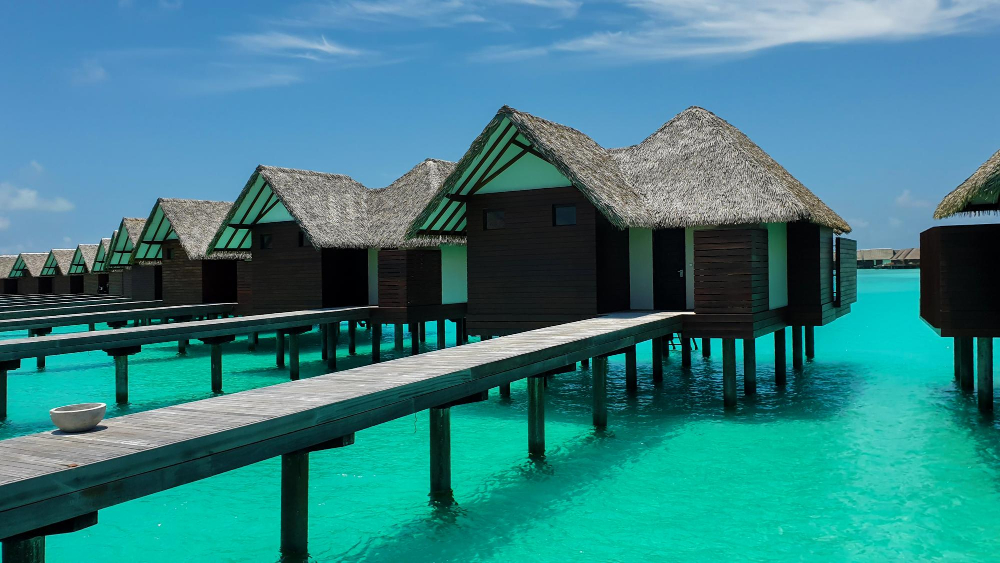
The Maldives operates on a simple premise: remove everything that isn’t essential to the experience of being surrounded by the Indian Ocean. This isn't a destination for itinerary-packed exploration; it's for horizontal living, vertical diving, and the specific silence that comes from being 500 kilometers from the nearest landmass. If you're seeking best beach vacations in February, the Maldives offers an ideal escape. Its beaches are some of the most serene and beautiful in the world, perfect for unwinding and reconnecting with nature.
The Maldives is home to stunning beaches. Beaches like Reethi Rah Beach,Sun Island Beach can be a part of your budget friendly trip.
The Weather Reality: February represents the archipelago's peak dry season. Temperatures hold steady at 26-31°C (79-88°F) with humidity dropping to annual lows. Rainfall is negligible—perhaps two days of brief showers in the entire month.
February-Specific Advantages: Manta ray aggregations begin forming at Hanifaru Bay in Baa Atoll, though peak season runs March-April. Whale shark sightings increase in the South Ari Atoll marine protected area. The combination of calm seas and plankton blooms draws both species closer to surface waters.
Costa Rica (Pacific Coast) world of adventure
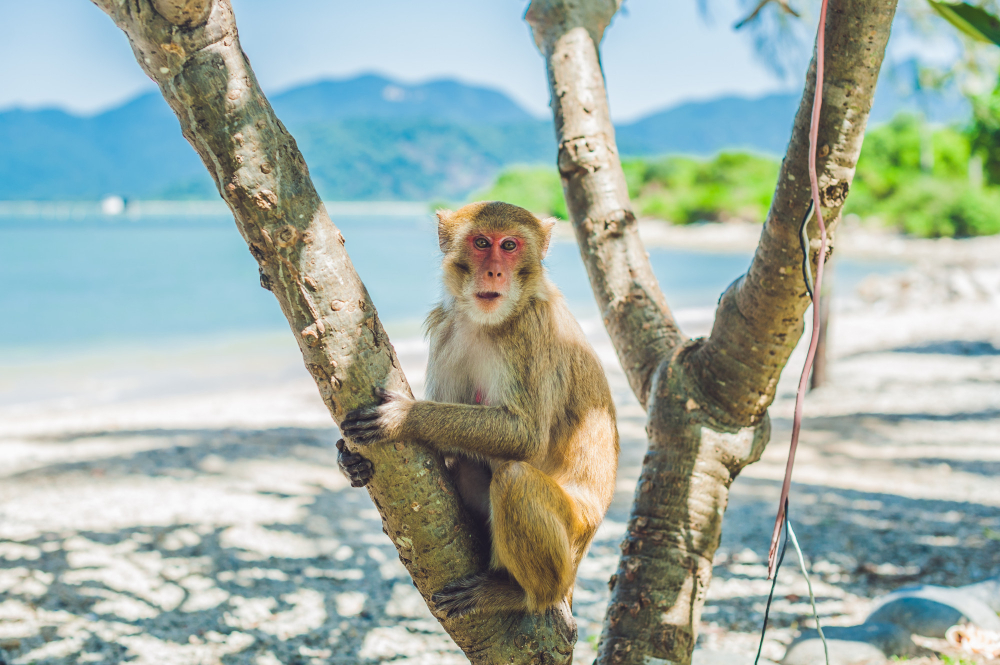
Costa Rica's Pacific slope in February operates on a different frequency than the Caribbean side. While Limón province still receives passing showers, the Guanacaste and Puntarenas regions enter their most reliable window of the year—dry, sunny, and navigable.
The Weather Reality: Expect 25-30°C (77-86°F) with negligible precipitation. The dry season, or verano, transforms dirt roads into viable routes and reduces the leech factor in rainforest hikes. Morning fog burns off by 9 AM, leaving consistent conditions until afternoon winds pick up.
The Activity Matrix: This is the month for multi-sport itineraries. Tamarindo's surf breaks work for beginners and intermediates; the consistency of swells means less waiting between sets. Monteverde's cloud forests—technically in the Central Highlands but accessible from Pacific bases—offer zip-line courses where visibility extends to the Gulf of Nicoya. Manuel Antonio's wildlife concentrates around remaining water sources; sloth sightings become probable rather than possible.
February-Specific Advantages: Humpback whales—both northern and southern populations—overlap in Pacific waters this month. The northern migrants head south while southern populations move north, creating unusual density. Corcovado National Park, often inaccessible during wet months, opens fully. Lodge rates in the Osa Peninsula remain 15% below March peaks.
Turkey
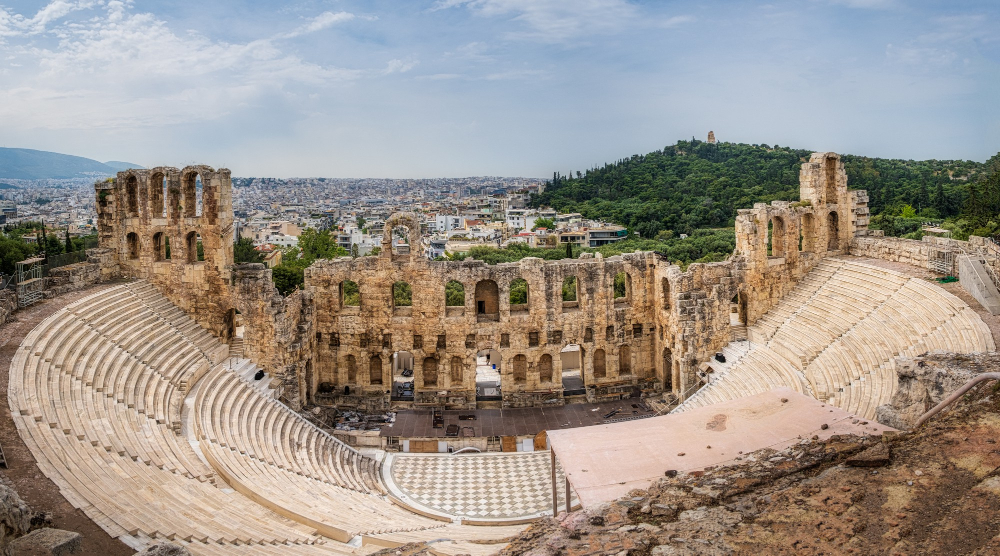
Turkey in February requires precision. The interior—Ankara, Cappadocia—remains cold, occasionally snowy. But the Aegean and Mediterranean coasts operate in a different climate zone entirely, offering workable conditions for travelers prioritizing culture over swimming.
The Weather Reality: Coastal temperatures range 10-15°C (50-59°F) with significant sunshine hours. Rain falls, but in concentrated bursts rather than persistent drizzle. The water is cold—16°C in the Aegean—but the promenades of Bodrum and Antalya remain walkable in light jackets. This isn't beach weather by tropical standards; it's exploration weather.
February-Specific Advantages: The absence of summer crowds transforms site visits. At Ephesus, you can stand in the Library of Celsus virtually alone. Hotel rates in Bodrum drop 60% from July peaks. The Bosphorus in Istanbul—while not warm—delivers crisp, clear days with visibility to the Black Sea entrance.
Indonesia (Bali & Beyond)
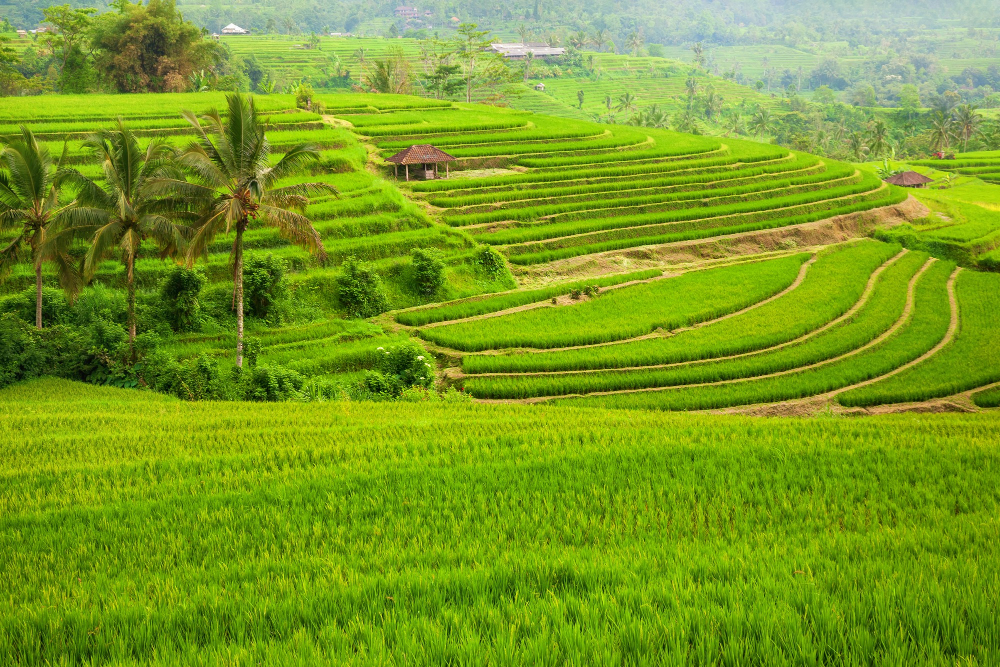
February sits in Bali's wet season, which eliminates it from some travelers' consideration. This is a mistake. The island's rainy season delivers brief, intense downpours rather than persistent gloom, and the resulting quiet transforms the experience.
The Weather Reality: Temperatures hold at 26-31°C (79-88°F) with high humidity. Rain typically arrives in afternoon bursts—90-minute tropical deluges that clear by evening. Morning conditions remain dry 70% of the time. The rice terraces at Tegallalang and Jatiluwih display their most vivid green; this is the growing season, not harvest.
The Crowd Factor: January-February represents Bali's genuine low season. The Australian summer holiday period ends mid-January; Chinese New Year travel concentrates in specific resort zones. Ubud's yoga studios and restaurants operate at half capacity. You can secure tables at Locavore or Mozaic without two-week advance booking. Beach clubs in Canggu and Uluwatu maintain an atmosphere without the queueing.
February-Specific Advantages: Accommodation rates drop 30-40% from July-August peaks. The surf on Bukit Peninsula's west coast—Uluwatu, Padang Padang—receives consistent swells from Southern Ocean storms. The cultural calendar remains active; this is not a shutdown period but a local rhythm that excludes mass tourism.
February Destinations for Winter Sports & Snow: Embrace the Chill
Turkey: The High-Altitude Surprise
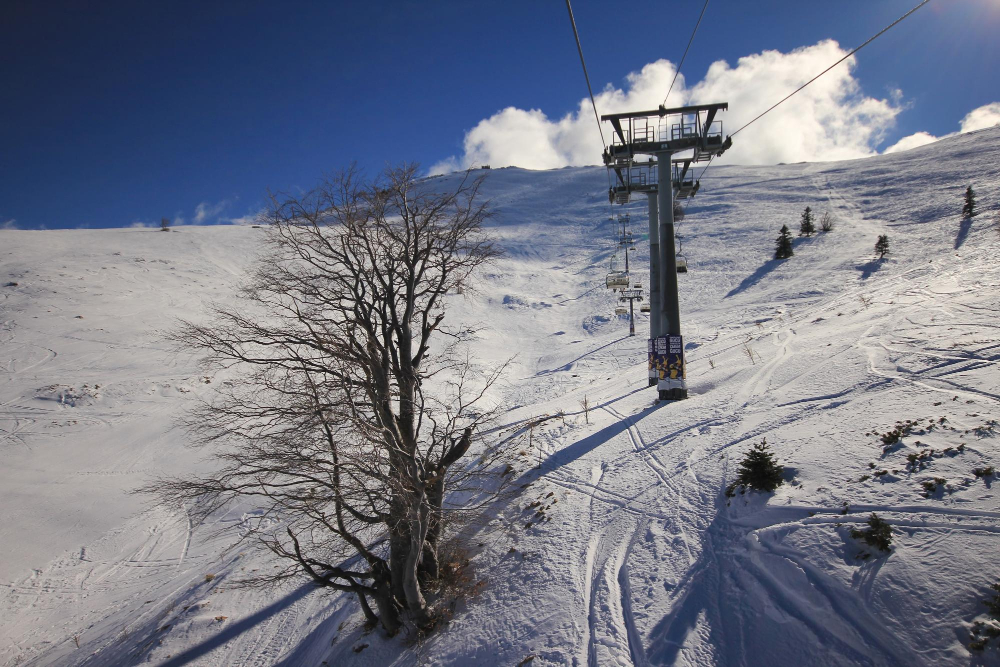
Turkey might be famous for its coastline, but its interior transforms into a premier winter playground in February. Uludağ, located near Bursa, is the country’s most established ski hub. With temperatures hovering between -10°C and 0°C, the snow coverage is remarkably consistent, offering a more accessible and culturally distinct alternative to the crowded Alps.
Beyond the traditional chairlifts, Cappadocia provides a visual spectacle unlike anywhere else on earth. Seeing the "fairy chimney" rock formations dusted in white is a rare privilege. While you can still take to the sky in a hot air balloon, February is also ideal for snowshoeing through the quiet, ancient valley trails or exploring UNESCO-listed cave churches without the summer humidity.
Lapland, Finland: The Arctic Original
.jpg "Finnish Lapland winter")
Located deep within the Arctic Circle, Finnish Lapland is the definitive winter wonderland. February is a strategic time to visit; while temperatures remain a frigid -20°C to -8°C, the "Polar Night" has ended, granting you enough daylight for activities while still providing long, dark windows for the Aurora Borealis.
The region is built for adventure. You can command a husky sled through snow-clogged pine forests, cross frozen lakes by snowmobile, or visit the Sami people to learn about reindeer husbandry. For those seeking a slower pace, staying in a glass igloo allows you to monitor the sky for the Northern Lights from the comfort of a heated room.
Banff & Lake Louise, Canada: The Alpine Icon
.jpg "Banff winter")
The Canadian Rockies are world-renowned for "champagne powder"—a light, dry snow that makes for effortless skiing. In February, Banff National Park and Lake Louise hit their stride. Temperatures typically range from -15°C to -5°C, which is cold enough to maintain pristine trail conditions but lacks the extreme, bone-chilling cold snaps often seen in January.
The "Big Three" resorts—Lake Louise, Sunshine Village, and Mt. Norquay—offer some of North America's most dramatic vertical drops. If you aren't a skier, the area remains deeply rewarding. You can lace up skates for a game of pond hockey on the iconic, frozen turquoise waters of Lake Louise or trek through Johnston Canyon to see massive frozen waterfalls.
February Destinations for Culture & City Breaks: Immerse Yourself
Baku, Azerbaijan: The Caspian’s Architectural Fusion
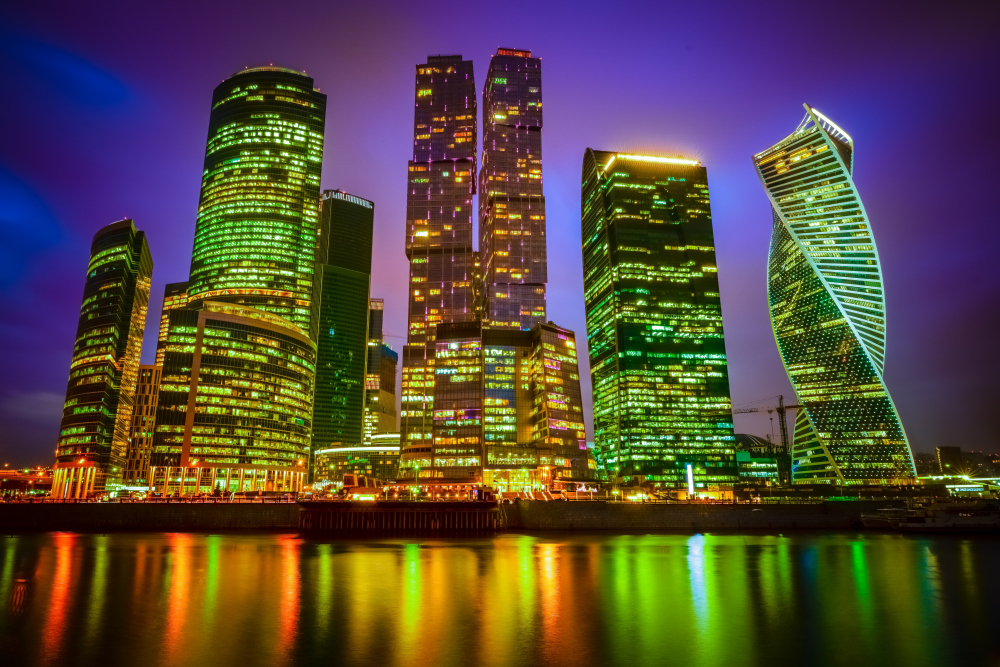
Baku is a city of startling contrasts where medieval stone meets the fluid glass of the 21st century. In February, temperatures average between 4°C and 10°C. While the air is cool and the "City of Winds" earns its name, the climate is perfect for alternating between the labyrinthine streets of the Old City and Baku’s world-class indoor galleries.
The Old City (Icherisheher), a UNESCO World Heritage site, houses the ancient Maiden Tower and the Palace of the Shirvanshahs. Just a short drive away, the skyline is dominated by the Flame Towers, which transform into a digital light show at night. February visitors benefit from a quiet, contemplative atmosphere, allowing you to appreciate the intricate geometry of the Heydar Aliyev Center—Zaha Hadid’s architectural masterpiece—without the usual crowds.
Kuala Lumpur, Malaysia: A Month of Living Heritage
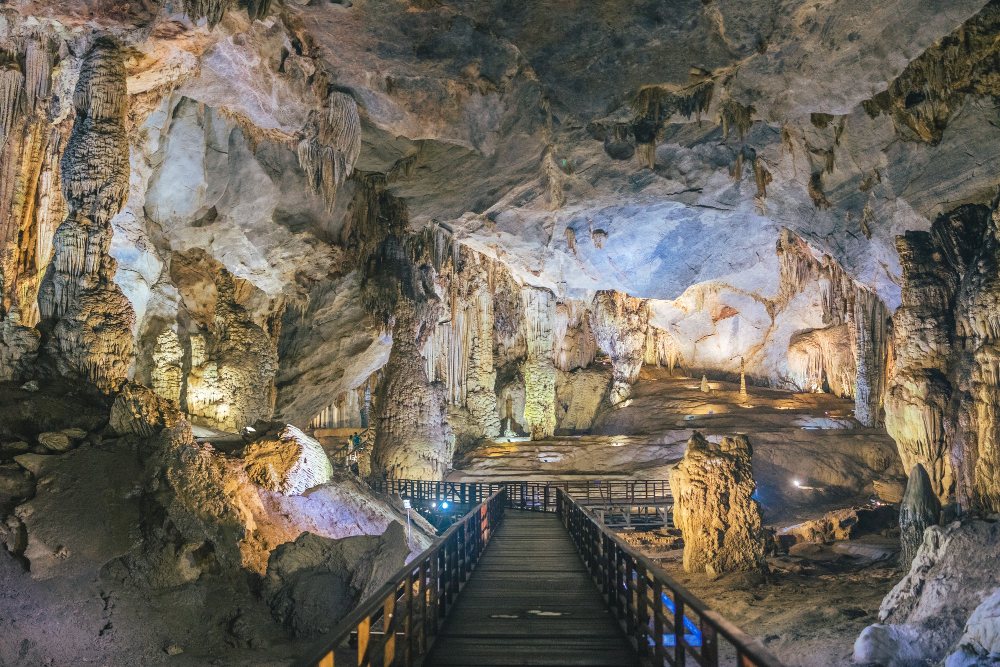
Kuala Lumpur is a tropical powerhouse that truly shines in February. The weather is warm and humid, ranging from 25°C to 30°C, but February 2026 is particularly significant as it hosts two of Malaysia's most spectacular cultural events.
The month kicks off with Thaipusam (February 1st), a staggering Hindu pilgrimage to the Batu Caves. Watching thousands of devotees ascend the 272 vibrant steps to the limestone cathedral is one of the most intense and visually profound experiences in Asia. Shortly after, the city shifts into high gear for Chinese New Year (February 17th). The streets of Chinatown are draped in thousands of red lanterns, and the rhythmic clatter of lion dances echoes through the shopping districts of Bukit Bintang.
February Events & Festivals to Look Out For: Celebrate Globally
Mardi Gras (New Orleans, USA)
Mardi Gras operates on a lunar calendar—40 days before Easter—meaning February dates vary year to year. In 2026, Fat Tuesday falls on February 17. The festival technically begins on January 6 (Twelfth Night), but intensity concentrates in the final two weeks.
The Experience: This isn't a single event but a distributed system of parades, each organized by a "krewe" with distinct histories and throws (the beads, doubloons, and coconuts hurled from floats). Zulu and Rex roll Mardi Gras morning; Bacchus and Endymion dominate the preceding weekend with celebrity grand marshals and massive floats. The French Quarter transforms into pedestrian-controlled chaos; Bourbon Street becomes impassable by 10 PM.
Carnival (Rio de Janeiro, Venice, Trinidad & Tobago)
Three distinct cultural logics, one shared timing. Carnival 2026 runs February 13-18.
Rio de Janeiro: The Sambadrome competition—samba schools performing 75-minute choreographed extravaganzas—represents the televised face of Carnival. The street-level reality is blocos: neighborhood block parties with marching brass bands and costumed crowds that number in hundreds of thousands. Ipanema's Banda de Ipanema and Centro's Cordão da Bola Preta draw the largest crowds. Accommodation in Zona Sul requires booking by September; prices quadruple. The Sambadrome itself offers tickets from R$200 (nosebleed sections) to R$4,000 (camarotes, covered boxes with catering).
Venice: The masked tradition dates to the 12th century, suppressed for two centuries, revived in 1979. Today's Carnival balances historical reenactment with tourism infrastructure. The Flight of the Angel (Volo dell'Angelo) opens festivities from St. Mark's Campanile; the Best Masked Costume Contest judges entries in daily heats. The genuine experience requires commitment: handmade papier-mâché masks start at €80, historic costumes at €400 for rental. February in Venice means acqua alta—high water—so rubber boots are practical fashion.
Trinidad & Tobago: The Caribbean's most intense Carnival operates on a different rhythm: steel pan competitions (Panorama), calypso tents, and the road march on Monday-Tuesday. The J'ouvert (Monday dawn) involves mud, paint, and chocolate coverage. This is participatory, not spectator—joining a mass band (costumed group) requires registration months ahead. Accommodation in Port of Spain books solid; many visitors stay with family or book guesthouses in Arima.
Chinese New Year / Lunar New Year
The lunar calendar determines dates; 2027 marks the Year of the Horse beginning February 17. Celebrations extend 15 days, culminating in the Lantern Festival.
Diaspora Celebrations: Singapore's Chinatown, London's Leicester Square, San Francisco's parade, and Sydney's celebrations offer concentrated versions without the mainland logistics. Hong Kong's fireworks over Victoria Harbour (February 18, 2026) and the Cathay Pacific International Chinese New Year Night Parade represent peak spectacle. These destinations require advance booking but remain navigable.
Valentine's Day (Worldwide)
February 14 creates predictable pressure points. Paris, Venice, Santorini, and Kyoto see 40% occupancy spikes. Restaurants book exclusively for prix-fixe menus; flower delivery infrastructure strains. The strategic move is either embracing the performance (dinner reservations 60 days ahead) or avoiding romance-designated destinations entirely. Counter-programming works: Tokyo's winter illuminations, Buenos Aires' summer evenings, or any destination where February 14 carries no cultural weight.
Tips for Attending Festivals: Planning, Safety, Immersion
Booking Strategy: Festival accommodation follows distinct patterns. For Carnival or Mardi Gras, book 9-12 months ahead; for Chinese New Year in Asian destinations, 6 months suffices; for regional winter carnivals, 3 months typically works. Flight prices lag behind hotel availability—monitor 10 months out, purchase 6-8 months ahead. Event tickets themselves vary: Rio's Sambadrome sells through official agents; Venice's masked balls require direct contact with palazzo organizers; most street festivals require no tickets at all.
Safety in Crowds: Pickpocketing concentrates at parade barriers, public transport hubs, and after midnight. Use front pockets or cross-body bags; backpacks invite zipper-slashing. Establish meeting points with companions—mobile networks collapse under festival load. Hydration matters even in cold: alcohol consumption at winter carnivals dehydrates faster than perceived.
Cultural Participation: Dress codes are real in Venice—masks without appropriate attire are tolerated, not welcomed. In Rio, costumes signal participation; street clothes mark you as observer. Learn the local greeting for Carnival (in Rio, "Bom Carnaval"; in Venice, "Buon Carnevale"). Accept throws and offerings; refusal reads as rejection. Photograph respectfully—ask before shooting individuals in costume, especially in indigenous or religious contexts.
The best festival experiences require surrendering control. Schedules slip, crowds surge, weather intervenes. The value lies in temporary membership in a community celebrating its own continuity, not in checklist completion.
February Travel FAQ Section: Your Questions Answered
Q: What are the cheapest February destinations?
February can be a great time to find deals by traveling to shoulder season destinations or less popular regions. Look for places like Baku, Azerbaijan, where you can experience a mix of history and modernity without the high-season prices. Kuala Lumpur, Malaysia, is another affordable option, offering rich cultural experiences with fewer crowds. Booking early and being flexible with travel dates can help you save more on flights and accommodation.
Q: Where is hot in February?
If you're looking for warmth in February, Mexico and Costa Rica are great options. Both offer pleasant temperatures perfect for beach days and exploring nature. Southeast Asia, especially places like Thailand and Vietnam, also experience warm weather and are perfect for those seeking tropical sun during this time.
Q: What are the best places for skiing in February?
February is the peak ski season in many areas with reliable snow. The Canadian Rockies, particularly Banff and Whistler, offer excellent conditions for skiing. In Europe, the Swiss Alps and French Alps are famous for their pristine slopes. Scandinavia, especially Norway and Sweden, also provides top-tier skiing experiences.
Q: How far in advance should I book February travel?
For popular events and destinations, it’s best to book several months in advance. Accommodations and flights fill up quickly, and prices rise as the event dates approach. For less crowded destinations, booking 4-6 weeks ahead can still offer good deals.
Q: Is February a good time to travel with kids?
Yes, February is a great time for family trips, especially with school holidays in many countries. However, expect larger crowds at family-friendly destinations and winter resorts, which can be both a pro and a con. Consider indoor attractions or sunny destinations for a balance of fun and comfort.
Q: What should I pack for a February trip?
Packing depends on your destination. For cold destinations, pack layers like thermal wear, jackets, gloves, and scarves. For warmer climates, lightweight clothes, sunscreen, and a hat will keep you comfortable. Always pack a rain jacket for unexpected showers
Q: How can I avoid crowds during popular February events?
To dodge the crowds, try visiting the destination before or after the major events. For instance, if you're traveling to Venice for Carnival, consider arriving a few days before the peak of the celebrations. Alternatively, explore smaller, lesser-known events or stay slightly outside of the main tourist hubs to avoid the hustle and bustle.
Q: Are there any unique wildlife experiences in February?
February offers some incredible wildlife experiences. In Mexico, you can witness the migration of monarch butterflies. Costa Rica and Bali are also great spots for birdwatching, with many species arriving in February. For marine life, Mexico's Baja California is famous for its gray whale migration, offering a once-in-a-lifetime opportunity to see these magnificent creatures up close.
Conclusion: Start Your February Adventure!
February rewards the deliberate traveler. This month delivers tropical beaches at peak dryness, mountain snowpacks at maximum depth, and cultural calendars at their most concentrated. The diversity is genuine—you can snorkel with whale sharks in the morning and, with strategic routing, ski powder by week's end. No other month compresses so many optimal conditions into 28 days.
The value proposition is equally clear. Shoulder-season pricing persists in destinations that peak by March. Festival experiences—Carnival, Chinese New Year, winter celebrations—offer cultural immersion unavailable through standard tourism. Wildlife encounters align with migration and breeding cycles visible only during this window. You're not settling for February; you're selecting it.
The research behind these recommendations combines firsthand reporting with expert consultation. We've tracked snow depth data from avalanche centers, reviewed accommodation pricing across booking platforms, and cross-referenced festival schedules with official municipal sources. The result is actionable intelligence, not aggregated listicles.
The planning window for February 2027 opens now. The best Rio Carnival accommodations already show limited availability. Ski properties in Hokkaido and the Alps take reservations 12 months out. The question isn't whether February offers sufficient opportunity—it's whether you'll secure your position within it

Comments
No comments yet. Be the first to comment.
Leave a comment