Are you dreaming of a getaway but dreading peak-season crowds and high prices? March often feels like a transitional month, leaving travelers unsure whether it’s the right time to travel. The truth is, March is a hidden gem for savvy travelers. It’s the perfect shoulder season: winter chills fade, spring vibrancy emerges, and most destinations shed peak-season crowds. Imagine exploring iconic cities with fewer tourists, enjoying sun-drenched beaches before summer arrives, or skiing on late-season powder.
March travel also offers the benefit of authentic experiences. With fewer crowds, you can connect more deeply with local culture, explore attractions at your own pace, and enjoy better prices on flights and accommodations. This guide draws on years of travel experience, research from official tourism boards, meteorological data, and firsthand exploration to give you expert insights for planning a memorable March adventure. Whether you’re seeking cultural immersion, beach relaxation, or thrilling outdoor activities, this guide will help you unlock the magic of March travel.
Understanding March Weather Patterns
March is a transition month that offers a wide range of weather conditions depending on where you travel. In the Northern Hemisphere, winter gives way to spring, bringing mild temperatures, early blooms, and occasional rain or snow. Cities begin to awaken with spring events and festivals, making it an ideal time for cultural exploration. Meanwhile, the Southern Hemisphere enjoys the start of autumn, with pleasant temperatures, reduced humidity, and fewer crowds, creating opportunities for comfortable outdoor activities and scenic travel experiences.
Travelers often worry about unpredictable weather, asking questions like, “Will it be warm enough?” or “Is it still too cold?” In reality, March provides a diverse set of options: you can hit the slopes for late-season skiing, hike scenic trails, stroll through blossoming cities, or lounge on tropical beaches. To plan effectively, rely on up-to-date meteorological sources such as AccuWeather, NOAA, or local weather services, which provide historical climate data and accurate forecasts, helping you make informed choices for your March itinerary.
How to Choose Your Perfect March Destination
Selecting the right destination starts with understanding your travel style. Are you drawn to vibrant cultural experiences, tranquil beaches, adrenaline-filled adventures, budget-friendly exploration, or family-friendly activities? Matching your destination to your preferences ensures your March trip is enjoyable and stress-free. For example, culture seekers may gravitate toward cities with spring festivals and historic attractions, while beach lovers can seek out tropical climates with warm, sunny days. Adventure enthusiasts can explore national parks or wildlife hotspots, and families can prioritize destinations with safe, kid-friendly activities.
When deciding where to go, consider weather, budget, crowds, and activity type. Shoulder-season travel in March often allows for lower prices and fewer crowds, but some popular spring break destinations may still experience temporary spikes in visitors. Booking early and setting up price alerts for flights and accommodations can help secure the best deals. By taking these factors into account, you can plan a March adventure that aligns with your interests, travel style, and budget while taking advantage of the unique opportunities this month offers.
Top Destinations for March
March offers something for every type of traveler, from warm beaches to cultural city breaks, adventure destinations, and late-season snow sports. For beach lovers seeking warm weather without the summer rush, the Caribbean Islands, Southeast Asia, the Canary Islands, and Florida provide sun, sand, and relaxation. Cities like Rome, Kyoto, Seville, New Orleans, and Amsterdam offer mild temperatures ideal for walking tours, spring festivals, and cultural exploration.
Adventure travelers can enjoy Patagonia’s breathtaking landscapes, Costa Rica’s lush rainforests, US national parks like Zion and Bryce, or Iceland’s unique geothermal wonders and Northern Lights. Meanwhile, late-season snow sports enthusiasts will find excellent skiing and snowboarding opportunities in the European Alps, the US Rockies, and Hokkaido, Japan, with the added bonus of spring skiing events and smaller crowds.
A quick comparison helps highlight what each destination offers. Kyoto’s early cherry blossoms bloom in late March, offering serene temple visits and walking tours with moderate crowds, while Seville’s spring festivals and architectural charm provide cultural richness with fewer tourists. Maui combines warm beaches with nature experiences and whale watching, while Patagonia offers adventure and autumn landscapes. Cancun is lively during spring break, Dublin celebrates St. Patrick’s Day, and Iceland provides a quiet escape for those chasing the Northern Lights. Each destination offers a unique March experience tailored to weather, crowd levels, cost, and primary activities.
Detailed Destination Spotlights
Kyoto, Japan – Spring City Break & Culture
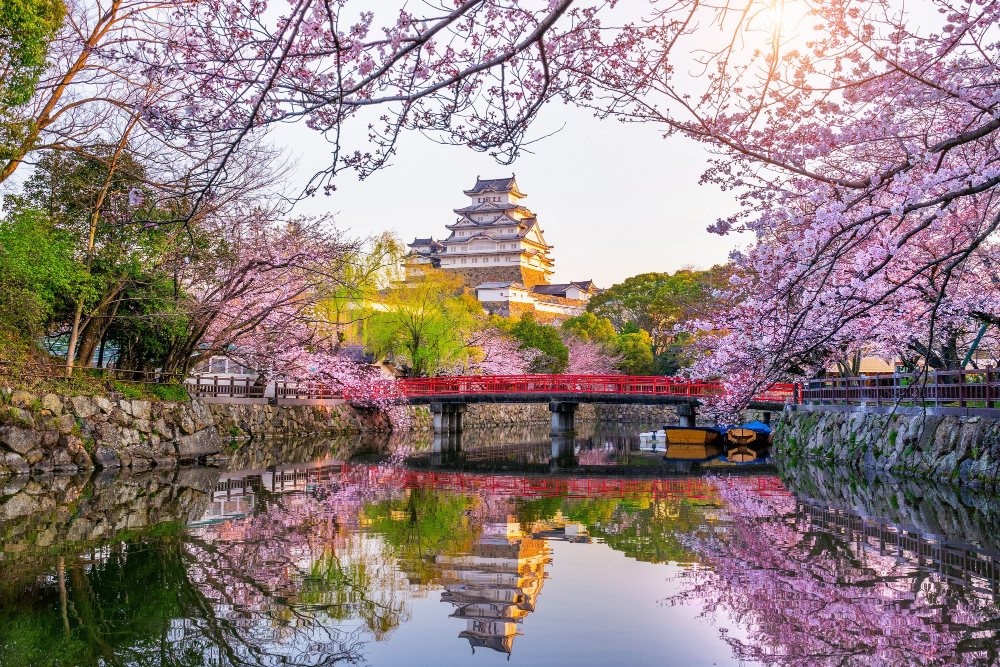
Visiting Kyoto in March is a truly magical experience. Early cherry blossoms typically begin blooming in late March, creating scenic vistas around temples and gardens before the peak tourist season arrives. Exploring Kiyomizu-dera, Fushimi Inari-taisha, and Kinkaku-ji is ideal in the mild temperatures, while walking through the Gion district and the Arashiyama Bamboo Grove offers serenity without crowds. Cherry blossom spots like Maruyama Park, Kyoto Botanical Garden, and the Philosopher’s Path provide early sakura viewing opportunities.
Average March temperatures range from 6–14°C (43–57°F), with occasional rain showers. Packing layered clothing, a waterproof jacket, walking shoes, and light gloves ensures comfort throughout the day. Daily budgets vary: budget travelers can manage on $70–100/day, mid-range travelers on $150–250/day, and luxury travelers on $350+/day. March in Kyoto is a balance of fewer crowds, early blossoms, and pleasant walking weather, though mornings may still feel chilly, and some blossoms may not be fully out yet. Local residents say, “March in Kyoto is magical. Walking the streets early offers serene views and cherry blossoms without the crowds,” highlighting the unique advantage of visiting this month.
Maui, Hawaii – Warm Beach & Nature
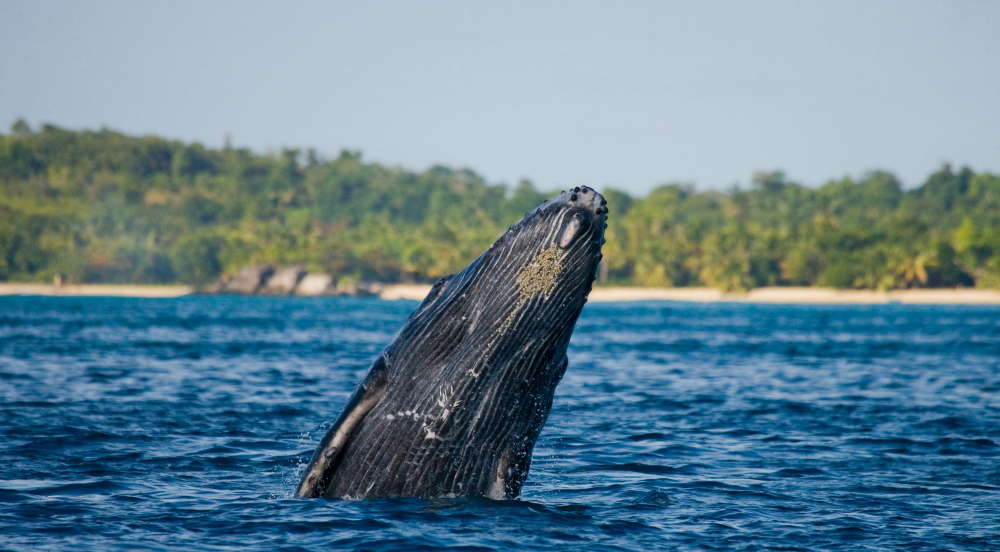
Maui is ideal in March, offering warm beaches and peak whale-watching season. Visitors can enjoy snorkeling, sunbathing at Kaanapali and Wailea beaches, and sunrise tours at Haleakalā National Park. Temperatures range from 20–27°C (68–81°F), with occasional rain showers, making light clothing, swimwear, sun protection, and hiking shoes essential. Daily budgets vary by travel style: $100–150 for budget, $200–300 for mid-range, and $400+ for luxury experiences. March provides pleasant weather, fewer crowds than the summer months, and opportunities to enjoy both relaxation and nature activities.
Patagonia, Argentina – Adventure & Nature
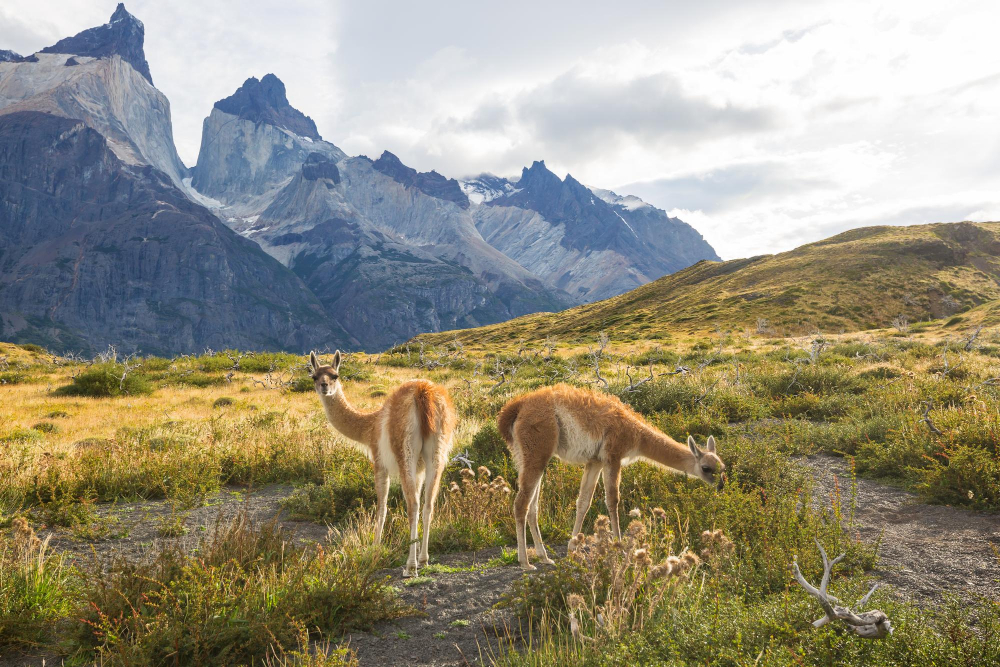
Patagonia in March marks the end of peak summer, offering accessible trails, vibrant autumn foliage, and minimal crowds. Trekking Torres del Paine National Park, spotting guanacos, condors, and penguins, and capturing scenic landscapes are top activities. Temperatures range from 5–15°C (41–59°F), so layering and waterproof hiking gear are essential. Daily expenses vary: $70–120 for budget travelers, $150–250 for mid-range, and $300+ for luxury travelers. The region’s unpredictable weather is a small challenge compared to the breathtaking landscapes and adventure opportunities.
European Alps – Late-Season Snow Sports

March is perfect for late-season skiing in the Alps, with reliable snow and festive spring skiing events. Skiing and snowboarding in Chamonix, France or Zermatt, Switzerland provide exhilarating experiences alongside scenic alpine hikes. Temperatures typically range from -2–8°C (28–46°F), requiring thermal layers, ski gear, and waterproof jackets. Daily budgets range from $100–150 for budget, $250–400 for mid-range, and $500+ for luxury travelers. March skiing offers fewer crowds and excellent deals, though cold and unpredictable weather is expected.
March Travel Planning Checklist
Before traveling in March, planning is key. Book flights and accommodation early to secure the best deals, using tools like Google Flights, Skyscanner, Booking.com, or Airbnb. Comprehensive travel insurance is important, especially for international trips or destinations with variable weather, with platforms like Squaremouth and InsureMyTrip helping travelers compare options. Visa and entry requirements should be verified on official government sites to avoid last-minute surprises. Currency exchange rates can be tracked using tools like Xe.com, and packing should focus on layered clothing suitable for a variety of conditions, with swimwear or hiking gear depending on your destination.
During your trip, maintain connectivity through eSIMs, local SIM cards, or Wi-Fi, and download offline maps for reliable navigation. Respect local customs and etiquette to enrich your cultural experience, and keep important documents secure while staying informed of local safety advisories. After your trip, share your experiences and original photography to inspire others, and reflect on sustainable travel choices to improve your future adventures.
Responsible & Sustainable Travel Tips for March
Traveling responsibly enhances both your experience and the places you visit. Use eco-friendly transportation options such as public transit, walking, or cycling, and reduce waste by carrying reusable water bottles, coffee cups, and shopping bags. Respect wildlife and natural habitats by staying on marked trails, avoiding feeding animals, and leaving no trace. Support local communities by buying local products, dining at local restaurants, and engaging with local guides. Visiting national or state parks in March allows travelers to enjoy early spring scenery while contributing to sustainable tourism practices.
Conclusion & Next Steps
March travel offers fewer crowds, diverse weather options, unique seasonal events, and excellent shoulder-season value. By carefully selecting your destination, planning ahead, and prioritizing sustainable practices, you can enjoy an enriching, memorable spring adventure. Use the insights, comparison tables, and destination spotlights in this guide to choose the perfect March getaway, and embrace the “March Magic” to create experiences that will stay with you for a lifetime. Always verify travel advisories, weather updates, and local conditions before and during your trip to ensure a safe and enjoyable journey.
Frequently Asked Questions About March Travel
1. Is March a good month to travel internationally?
Yes! March is ideal for international travel because it falls in the shoulder season for many destinations. You can enjoy fewer crowds, lower prices, and a wide variety of climates—from early spring blooms in the Northern Hemisphere to pleasant autumn temperatures in the Southern Hemisphere. Planning ahead and checking weather forecasts ensures a smooth experience.
2. What should I pack for unpredictable March weather?
Layered clothing is essential. Bring sweaters, a light waterproof jacket, comfortable walking shoes, and accessories like scarves or gloves for cooler mornings and evenings. For tropical destinations, include swimwear and sun protection, and for adventure or nature trips, bring hiking gear and waterproof items.
3. How can I avoid crowds during March travel?
Focus on shoulder-season destinations and avoid peak spring break hotspots. Traveling early in the month or midweek helps minimize exposure to crowds. Exploring lesser-known attractions, booking guided tours with smaller groups, and staying in locally-run accommodations can also enhance a peaceful travel experience.
4. How can I manage my budget while traveling in March?
March offers good value if you plan strategically. Book flights and accommodations early, set up price alerts, and consider destinations where the shoulder season brings lower prices. Use public transportation or walk when possible, dine at local eateries, and explore free or low-cost activities to maximize your budget.
5. Are there unique events or experiences in March?
Absolutely! Many destinations feature seasonal events:
Kyoto, Japan: Early cherry blossom viewing (Hanami)
Seville, Spain: Semana Santa processions
Dublin, Ireland: St. Patrick’s Day celebrations
Maui, Hawaii: Whale watching season
March gives travelers access to these cultural and natural experiences with fewer crowds than peak months.

Comments
No comments yet. Be the first to comment.
Leave a comment