Planning an international trip can feel overwhelming, especially if it’s your first time traveling abroad. From selecting a destination to booking flights, arranging accommodation, and preparing travel documents, there are many steps involved. This complete step-by-step guide will help you plan your international trip efficiently, ensuring a smooth and memorable experience. Whether it’s a solo adventure, a family holiday, or a honeymoon getaway, following these steps will make your journey organized and stress-free.
Step 1: Choose Your Destination
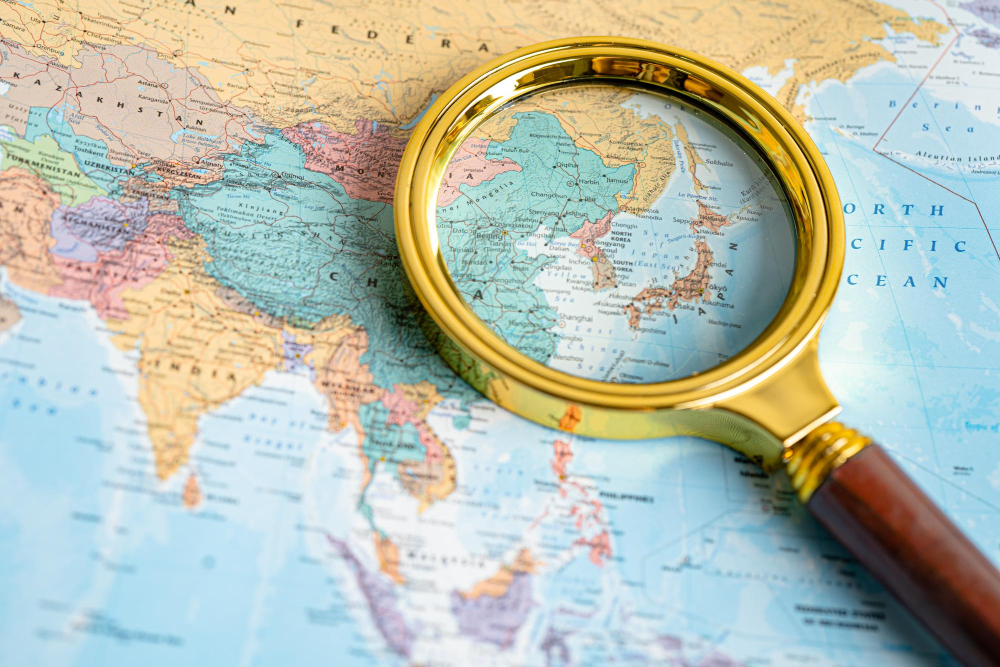
Choosing the right destination is the foundation of your international trip. Begin by considering factors such as your budget, personal interests, travel season, and visa requirements. Research the climate and weather patterns to ensure comfortable travel, and explore the local attractions, cultural experiences, and adventure activities available. It is also important to consider the overall cost of living and travel expenses in your destination. Verifying visa requirements and entry rules for your nationality early helps prevent last-minute delays. Popular destinations for international travel include Europe with countries like France, Italy, and Spain, Asia with Japan, Thailand, and Indonesia, the Middle East with UAE and Turkey, and the Americas with the USA, Canada, and Brazil. Early planning allows you to compare options, save money, and avoid unnecessary stress.
Step 2: Set Your Budget

A realistic budget is essential for a smooth international trip. Your budget should include flights, accommodation, meals, transportation, sightseeing, travel insurance, and additional expenses like shopping or local activities. Estimating flight costs by checking multiple booking platforms ensures you find the best deals. Accommodation should be chosen based on your comfort preferences, location, and cost. Daily expenses such as meals and local transportation must also be accounted for, along with an extra buffer for emergencies or unexpected costs. A well-planned budget ensures you enjoy your trip without financial stress and allows you to allocate funds for activities and experiences that matter most to you.
Step 3: Apply for Travel Documents
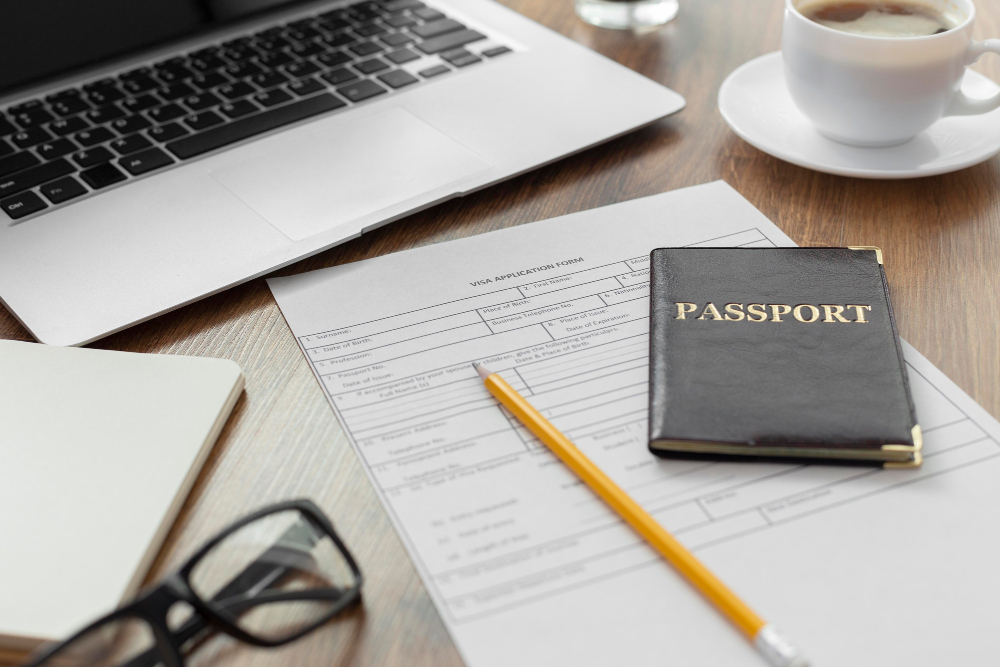
Traveling internationally requires valid travel documents. Make sure your passport is up to date and valid for at least six months beyond your planned travel dates. Check visa requirements for your destination and apply well in advance to avoid last-minute issues. Travel insurance is highly recommended, as it covers medical emergencies, trip cancellations, and lost belongings. Some destinations may require specific vaccinations or health certificates, so check these requirements before departure. Proper preparation of travel documents ensures smooth airport procedures and avoids any complications during your journey.
Step 4: Book Flights and Accommodation

Once your destination and budget are finalized, the next step is booking your flights and accommodation. Compare flight prices across different airlines and booking platforms, considering factors such as flight duration, layovers, and baggage policies. Booking early often secures better deals and preferred flight timings. For accommodation, consider hotels or resorts for comfort and convenience, vacation rentals for a more local experience, or hostels for budget-conscious travelers. Reading reviews and using trusted platforms helps ensure a safe and enjoyable stay. Booking in advance allows you to choose the best location for sightseeing and ensures availability during peak travel seasons.
Step 5: Plan Your Itinerary
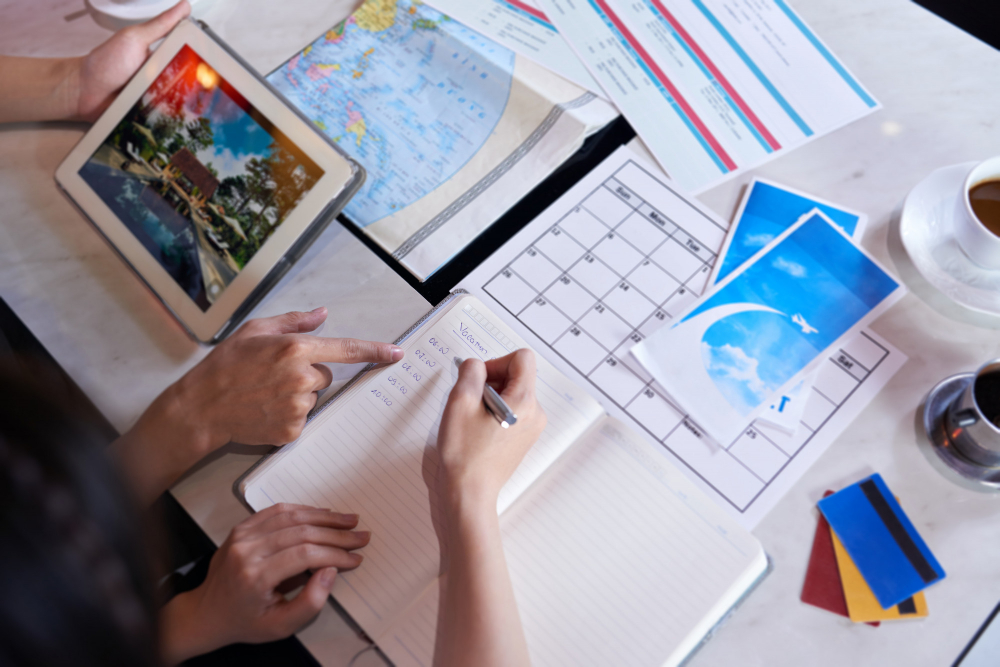
A well-structured itinerary maximizes your travel experience. Start by prioritizing the main attractions and experiences you want to include, and allocate enough time for travel between locations. Research local events, festivals, and cultural activities to enrich your trip. It’s important to maintain flexibility in your itinerary to allow for spontaneous experiences or unforeseen delays. Balancing sightseeing with relaxation ensures that your trip is enjoyable and stress-free, giving you time to truly immerse yourself in the destination.
Step 6: Prepare for Travel Logistics

Travel logistics cover transportation, communication, and local essentials. Research the available modes of transportation in your destination, whether it is public transport, taxi services, or rental cars. Ensure that your payment methods are compatible internationally, carrying some local currency and credit or debit cards that work abroad. Consider your mobile connectivity options, such as international roaming plans or a local SIM card for better rates. Packing appropriately for the local weather, bringing travel adapters for electronic devices, and preparing personal items in advance all contribute to a smoother travel experience. Careful attention to these details reduces stress and keeps your trip running seamlessly.
Step 7: Pack Smart and Stay Organized

Efficient packing allows you to carry everything you need without overloading your luggage. Make a checklist of essentials, including clothing suitable for the weather, toiletries, electronics, and travel documents. Rolling clothes can save space and prevent wrinkles, and carrying a small first-aid kit and necessary medications ensures you are prepared for minor emergencies. Important documents like your passport, visas, and travel insurance should be stored securely but remain accessible. Staying organized while packing ensures you can travel comfortably and enjoy your trip without unnecessary complications.
Step 8: Stay Safe While Traveling

Safety should always be a priority during international travel. Be mindful of your surroundings, avoid sharing travel plans publicly, and keep emergency contacts handy. Protect your belongings, especially in crowded areas, and follow local rules and customs to respect the culture and maintain personal safety. Being cautious allows you to enjoy your trip without unnecessary risks, and helps you focus on exploring and making the most of your travel experiences.
Step 9: Enjoy Your Trip and Capture Memories
.jpg "Capture memories")
The most important part of any trip is to enjoy the experience. Explore your destination, try local cuisine, and immerse yourself in the culture. Guided tours can provide valuable insight into the history and traditions of the area, while interacting with locals offers authentic experiences. Documenting your trip through photos, videos, or a travel journal helps preserve memories for years to come. Embracing both planned and spontaneous experiences makes your international trip truly memorable.
Step 10: Plan Your Return and Post-Trip Tasks
After your trip, ensure a smooth journey back home and complete any post-trip responsibilities. Confirm return flights and airport transfers, organize your photos and souvenirs, and share your travel experiences and reviews online to help other travelers. Keeping receipts and important documents from your trip can be useful for future planning or reimbursement purposes. Wrapping up your trip efficiently ensures that your travel experience ends as smoothly as it began and prepares you for future international adventures.
Final Thoughts
Planning an international trip may seem daunting, but following this step-by-step guide makes it manageable and enjoyable. From selecting a destination and setting a budget to booking flights, preparing documents, and staying safe, every step contributes to a smooth and rewarding travel experience. Thoughtful planning allows you to focus on creating memories, exploring new cultures, and enjoying every moment of your journey. Whether it’s a honeymoon, family vacation, or solo adventure, careful preparation ensures your international trip is unforgettable.

Comments
No comments yet. Be the first to comment.
Leave a comment