India is not a destination you can improvise. It is one of the most rewarding countries on earth for the traveler who approaches it with intelligence and adequate time, and one of the most disorienting for the traveler who arrives without a framework.
The good news is that the framework is learnable. India's geography divides into manageable regions, each with its own character, its own best season, and its own specialist logic. The challenge is that most generic travel guides treat India as a single entity, one climate, one pace, one standard itinerary, when the reality is that the Kerala backwaters and the Thar Desert might as well be different countries.
This guide focuses on South India and specifically the Kerala circuit: Cochin (Kochi), Alleppey (Alappuzha), Munnar, and Kovalam, with Hyderabad as the natural opening or closing anchor for travelers flying via the Deccan. It covers what to expect, when to go, how many days you actually need, and how specialists structure an India trip that does not leave you feeling like you rushed through something extraordinary.
Why India Requires More Planning Than Most Destinations
Most countries allow a degree of improvisation. You can arrive without a fixed plan in Japan, book accommodation on the day in Portugal, or adjust your French itinerary based on weather. India tolerates very little of this.
The climate varies dramatically by region and season. The road conditions, internal flight availability, and hotel quality tiers differ enormously between cities and between price points. The cultural and logistical gap between a well-planned itinerary and an unplanned one is wider here than almost anywhere. And the rewards, the backwaters at dusk, the temple at dawn, the meal you would not have found without local guidance, require access that only preparation or a good specialist can open.
India also rewards slowness. The traveler who rushes from city to city in ten days leaves with a blur of photographs and a sense that the real country stayed hidden. The traveler who commits to fewer places and more time in each one gets something closer to the actual experience.
Ask begovo early. The decisions made before you book flights have more impact on the quality of an India trip than any decision made after you land.
Best Time to Visit India
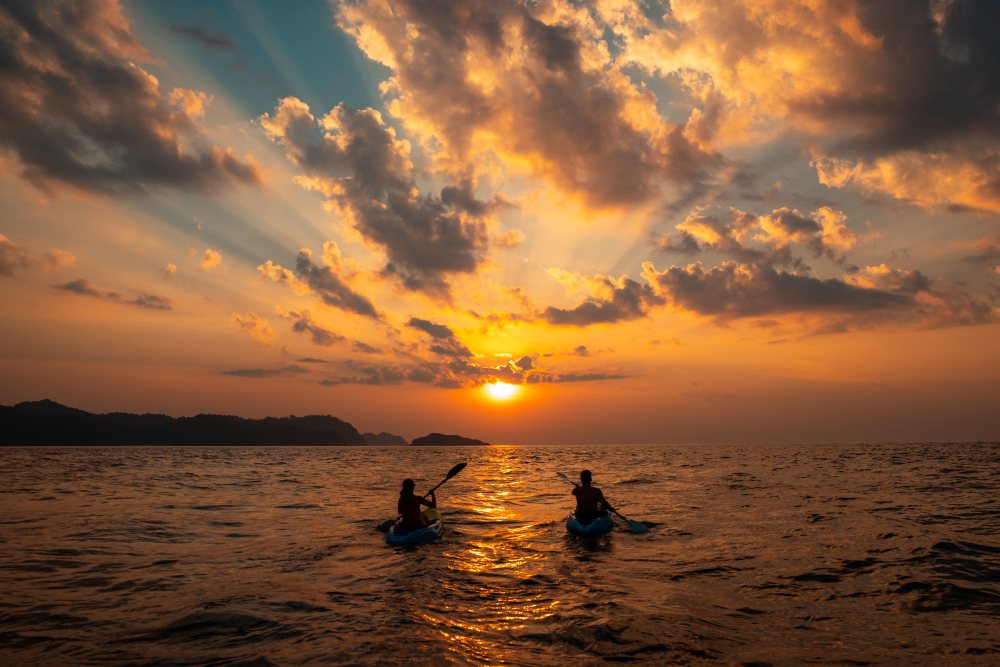
India's timing works by region, not by country.
South India and Kerala (Cochin, Alleppey, Munnar, Kovalam): October through February is the optimal window. Temperatures are comfortable, the monsoon has cleared, and the backwaters are green and full without being flooded. Munnar is at its clearest. Kovalam's beach is calm. December and January are peak season, meaning hotel rates are at their highest and the most popular houseboats on the Alleppey backwaters require advance booking.
The Kerala monsoon (June to September) is dramatic and transformative. The state turns extraordinarily lush, the waterfalls at their full power, the tea estates on Munnar's hillsides vivid green. For the traveler who does not mind occasional heavy rain, August and September offer Kerala at its most photogenic and at significantly lower prices. Road access to Munnar can be affected by landslides in severe monsoon years, and this is a risk worth discussing with a specialist before booking.
Hyderabad is viable year-round. The summer months of April to June are hot (35 to 40 degrees Celsius), but the city's indoor attractions, museums, old city bazaars, historic palaces, remain accessible. October through March is the most comfortable window for exploring the old city on foot.
North India (Delhi, Agra, Rajasthan): October through March. The summer heat in North India is severe and the monsoon brings humidity and flooding in some regions. Winter mornings in December and January can be cold and foggy, affecting visibility at the Taj Mahal, something specialists flag well in advance.
What to Expect Across India's Key Regions
Cochin (Kochi)
Cochin is where most Kerala trips begin, and it earns more than the 24-hour transit most itineraries give it. Fort Kochi, the historic peninsula that gives the city its character, is one of the most genuinely atmospheric urban environments in South Asia. Portuguese churches, Dutch heritage buildings, Jewish synagogues, and Chinese fishing nets all exist within a 15-minute walk of each other, a layering of mercantile history that reflects centuries of spice trade and colonial occupation.
The Chinese fishing nets on the waterfront at sunrise are the photograph everyone takes and the experience that still delivers regardless. The mechanics of the nets, enormous cantilever structures counterbalanced with stones, operated by teams of men, unchanged in design for five centuries, are genuinely fascinating.
Jew Town and the Mattancherry spice market behind it are worth a proper morning. The warehouses still smell of cardamom, pepper, and turmeric. The Paradesi Synagogue at the end of the street is one of the oldest active synagogues in the Commonwealth. A Kathakali performance in the evening, preferably a small-venue version with makeup application visible beforehand, closes the Cochin experience well.
Specialists use Cochin as a two-day cultural orientation before the backwaters. Two days is right. One is too brief, three is too leisurely for most itineraries.
Alleppey (Alappuzha)
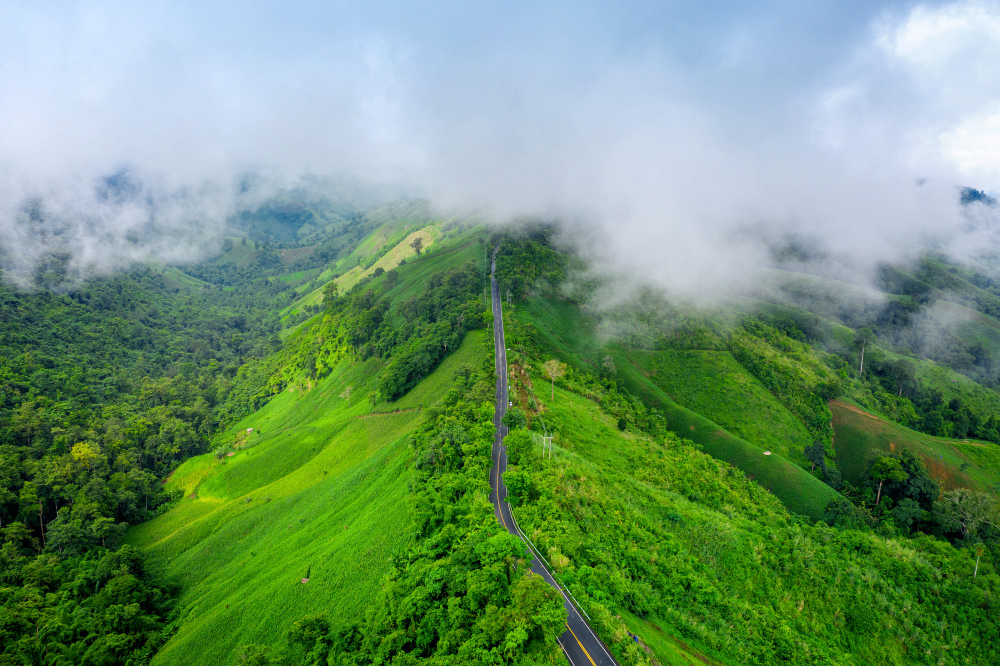
Alleppey is the houseboat capital of Kerala and one of the most distinctive travel experiences in all of South Asia. The backwaters are a 900-kilometre network of canals, rivers, lagoons, and lakes running behind Kerala's coastline, and the traditional kettuvallam rice boats, converted and fitted as floating accommodation, allow you to move through this ecosystem slowly, at water level, with coconut palms leaning over the banks and village life continuing on either side.
The specialist guidance on Alleppey is specific, because the quality of the houseboat experience varies enormously with the vessel you choose and the route you take.
- Overnight versus day cruise: The overnight is the correct choice. The afternoon and evening on the backwaters, when the light drops and the water reflects the sky, when kingfishers hunt the edges and otters appear as the boat moors for the night, is what the experience is built around. The day cruise is a pale version.
- Lake versus canal routing: The Vembanad Lake offers open water and wide views, and is better for birdwatching and sunrise. The canal routes take you deeper into village life, narrower waterways, and more intimate contact with the landscape. The best itineraries combine both.
- Vessel selection: Budget houseboats exist and they are a different product from a quality vessel. Specialists select boats that are well-maintained, crewed by experienced staff who know the water, and fitted with proper beds, functioning air conditioning (essential in the warmer months), and a kitchen capable of producing the Kerala fish curry and prawn dishes that are the culinary highlight of the overnight.
Alleppey is 1.5 hours from Cochin. Board your houseboat before noon on the first day to maximise time on the water. Disembark the following morning, take breakfast on deck, and begin the drive toward Munnar.
Munnar
Munnar sits at approximately 1,600 metres in the Western Ghats, three and a half hours from Alleppey and a world apart from the backwaters below. The landscape is tea country in its most concentrated form: rolling hills covered in the precise green geometry of tea estates, broken by rocky ridgelines, waterfalls, and the occasional cardamom grove.
The TATA Tea Museum on the edge of town covers the history of tea cultivation in the region and the industrial architecture of the original estates. It is well-done and adds context to what you are looking at from the road. The drive up from the lowlands is itself one of the highlights. The temperature drops noticeably as you climb, the vegetation changes from tropical to subtropical to almost temperate, and the views from the switchbacks open progressively wider.
Eravikulam National Park, 13 kilometres from Munnar town, protects the endangered Nilgiri Tahr, a mountain ungulate found nowhere else, and offers the possibility of tiger sightings in the lower forest zones. The park's grassland plateau at 2,000 metres has a quality of light and quietness that justifies a morning visit even for travelers not primarily interested in wildlife.
Two nights in Munnar is the specialist recommendation. It allows a full day in the park and estates, a rest afternoon at the hotel, and a dawn departure on the second morning before the road to Kovalam.
Kovalam
Kovalam is a beach town on the Thiruvananthapuram coast, 120 kilometres south of Munnar, and it functions as the ideal Kerala finale. The lighthouse beach is the primary focus, a curving bay with a working lighthouse at one end, good seafood restaurants on the cliff above, and calm water for swimming from October through March.
Kovalam's particular value in the itinerary is the Ayurvedic massage tradition. The town has a long-established Ayurvedic culture, and several serious clinics (distinct from the tourist massage shops that cluster near the beach) offer treatments that are genuinely therapeutic. A consultation and treatment session is worth building into a Kovalam afternoon.
The airport at Thiruvananthapuram is 16 kilometres from Kovalam, making it a practical departure point for onward travel to Hyderabad or a direct international connection.
Hyderabad
Hyderabad is the destination that South India itineraries most frequently overlook, and it is consistently one of the places specialists most frequently recommend adding. It works either as a two-day opening anchor, fly into Hyderabad, then connect to Cochin, or as a closing standalone before an international departure.
The old city of Hyderabad is built around the Charminar, a 16th-century triumphal arch that anchors an urban environment of remarkable density and energy. The streets around it carry the weight of five centuries of Qutb Shahi and Nizami culture: Laad Bazaar for the pearl and bangle trade, Mecca Masjid (one of the largest mosques in India), and Golconda Fort on the city's western edge, a 12th-century citadel with an acoustic engineering curiosity at its entrance that specialists invariably demonstrate to their clients.
The Hyderabad biryani is not incidental. It is one of the defining regional dishes of Indian cooking, and eating it in its city of origin, particularly at one of the old city's long-established restaurants, is a culinary experience in its own right.
Specialist-Recommended Pacing
10 days: The South India circuit
Day 1 to 2: Hyderabad (fly in)
Day 3 to 4: Cochin
Day 5 to 6: Alleppey (overnight houseboat)
Day 7 to 8: Munnar
Day 9 to 10: Kovalam (fly out from Trivandrum)
14 days: South India plus North India opener
Add 4 days at the start: Delhi (1), Agra and Taj Mahal (1), Jaipur (2), then fly to Hyderabad.
7 days: Kerala only
Cochin (2), Alleppey (2), Munnar (2), Kovalam (1), fly out.
Key Experiences
- Alleppey houseboat overnight. The experience of drifting through the backwaters at water level, eating Kerala food on the deck, and waking to mist on the water with no road noise and no schedule is genuinely irreplaceable. Choose the right vessel.
- Munnar tea estate at dawn. Walk into the estate rows before the workforce arrives, when the mist is still on the hills and the light is low. The geometry of the tea bushes against the ridgeline is extraordinary.
- Fort Kochi heritage walk. Two hours on foot through Mattancherry and Fort Kochi with a good local guide covers five centuries of overlapping history. The context it provides carries through the rest of the trip.
- Golconda Fort, Hyderabad. The fort is large and the climb is worth it. The sound and light show in the evenings is more theatrical than informative but spectacular in scale.
- Kathakali performance, Cochin. Kerala's classical dance-drama form is one of the most technically demanding performance traditions in Asia. A proper performance, not a shortened tourist version, takes time and rewards patience.
Practical Considerations
Visa: India offers an e-Tourist Visa (eTV) for most nationalities, valid for 30 to 180 days depending on nationality. Apply at least four days before departure, though two weeks is the safer timeline. The Indian government visa portal is the only legitimate source. Avoid third-party sites that charge inflated fees.
Internal flights: India's domestic airline network is extensive and generally affordable. IndiGo and Air India operate most useful routes. Book in advance for December and January travel, when demand is highest.
Budget: South India is more affordable than most travelers expect at the mid-range level. Quality boutique hotels in Cochin and Munnar range from $80 to $200 per night. A quality houseboat overnight ranges from $150 to $400 per night for two. Meals, transport, and entrance fees are inexpensive by international standards.
Health: Standard travel health precautions apply. Consult your GP well before travel. Tap water is not potable. Bottled water is universally available.
How Begovo Specialists Build India Itineraries
India planning is where specialist knowledge makes the most tangible difference. The gap between an India trip assembled from online research and one designed by someone who knows the country is measurable in every day of the itinerary.
Specialists know which houseboats are worth the price and which are not. They know the difference between the Cochin hotels that sound premium and the ones that deliver it. They know that Munnar's best sunrise viewpoint requires a 5am departure and that the most-photographed spot is usually crowded by 7am. They know that Hyderabad old city is best approached from the south at mid-morning and that the biryani at Shadab is categorically better than at the tourist-facing alternatives.
They also know how to build an India itinerary around a real budget, a real travel party, and real constraints, and how to adjust when something does not go to plan.
Explore Plan My Trip to see how Begovo structures India and South Asia travel. Or speak directly to someone who knows the country.
Frequently Asked Questions
Is South India safe for first-time international travelers?
Yes. Kerala and Hyderabad are considered very safe for international tourists. Petty crime exists in crowded areas as in any destination, but violent crime against tourists is rare. Standard precautions apply, and a specialist can advise on specific neighbourhoods and transport choices.
Do I need a guide for the Alleppey houseboat?
The houseboat comes with a crew (captain, cook, and sometimes a guide) who handle navigation and meals. A separate local guide is not required. However, for the backwater villages and canal routes, having a knowledgeable crew makes a significant difference. Specialists select boats with experienced crews.
Can I do Kerala on a budget?
Yes. Kerala has excellent budget homestays, public ferries instead of private houseboats, and affordable local food. However, the quality difference between a budget houseboat and a mid-range one is significant. A specialist can help you find the right balance for your budget.
Ready to plan your India trip?
Go with Confidence. Every itinerary is specialist-verified before you travel.

Comments
No comments yet. Be the first to comment.
Leave a comment