Jordan is a country that rewards proportion. It is small enough to experience in full within 9 or 10 days, yet rich enough that travelers who do experience it in full consistently say it exceeded every expectation. Petra is extraordinary. But Petra is not the whole story. Wadi Rum is extraordinary. But Wadi Rum is also not the whole story.
The complete Jordan, Amman's cultural confidence, Madaba's Byzantine mosaics, Dana's wilderness depth, Petra's canyon city, Wadi Rum's desert silence, the Dead Sea's primordial stillness, and Aqaba's Red Sea coast, is one of the most well-rounded travel experiences available in the Middle East. This guide covers how specialists plan it.
Who Jordan Is Right For
Jordan works for almost every serious traveler type. History and archaeology travelers have obvious reasons to come, but Jordan also serves the landscape photographer, the adventure traveler interested in desert hiking and wadi canyoning, the traveler interested in ancient cultures and living Bedouin traditions, and the traveler simply looking for a Middle Eastern destination that feels safe, hospitable, and genuinely welcoming of international visitors.
Jordan is one of the most politically stable countries in the Arab world and has been receiving international tourists for decades. English is widely spoken in tourism contexts. The country is Muslim-majority and predominantly conservative in its social norms, but international visitors are treated with remarkable warmth and the country's hospitality culture is the most frequently cited thing travelers mention after Petra itself.
For first-time visitors to the Middle East, Jordan is often the specialist's recommended starting point. Ask begovo if you are weighing Jordan against other Middle East options.
Best Time to Visit Jordan
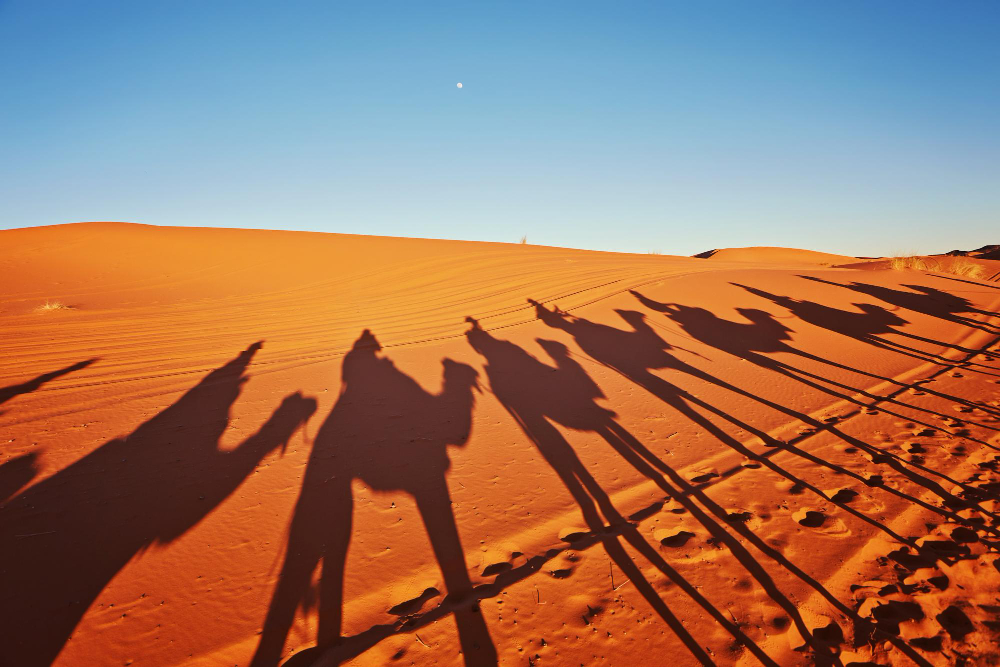
March to May is spring and, for most specialists, the best time to visit Jordan. Temperatures across the country are ideal, warm in the desert, comfortable in Amman, cool in Dana, and the wildflowers that carpet the Jordanian highlands in April are genuinely spectacular. Petra is best appreciated in mild temperatures, and the Siq walk in spring light is particularly beautiful.
September to November is the autumn window, the second-best choice. Summer heat has passed, temperatures are comfortable across all regions, and the Dead Sea resorts are less crowded than in spring peak season. October and November are the specialist's preference for travelers who want quality and lower demand simultaneously.
June to August is summer. Wadi Rum can reach 40 degrees Celsius and the Siq in Petra at midday is uncomfortable. That said, Wadi Rum in summer has a distinct beauty. The desert is at its most austere and the night sky is exceptional. If you travel in summer, adjust your schedule accordingly: Petra at dawn, siesta, Dead Sea in the afternoon.
December to February is winter. Amman can be cold and occasionally receives snow, which is unusual and genuinely striking when it happens. Dana at altitude can be cold at night. Petra in winter light is uncrowded and atmospheric. The Dead Sea remains warm for floating year-round. Winter is not the typical Jordan window but for some traveler types, particularly those interested in quieter sites and lower prices, it has real appeal.
Ramadan: Jordan during Ramadan is a genuine cultural experience. The country slows during the day and comes alive after Iftar. Restaurants in Amman become extraordinary social spaces in the evening. Some practical adjustments are required, and specialists brief clients on these in advance.
What to Expect Across Jordan's Key Destinations
Amman
Amman is underestimated by most Jordan itineraries. The standard approach, one night in the capital, then head south, misses a city that has become one of the Arab world's most interesting urban destinations.
The old city, or East Amman, is built on and between ancient hills (jabals) and holds the Citadel, the Roman Theatre, and the Archaeological Museum in a walkable concentration. The Citadel sits at the highest point of the city and offers views across Amman's white limestone sprawl that orient you physically and historically. The Umayyad Palace within the Citadel complex and the Hercules Temple ruins are the two most significant sites.
West Amman, the modern city centred on Rainbow Street and the Abdoun neighbourhood, is where the food and social culture lives. Rainbow Street is genuinely lively in the evenings: rooftop cafés, bakeries open at midnight, restaurants serving modern Levantine food that reflects Jordan's Circassian, Lebanese, Syrian, and Bedouin culinary traditions simultaneously.
Specialists allocate two nights to Amman. This gives you an evening to eat and walk Rainbow Street on arrival, a full day for the Citadel, Roman Theatre, and old city, and a morning for the National Archaeological Museum before heading south.
Madaba
Madaba sits 30 kilometres southwest of Amman and is most efficiently visited en route to the Dead Sea and the south. The town is a Christian community in a Muslim-majority country, and the small Church of Saint George holds one of the most extraordinary archaeological objects in the Middle East: a Byzantine mosaic floor map of the Holy Land, dating to the 6th century AD, showing Jerusalem, the Nile Delta, the Dead Sea, and dozens of named towns and rivers in extraordinary detail.
The mosaic map is not large. You can see it entirely in 20 minutes. But the specificity of its geographic knowledge, the survival of such detail across 15 centuries, and the fact that it remains on the floor of an active church creates an experience that is quietly astonishing.
Mount Nebo is 10 kilometres from Madaba and is the biblical site where Moses is said to have seen the Promised Land before his death. The views across the Jordan Valley to Jericho, Jerusalem, and on clear days even the Israeli coast are genuinely remarkable. A memorial chapel covers the mosaic floor of the original church, and the site itself, wind-scoured and exposed on the ridge, has a stark grandeur.
Specialists route Madaba as a half-day stop between Amman and the Dead Sea. It adds almost no time to the drive and delivers significant historical depth.
Dead Sea
The Dead Sea is the lowest point on earth's surface, 430 metres below sea level, and is one of those travel experiences where the reality matches the expectation. The salt concentration (approximately 34 percent compared to the ocean's average of 3.5 percent) means human bodies float without effort. The sensation of reading a newspaper while lying in water, unsinkable, with the Judean Hills rising across the Israeli border, is as strange and as memorable as advertised.
Specialists recommend a one-night stay at the Dead Sea rather than a day trip. The reason is straightforward: the late afternoon light on the water is beautiful, the sunrise across the water is extraordinary, and the hotel's private beach allows you to experience the floating and the mud ritual at your own pace rather than in the crowds that day-trippers bring.
The mud is mineral-rich and the application ritual is part of the experience. Coat yourself, dry in the sun, rinse in the Dead Sea, then rinse again in fresh water. Your skin will feel different for the following 24 hours.
Quality hotels on the Jordanian Dead Sea shore include the Kempinski Ishtar, the Movenpick Resort, and the Marriott Dead Sea. The Mövenpick has the longest beach frontage. Specialists select based on traveler profile and availability.
Dana
Dana is the destination most Jordan first-timers skip and most Jordan returnees wish they had included. The Dana Biosphere Reserve is Jordan's largest nature reserve: a dramatic landscape of canyons, cliffs, and wadis descending from the highlands to the Wadi Araba lowland, covering a vertical range of 1,500 metres and several different ecological zones within one protected area.
The village of Dana itself sits on a cliff edge above the reserve, largely unchanged for centuries. The traditional stone buildings have been partially converted to small guesthouses and the Rummana Camp inside the reserve offers some of the most spectacular tent accommodation in the Middle East.
The hiking is the reason to come. The Wadi Dana Trail descends through the canyon over two to three days to Feynan Eco Lodge at the bottom, one of the most authentic wilderness experiences available in the Arab world. Day hikes from the village offer shorter options: the canyon rim trail at dawn, the Rummana Mountain Trail with views across the wadi, guided night walks with local rangers.
Specialists include Dana for travelers with 10 or more days in Jordan and for those who specifically want physical engagement with the landscape beyond the archaeological sites. For a tight 7-day itinerary, it may be the one element that needs to be dropped, and specialists explain exactly what that trade-off means.
Petra
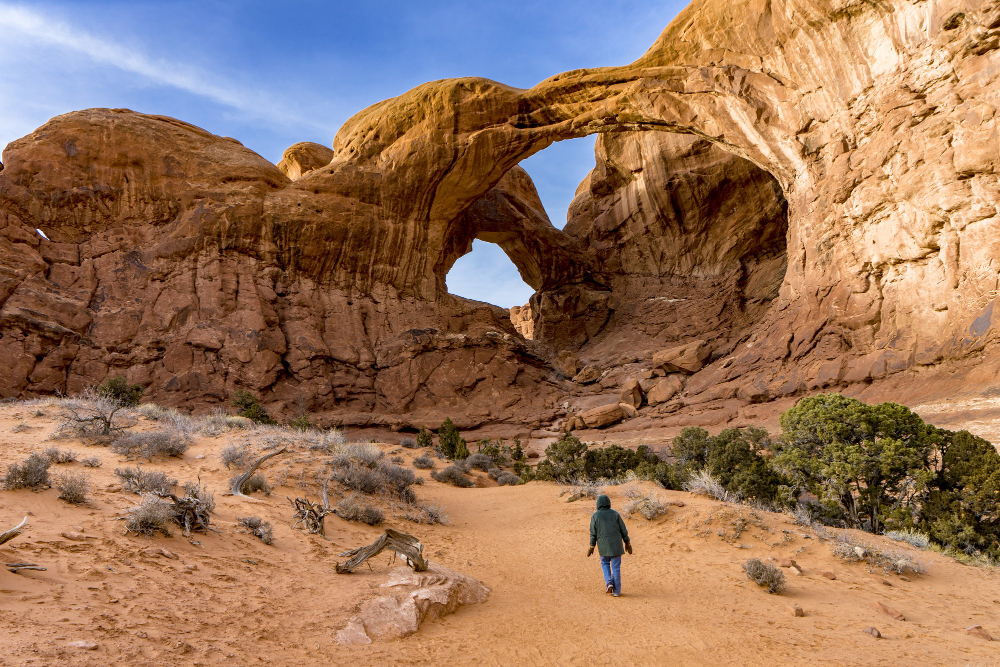
Petra requires no introduction and no overselling. The 2,000-year-old Nabataean city carved into rose-red sandstone cliffs is one of the genuine wonders of the world, and it earns that description every time a traveler walks through the Siq for the first time and sees the Treasury framed at the end of the narrow gorge.
What Petra does require is planning. The site is large, far larger than most first-time visitors anticipate. The Treasury is the entrance, not the destination. The full Petra experience extends through the Colonnaded Street, past the Royal Tombs, the Qattar ad-Dayr Monastery (850 steps above the valley floor, and worth every one), and the High Place of Sacrifice.
- When to arrive: 7am. The site opens at dawn and the first two hours, before tour buses arrive from Amman and Aqaba, are when the Siq belongs to you. The Treasury at 7am with low morning light entering the canyon is a fundamentally different experience from the same view at 11am surrounded by several hundred other people.
- Two nights minimum. One day at Petra is survivable. Two days is what the site deserves. The first day for the main circuit: Siq, Treasury, Colonnaded Street, Royal Tombs. The second day for the Monastery in the morning and Little Petra (Al Beidha) in the afternoon, a Nabataean village predating Petra itself, 8 kilometres north, and almost entirely free of crowds.
- Petra by Night runs Monday, Wednesday, and Thursday. The Siq and Treasury are lit by candles, and the walk in, silent, low-lit, with traditional music at the end, is genuinely atmospheric.
Wadi Rum
Wadi Rum is a protected desert landscape of extraordinary scale: sandstone mountains rising sharply from flat red and orange desert plains, ancient rock inscriptions, and a silence that has a physical quality you can feel in your chest. Lawrence of Arabia moved through here. The Mars films were shot here. The geology is estimated at 500 million years in the making.
One night in the desert is the minimum and also the sweet spot for most itineraries. The jeep tour, covering the main formations, the inscriptions, the sand dunes, and the natural rock bridges, takes a full afternoon. The Bedouin camp dinner, eaten on the sand under a sky with zero light pollution, is the experiential centre of the Wadi Rum night. The stars above Wadi Rum at 2am, away from any settlement, are among the most impressive in the Middle East.
Camp selection matters. The range runs from basic shared tents to private luxury transparent-ceiling bubble domes that allow you to watch the stars from a bed. Specialists match camp tier to traveler profile and budget. The mid-range camps, proper tents, good food, attentive Bedouin hosts, often deliver the most authentic experience.
Aqaba
Aqaba is Jordan's only coastal city and sits at the northernmost point of the Red Sea. It is primarily a working port city with a growing tourism infrastructure, and it functions in the specialist itinerary either as a departure airport (Aqaba King Hussein Airport serves international routes) or as a short extension for travelers who want Red Sea water after the desert.
The snorkelling and diving off Aqaba's coast is genuinely excellent. The Red Sea's coral health here is better than many more-famous dive destinations. Glass-bottom boat tours cover the reef without requiring certification. The underwater world visible even from a boat anchored above it is among the best in the region.
Specialists include Aqaba when the client specifically wants water, when the departure logistics make sense, or when the Jordan itinerary is structured south-to-north (flying in to Amman, flying out from Aqaba, or vice versa).
Specialist-Recommended Pacing
7 days (focused): Amman (2), Madaba and Dead Sea (1.5), Petra (2), Wadi Rum (1), return to Amman or fly from Aqaba. Dana is dropped.
10 days (complete): Amman (2), Madaba en route (half day), Dead Sea (1), Dana (2), Petra (2), Wadi Rum (1), Aqaba (1), fly from Aqaba.
The south-first option: Some specialists prefer routing south first from Amman, directly to Wadi Rum, then Petra, then Dead Sea, then Amman. The logic is that you see the desert in full energy on Day 1 and arrive at the Dead Sea relaxed. The itinerary structure depends on flight logistics and traveler preference.
Key Experiences
- Petra Siq at dawn. 7am, before the crowds, with the canyon walls towering 80 metres above you and the Treasury framed at the end. There is almost nothing in travel that matches this approach.
- Wadi Rum desert night. Campfire, Bedouin music, lamb cooked in sand (zarb), and a sky full of stars at 2am. The silence is the thing you remember most.
- Dead Sea float. The sensation of being unable to sink, lying back in 34-percent-salinity water with a sunset behind the Judean Hills, is one of those experiences that feels genuinely impossible until it is happening to you.
- Dana canyon hike. For slow travelers with time. The canyon trail descends through five ecological zones and deposits you in a landscape that feels entirely off the map.
- Madaba mosaic map. Twenty minutes in a small church, looking at a 6th-century Byzantine map of the Levant that is still largely accurate. One of the great overlooked archaeological experiences in the Middle East.
Practical Considerations
Jordan Pass: The Jordan Pass bundles your entry visa fee (for most nationalities) with admission to Petra and over 40 other archaeological sites. At JD 70 to JD 80 depending on the Petra days selected, it represents significant savings. Specialists confirm eligibility and recommend purchase before departure.
Visa: Most Western nationalities can purchase a visa on arrival at Queen Alia International Airport. The Jordan Pass eliminates the visa fee. Border crossings from Israel (King Hussein/Allenby Bridge, Sheikh Hussein Bridge, Wadi Araba) and Saudi Arabia have different visa procedures. Discuss with your specialist if using a land border.
Budget: Jordan is not an inexpensive destination by regional standards. Quality hotels in Amman range from $80 to $200 per night. Dead Sea resort hotels are $200 to $400 per night. Wadi Rum mid-range camps range from $100 to $200 per person per night including dinner and breakfast. Petra entry with Jordan Pass is included in the overall Jordan Pass cost.
Transport: A private driver is the specialist recommendation for the full Jordan circuit. Rental cars are available but Jordan's road network, while generally good, has sections that require local knowledge. Public transport serves Amman and Petra but not Wadi Rum or Dana.
How Begovo Specialists Build Jordan Itineraries
Jordan is a destination where the decisions made in planning, which camp in Wadi Rum, whether to include Dana, how many days at Petra, whether to enter from Israel or fly direct, have an outsized effect on the quality of the trip. A specialist who knows Jordan well can take an itinerary from good to exceptional without adding a single day or a significant amount to the budget.
Begovo specialists know Jordan's ground operators, its best guides, and its seasonal patterns in the detail that makes those decisions correctly. They also know the Jordan Pass inside out and can confirm eligibility before you plan around it.
Browse Travel Anytime to see how Jordan fits within Begovo's fully supported travel framework. Or speak directly to someone who has planned this itinerary before.
Frequently Asked Questions
Is Jordan safe for solo female travelers?
Yes. Jordan is considered one of the safest countries in the Middle East for solo female travelers. Standard precautions apply, and dressing modestly is respectful. Many solo female travelers report feeling very safe, especially on the tourist circuit of Amman, Petra, Wadi Rum, and the Dead Sea.
Do I need a guide for Petra?
A guide is not required, but for first-time visitors a guide for at least the first morning adds significant context. The site is vast and the history is complex. Specialists can arrange licensed guides who meet you at the entrance and walk you through the Siq and Treasury before leaving you to explore on your own.
Can I visit Jordan on a budget?
Yes, but with trade-offs. Accommodation in Amman and Petra can be found at lower price points, and public transport (JETT buses) connects Amman to Petra and Aqaba affordably. However, the Jordan Pass is still recommended for value, and Wadi Rum camping can be done at budget camps. A specialist can help you balance cost and experience.
Ready to plan your Jordan trip?
Go with Confidence. Every itinerary is specialist-verified before you travel.

Comments
No comments yet. Be the first to comment.
Leave a comment