Saudi Arabia in 2026 is the world's most rapidly evolving travel destination, offering ancient Nabataean heritage, futuristic Vision 2030 megaprojects, sacred pilgrimage routes, and pristine Red Sea coastlines within a single country. The best approach to experiencing the Kingdom is through a specialist-led itinerary that sequences Riyadh, AlUla, Jeddah, and the coast in a logical arc, accounting for seasonal temperatures, religious calendars, and advance access requirements. Planning a trip to Saudi Arabia in 2026 is not simply a matter of booking flights - it requires navigating a country that is transforming at a pace unmatched anywhere on earth.
Quick Answer: Saudi Arabia 2026
- Best Time to Visit: November to February for optimal weather across all regions. Abha (Asir) is excellent June to September due to its cooler highland climate.
- Ideal Duration: 10 to 14 days to cover Riyadh, AlUla, Jeddah, and the Red Sea comfortably. Three weeks allows for Asir, Al-Ahsa, and Taif.
- Entry Requirements: A Saudi eVisa is available to citizens of 63 or more nationalities and can be applied for online. Verify current eligibility with official Saudi immigration sources before departure.
- Non-Muslims: Welcome across Saudi Arabia except the city of Mecca and the restricted zone around the Prophet's Mosque in Medina. All other destinations are fully open.
- Specialist Tip: Book Hegra access in AlUla at least four weeks in advance. Permit-controlled entry limits daily visitors and tour slots sell out during peak season.
Why Saudi Arabia Is the 2026 Breakout Destination
Saudi Arabia is undergoing a transformation that no other destination on earth can claim at this scale. Under Vision 2030, the Kingdom has simultaneously opened five UNESCO World Heritage Sites to tourism, launched five major giga-projects, relaxed social reforms that now permit mixed-gender concerts, cinemas, and international sporting events, and introduced an eVisa system open to travelers from more than 63 nationalities. The result is a destination that is genuinely different from what existed five years ago, and significantly more rewarding to visit as a result.
The appeal is the contrast. In Riyadh, the restored mud-brick palaces of Diriyah sit 15 kilometres from a skyline of glass towers and world-class restaurants at the Bujairi Terrace. In AlUla, luxury tented camps are embedded in sandstone canyons housing 2,000-year-old Nabataean tombs. On the Red Sea coast, Red Sea Global is developing a network of island resorts designed entirely around reef preservation. No other destination combines this level of historical depth, futuristic development, and natural environment within a single country.
Saudi Arabia is worth visiting in 2026 because the country has reached a critical point in its transformation where the infrastructure is functional but the crowds are still manageable. UNESCO sites like Hegra and Al-Balad can currently be experienced without the congestion of more established destinations. The window to experience Saudi Arabia as a pioneering destination is open now.
How to Sequence Your Saudi Itinerary
Sequencing a Saudi Arabia itinerary correctly is the single most important planning decision you will make. Specialists typically structure Saudi itineraries using a three-phase logic: historical grounding in Riyadh, deep cultural immersion in AlUla, and coastal relaxation on the Red Sea. This sequence creates a coherent narrative arc that makes the trip feel purposeful rather than logistically exhausting.
The sequence builds emotional momentum. Riyadh establishes the Kingdom's identity through Diriyah and the National Museum. AlUla delivers the depth: 2,000-year-old Nabataean tombs, dramatic sandstone landscapes, and the Maraya concert hall - the world's largest mirrored building. The Red Sea delivers the release, placing travelers in sustainable luxury on a coastline most of the world has never seen. A four-destination extension into Jeddah adds Al-Balad, Saudi Arabia's second UNESCO World Heritage Site, alongside the Corniche and a thriving contemporary art scene.
A 10-day first-time itinerary should allocate two to three days in Riyadh for Diriyah, the National Museum, and the Edge of the World; three days in AlUla for Hegra, Dadan, and the Maraya hall; two days in Jeddah for Al-Balad and the Corniche; and two to three days on the Red Sea coast. Domestic flights connect these hubs directly and keep transit time manageable.
Saudi Arabia's Top Destinations
Riyadh: The Capital's Ancient Core and Modern Ambition
.jpg)
Riyadh holds two of the most significant historical experiences in the Kingdom: Diriyah and the National Museum. Diriyah, located 15 kilometres northwest of central Riyadh in the Wadi Hanifah valley, is a UNESCO World Heritage Site inscribed in 2010. The At-Turaif District is the birthplace of the first Saudi state and features restored mud-brick palaces, defensive walls, and public squares unlike anything else on the Arabian Peninsula. The SAR 64 billion Diriyah Gate redevelopment is transforming the surrounding area into a mixed-use cultural quarter, with the Bujairi Terrace already hosting Michelin-quality restaurants with the illuminated mud-brick skyline as a backdrop.
The Edge of the World (Jebel Fihrayn), approximately 75 kilometres northwest of Riyadh, offers escarpments rising 300 metres above the Tuwaiq plains and is best visited at sunset. For contemporary urban life, the Boulevard City district and the expanding Riyadh Season calendar signal how aggressively the capital is developing its entertainment infrastructure.
Specialist Tip: Visit At-Turaif between 10:00 AM and noon when morning light illuminates the western facades of the mud-brick towers. Book a Diriyah Gate dining reservation for after your site visit to complete the experience in one logical half-day.
AlUla: Saudi Arabia's Ancient Wonder
.jpg)
AlUla is the reason many international travelers make the journey to Saudi Arabia for the first time. Located approximately 1,100 kilometres northwest of Riyadh in a sandstone canyon oasis, the region contains Saudi Arabia's first UNESCO World Heritage Site: Hegra, formerly known as Mada'in Salih. Hegra preserves more than 100 monumental rock-cut tomb facades carved by the Nabataean civilization between the 1st century BCE and 1st century CE - the same architects who built Petra in Jordan.
Access to Hegra is permit-controlled with capped daily visitor numbers. Tour slots for morning and afternoon sessions are released through the Experience AlUla booking platform. Early morning sessions offer significantly better photographic conditions and lower crowds. Beyond Hegra, the Dadan archaeological site predates the Nabataeans and contains Lihyanite inscriptions pushing the region's documented history back to the 7th century BCE. The Maraya concert hall - a 9,740-square-metre mirrored structure certified by Guinness World Records as the largest mirrored building on earth - serves as a cultural landmark even for visitors with no scheduled events.
Specialist Tip: Book Hegra access at least four weeks before your travel dates during peak season (November to February). A specialist can coordinate access alongside luxury camp accommodations to create a seamless two-night AlUla experience.
Jeddah: Gateway to the Red Sea and the Pilgrimage Routes
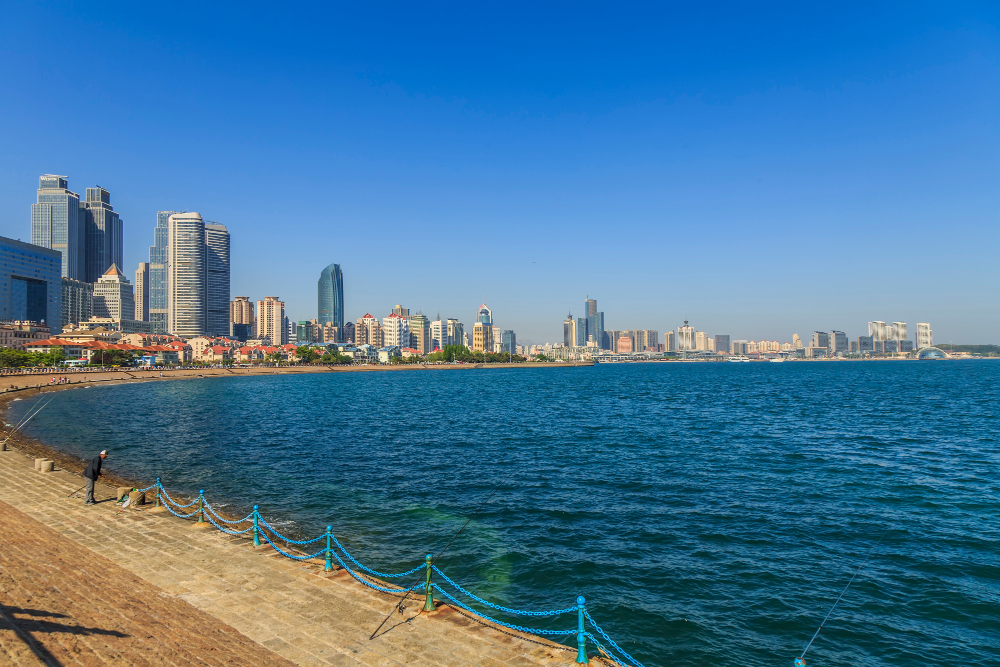
Jeddah is Saudi Arabia's most cosmopolitan city and the historical gateway through which millions of pilgrims have entered the Kingdom for centuries. For non-pilgrim travelers, the primary destination is Al-Balad, Jeddah's historic quarter and UNESCO World Heritage Site since 2014. Al-Balad is a maze of narrow alleyways, coral-stone houses, and traditional souqs that thrived between the 7th and early 20th centuries as the primary port on Red Sea trading routes. The defining architectural feature is the Mashrabiya - intricately carved wooden lattice screens that project from upper-floor windows.
The Nassif House, a sprawling 19th-century merchant mansion with 106 rooms, is among the most significant buildings in the district. The Jeddah Corniche, a 30-kilometre waterfront promenade, provides a pleasant contrast at sunset. Jeddah is also the base for day trips to Taif, the mountain city known as the City of Roses.
Specialist Tip: Walk Al-Balad in the evening rather than midday. Lower temperatures, active souq traders, and illuminated architecture make the evening optimal for both photography and cultural immersion.
The Red Sea Coast: Saudi Arabia's Sustainable Luxury Frontier
The Saudi Red Sea coast represents one of the most ambitious tourism development projects in global history. Red Sea Global is creating a network of island and coastal resorts across 200 islands and 28,000 square kilometres of pristine marine environment, built around a hard conservation mandate: no single-use plastics, 100% renewable energy, and strict coral reef protection. Several properties are already operational, including overwater villas with direct reef access.
NEOM's Sindalah Island has opened as a superyacht marina and luxury island destination featuring a Four Seasons hotel, fine dining, and a marina capable of hosting the world's largest private yachts. The Red Sea's coral reefs rank among the healthiest in the world, with water temperatures averaging 26 to 28 degrees Celsius year-round, making diving and snorkelling viable in any month.
Specialist Tip: Red Sea resort properties require advance reservations of three to six months during peak season. A specialist can confirm availability and coordinate access through the Red Sea International Airport (RSI) directly.
The Asir Region: Saudi Arabia's Green Mountain Escape
Abha, the capital of the Asir region in southwestern Saudi Arabia, sits at approximately 2,200 metres above sea level and experiences a climate entirely unlike the rest of the Kingdom. Summer temperatures (June to September) average 20 to 25 degrees Celsius, making Asir Saudi Arabia's natural summer retreat. The Asir National Park contains hiking trails through green highlands and traditional terraced villages that bear no visual resemblance to the desert Saudi Arabia most travelers imagine.
Al-Soudah, the highest point in Saudi Arabia at approximately 3,015 metres, is accessible by cable car from Abha and provides views across the Tihamah coastal plain to the Red Sea on clear days. The Habala village, built into a sheer cliff face and historically accessible only by rope, is one of the most dramatic inhabited sites on the Arabian Peninsula.
Al-Ahsa Oasis and the Eastern Province
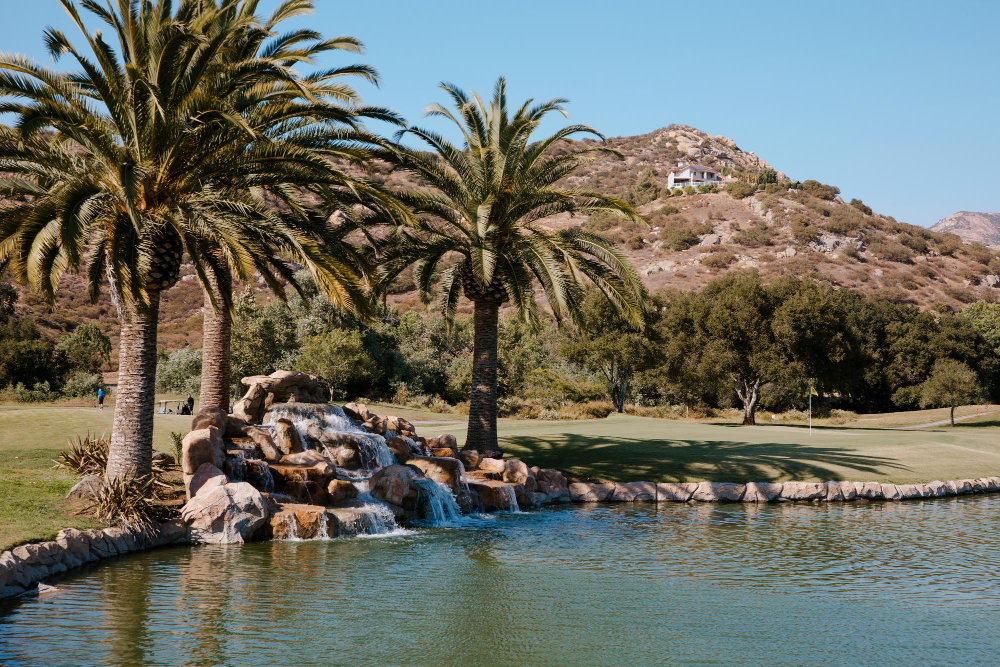
The Al-Ahsa Oasis in the Eastern Province is the largest natural oasis in the world and a UNESCO World Heritage Site inscribed in 2018. Spanning more than 20,000 hectares with over 2.5 million date palm trees, the oasis encompasses natural springs, wind-carved limestone mountains, historic urban fabric, and an agricultural drainage lake. Jabal Al Qarah features caves maintained at approximately 17 degrees Celsius year-round regardless of exterior heat, providing a natural environment of extraordinary stability across 6,000 years of continuous human occupation.
Hajj and Umrah: The Pilgrimage Dimension
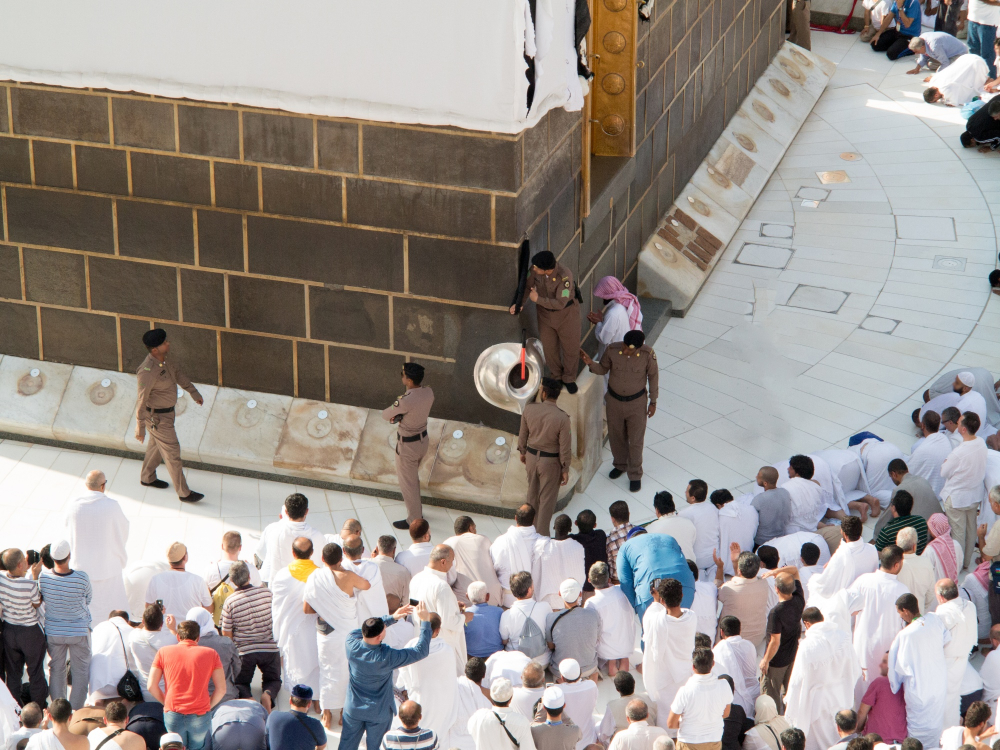
What Is Hajj and When Does It Take Place in 2026?
Hajj is the annual Islamic pilgrimage to Mecca, one of the Five Pillars of Islam and obligatory for every Muslim who is physically and financially capable of performing it at least once in a lifetime. Hajj follows the Islamic lunar calendar. For 2026 (1447 AH), Hajj is expected to take place from approximately 25 to 30 May 2026, subject to official moon-sighting confirmation. The Day of Arafah falls on approximately 26 May 2026.
The five-day ritual sequence covers:
- Day 1 (approx. 25 May): Pilgrims enter the state of Ihram at the Miqat boundary, travel to Mina, and spend the day in prayer and reflection.
- Day 2 - Day of Arafah (approx. 26 May): All pilgrims gather on the plains of Arafat for Wuquf - the standing and supplication that is the central act of Hajj. After sunset, pilgrims move to Muzdalifah for the night.
- Day 3 - Eid al-Adha (approx. 27 May): Pilgrims perform Ramy al-Jamarat (stoning the pillars), offer Qurbani (sacrifice), shave or trim their hair, and perform Tawaf al-Ifadah around the Kaaba.
- Days 4 to 6 (approx. 28 to 30 May): The Days of Tashreeq in Mina. Pilgrims stone all three Jamarat pillars each day and complete the farewell Tawaf before departure.
Hajj 2026 has introduced strict new enforcement measures. The Saudi Ministry of Interior has confirmed penalties of up to SAR 20,000 for anyone performing Hajj without an official permit, alongside deportation and a 10-year re-entry ban for foreign nationals who violate the rules. Only officially authorized pilgrims with valid permits are allowed into Mecca and the holy sites during Hajj season.
What Is Umrah and How Is It Different from Hajj?
Umrah is a voluntary Islamic pilgrimage to Mecca that can be performed at any time of the year, unlike Hajj which is confined to specific dates. Umrah consists of four primary steps: entering Ihram at the Miqat boundary; Tawaf (seven counterclockwise circuits of the Kaaba); Sa'i (walking seven times between the hills of Safa and Marwah); and Halq or Taqsir (shaving or trimming the hair to exit Ihram).
All Umrah pilgrims must obtain a permit through the official Nusuk app before attempting the rituals. Ramadan 2026 ran from approximately 18 February to 19 March, when the Grand Mosque sees its highest non-Hajj visitor numbers. New guidelines required all pilgrims to schedule mosque access digitally through the Nusuk platform to manage crowd flow.
Can Non-Muslims Visit Mecca or Medina?
Non-Muslims are not permitted to enter the city of Mecca under any circumstances. This prohibition is absolute, centuries-old, and actively enforced by road checkpoints on every approach to the city. Penalties for non-Muslim entry include fines, detention, and deportation.
The rules for Medina are more nuanced. Since 2023, non-Muslims have been permitted to visit the city of Medina itself, including its restaurants, hotels, and historic districts. However, the central zone surrounding Al-Masjid an-Nabawi (the Prophet's Mosque) remains restricted to Muslims only. For non-Muslim travelers, Jeddah provides an accessible alternative for understanding the pilgrimage culture.
Vision 2030 and the Giga-Project Pipeline
Vision 2030, the Kingdom's national transformation plan announced in 2016, is the strategic framework that has opened Saudi Arabia to international tourism and is reshaping the country's economic identity. The most relevant manifestations for travelers are the giga-projects:
- NEOM: The approximately USD 500 billion development zone in the northwest, encompassing Sindalah Island (operational with a Four Seasons hotel and superyacht marina), THE LINE, Trojena mountain resort, and Oxagon industrial port.
- Qiddiya: Saudi Arabia's entertainment, sports, and culture hub southwest of Riyadh - with theme parks, AquaArabia, concert venues, and motorsport facilities opening progressively through 2026 and 2027.
- Diriyah Gate: The SAR 64 billion cultural development surrounding At-Turaif UNESCO site in Riyadh. The Bujairi Terrace is already operational for high-end dining.
- Red Sea Project and AMAALA: Red Sea Global's island and coastal resort network with multiple properties operational and full build-out continuing through 2030.
Note: Several NEOM sub-projects including THE LINE have faced documented timeline revisions. Travelers planning trips around individual NEOM openings should verify current status with a specialist before committing itinerary dates.
The Seasonal Calendar: When to Visit Each Region
The best time to visit Saudi Arabia overall is November to February, delivering the most comfortable outdoor conditions across all major regions. Each destination has its own optimal timing.
| Destination | Best Season | Avg Temp | Notes |
|---|---|---|---|
| Riyadh | Nov to Feb | 20 to 25°C | Edge of the World at sunset; Diriyah at night |
| AlUla | Oct to Mar | 15 to 22°C | Book Hegra slots 4 weeks early; cold desert nights |
| Jeddah | Nov to Feb | 24 to 28°C | Al-Balad evening walks; mild coastal weather |
| Red Sea Resorts | Year-round | 26 to 30°C | Diving optimal Nov to Apr; summer manageable with AC |
| Asir (Abha) | Jun to Sep | 20 to 25°C | Counter-season; cool highland escape during hot months |
| Taif | Feb to Apr | 18 to 24°C | Rose harvest and bloom season |
| Al-Ahsa | Oct to Mar | 20 to 28°C | Cave temperatures stable year-round at 17°C |
Traveling during Ramadan (approximately 18 February to 19 March 2026) requires specific adjustments. Public eating, drinking, and smoking during daylight hours carry fines up to SAR 500. Restaurants close during daylight and government offices operate reduced hours. However, Ramadan evenings transform Saudi cities into vibrant night environments with extended shopping, festive Iftar meals, and street markets running past midnight.
Saudi Culture, Customs, and Etiquette
Dress Code for Tourists
- Both men and women must wear modest clothing covering shoulders and knees in all public spaces.
- The abaya is no longer legally required for female tourists - a policy established in 2018.
- Head coverings are not legally required for non-Muslim women in general public spaces, though a scarf should be carried for mosque visits.
- Men should avoid sleeveless tops in public. Knee-length shorts are tolerated in casual settings in Jeddah; long trousers are preferred elsewhere.
- Clothing must be free of provocative slogans or imagery that violates public decency standards.
Social Etiquette
- Address Saudi hosts with "As-salamu alaykum" as an opening greeting; it is widely appreciated.
- When greeting, wait for a Saudi woman to extend her hand before offering yours. If she does not, a polite nod is the respectful alternative.
- Public displays of affection between couples are not appropriate.
- Photography requires permission before photographing individuals, particularly women. Government buildings and military installations should not be photographed.
- During the Friday midday prayer (Jumu'ah), many businesses close. Planning activities around the five daily prayer times shows awareness of the local rhythm.
Saudi Cuisine Essentials
All food served in Saudi Arabia is halal. Pork and alcohol are not available anywhere in the country. Dates with Arabic coffee (qahwa, flavoured with cardamom and saffron) are the customary opening of any social encounter.
| Dish | Description | Where to Find It |
|---|---|---|
| Kabsa | Spiced rice topped with slow-cooked lamb or chicken; the national dish | Nationwide |
| Mandi | Meat and rice slow-cooked in an underground clay oven | Traditional restaurants in Riyadh and Jeddah |
| Jareesh | Crushed wheat and yogurt porridge; common during Ramadan | Heritage and traditional restaurants |
| Hanith | Lamb slow-roasted underground in a traditional pit oven | Asir region and specialty restaurants |
| Masoob | Banana, flatbread, cream, and honey dessert from the Hejaz region | Jeddah and Mecca-area restaurants |
| Kleija | Date-filled traditional cookies served with Arabic coffee | Bakeries nationwide |
| Harees | Wheat and meat stewed to a porridge consistency; a Ramadan staple | Heritage and traditional restaurants |
Practical Information for Saudi Arabia in 2026
Entry and Visas
The Saudi eVisa is available to citizens of 63 or more nationalities, valid for one year with multiple entries and stays of up to 90 days per visit. Travelers must always verify current requirements through official Saudi government immigration channels, as eligibility and documentation requirements are subject to change. Passport validity of at least six months from the date of entry is a standard requirement.
Currency
The Saudi Riyal (SAR) has maintained a fixed peg to the US dollar at approximately 3.75 SAR per USD since 1986. Credit cards are widely accepted at hotels, major restaurants, and retail outlets in Riyadh, Jeddah, and AlUla. Carrying some SAR cash is advisable for traditional souqs, small markets, and tip payments.
Transportation Inside Saudi Arabia
- Domestic flights connect Riyadh (RUH), Jeddah (JED), AlUla (ULH), Abha (AHB), Dammam (DMM), and the Red Sea International Airport (RSI). Saudia, flynas, and flyadeal operate frequent services between hubs.
- The Haramain High-Speed Railway connects Mecca and Medina via Jeddah at speeds up to 300 km/h across a 453-kilometre network. The journey from Mecca to Medina takes approximately 2 hours and 25 minutes. Mecca station access is restricted to Muslims.
- Private transfers are the recommended mode for site access in AlUla, Diriyah, and the Asir region. Uber and Careem operate in major cities.
Safety
Saudi Arabia has a very low violent crime rate and is generally considered very safe for solo travelers, including solo female travelers. The primary practical concerns are weather-related: extreme heat from May to September in the interior, and navigating road conditions in cities where driving patterns differ from Western norms.
Destination Quick-Reference
| Destination | Best For | Ideal Stay | Advance Booking |
|---|---|---|---|
| Riyadh (Diriyah) | History and modern dining | 2 to 3 days | Restaurant reservations |
| AlUla (Hegra) | Ancient heritage and landscapes | 3 days | Hegra permits 4 weeks early |
| Jeddah (Al-Balad) | Coastal culture and UNESCO | 2 days | None for general access |
| Red Sea Resorts | Sustainable luxury and diving | 3 to 4 days | 3 to 6 months in advance |
| Asir (Abha) | Highlands, culture, summer escape | 2 to 3 days | Seasonal; low demand |
| Al-Ahsa Oasis | UNESCO nature and caves | 1 to 2 days | None |
| Taif | Rose farms and mountain culture | 1 to 2 days | Seasonal during rose harvest |
| Sindalah (NEOM) | Luxury marina and water sports | 2 to 3 days | High demand; book early |
Plan Your Saudi Arabia Trip with a Specialist
Knowing the best time to visit Saudi Arabia and the top sites to see is a solid foundation. Knowing how to sequence Riyadh, AlUla, Jeddah, and the Red Sea for your specific travel dates, pacing preference, group size, and budget is an entirely different challenge. Saudi Arabia in 2026 has the additional complexity of a religious calendar that affects logistics across the entire country, giga-project openings that change access month by month, and permit-controlled heritage sites that require advance coordination.
A Begovo specialist who has planned Saudi Arabia itineraries can tell you within a single conversation whether your specific dates fall in the optimal window, whether Hajj season creates any logistical conflict, and what specific adjustments would make the most material difference to your trip quality.
Frequently Asked Questions
Is Saudi Arabia safe for solo female travelers in 2026?
Saudi Arabia is generally considered very safe for solo female travelers in 2026. Violent crime rates are low and the tourism infrastructure is designed to be welcoming to international visitors. Female travelers must adhere to the modest dress code in public, covering shoulders and knees. The abaya is no longer legally required for foreign female visitors, a policy in place since 2018.
Do I need a visa to visit Saudi Arabia in 2026?
Most international travelers need a visa to visit Saudi Arabia. The Saudi eVisa is available to citizens of 63 or more countries, valid for one year with multiple entries and a maximum stay of 90 days per visit. Travelers must verify their eligibility and documentation requirements directly with official Saudi immigration sources, as requirements are subject to change.
Can non-Muslims visit Saudi Arabia?
Yes. Non-Muslims are fully welcome across Saudi Arabia and can visit all major destinations including Riyadh, AlUla, Jeddah, Abha, the Red Sea coast, Medina (city areas outside the Prophet's Mosque central zone), Al-Ahsa, and Taif. The sole absolute restriction is that non-Muslims cannot enter the city of Mecca under any circumstances.
Can I drink alcohol in Saudi Arabia?
Alcohol is prohibited throughout Saudi Arabia. It cannot be purchased, consumed in public, or brought into the country. Travelers must respect this law, as penalties for violation are severe.
What is the best time to visit Saudi Arabia for outdoor activities?
The best time for outdoor activities in Saudi Arabia is November to February, when daytime temperatures across the interior and coast range from 18 to 28 degrees Celsius. For the Asir highlands (Abha, Al-Soudah), June to September offers the most pleasant outdoor conditions due to the region's high elevation and cooler temperatures averaging 20 to 25 degrees Celsius.
When is Hajj in 2026 and how does it affect travel plans?
Hajj 2026 is expected to take place from approximately 25 to 30 May 2026, subject to moon-sighting confirmation. During this period, Jeddah and western Saudi Arabia experience significant congestion, with hotels, flights, and ground transport at near-full capacity. Non-Muslim travelers are advised to avoid Jeddah and the western region during the five core Hajj days and plan arrival or departure for the weeks immediately surrounding the season.
What currency does Saudi Arabia use and is it easy to access money?
Saudi Arabia uses the Saudi Riyal (SAR), which has been pegged to the US dollar at approximately 3.75 SAR per USD since 1986. Credit cards are widely accepted in major hotels, restaurants, and retail outlets across Riyadh, Jeddah, AlUla, and Red Sea resort properties. Cash in SAR is advisable for traditional markets, smaller restaurants, and tipping.
How many UNESCO World Heritage Sites does Saudi Arabia have?
Saudi Arabia has seven UNESCO World Heritage Sites. The four most accessible to international travelers are Hegra in AlUla (inscribed 2008), At-Turaif District in Diriyah (inscribed 2010), Al-Balad in Jeddah (inscribed 2014), and Al-Ahsa Oasis (inscribed 2018). Each represents a distinct layer of the Kingdom's civilizational depth, from Nabataean caravan routes to Ottoman-era coral architecture.

Comments
No comments yet. Be the first to comment.
Leave a comment