The professionals who most need a wellness retreat are almost always the ones who talk themselves out of going. The schedule is full, the team needs them, the quarter is not closed, the timing is wrong. These rationalisations are the symptom of exactly the condition a properly designed retreat exists to address. A wellness retreat for a high‑performance professional is not a spa holiday. It is a structured, diagnostics‑led, privacy‑protected recovery and optimisation program — designed around the specific demands of high‑output professional life. The retreat type, duration, destination, program format, and privacy architecture all require specialist qualification before a single property is selected.
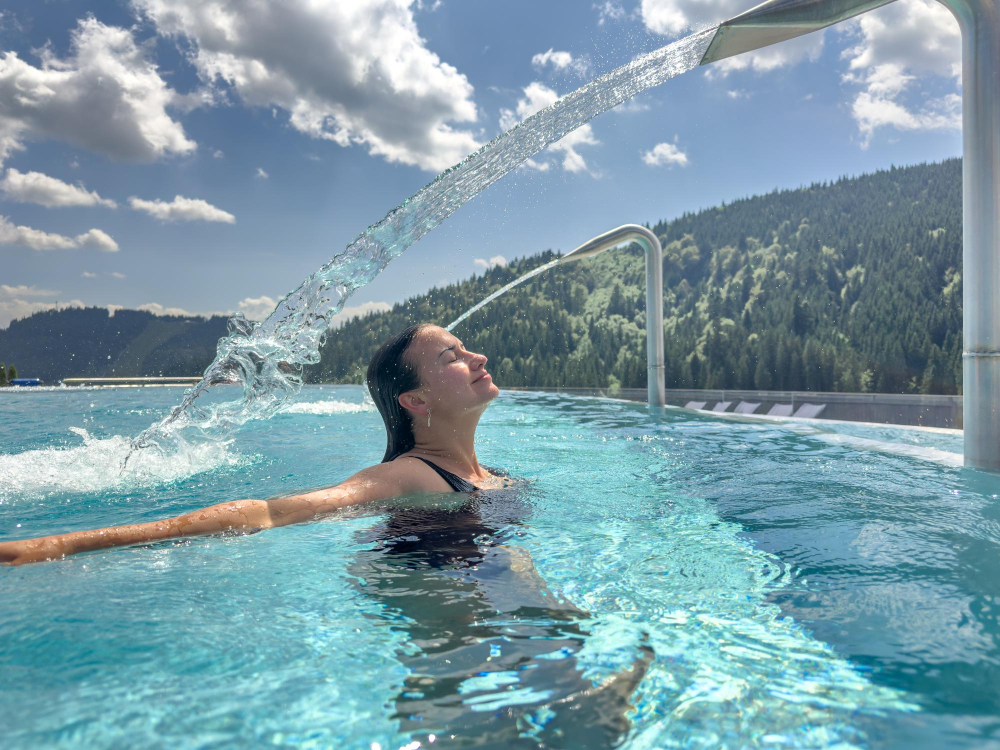
Why Professionals Need a Different Kind of Retreat
The generic wellness market — detox weekends, yoga holidays, hotel spa packages — is designed for the general leisure traveler. A high‑performance professional's requirements differ in four specific ways:
Time compression: A weekend retreat that peaks at Saturday afternoon and deteriorates by Sunday evening is not a sufficient intervention for chronic stress or cognitive fatigue accumulated over months or years. Specialists qualify minimum effective duration before recommending any property — and for genuine burnout recovery, that minimum is typically seven to ten days, not two.
Program sophistication: A spa menu is not a wellness program. A genuine professional retreat includes physiological diagnostics (blood panels, HRV baseline, metabolic assessment), structured program design based on those diagnostics, expert‑led interventions (sleep medicine consultation, nutritional biochemist, somatic therapist), and a post‑retreat protocol for sustaining outcomes on return. Specialists only recommend properties where this distinction holds.
Privacy architecture: High‑profile professionals require a retreat environment where identity and attendance are protected. This rules out large wellness resorts where group programs bring 20–30 strangers together. It means private villas with in‑residence practitioners, small‑cohort executive programs limited to 6–8 participants, or sole‑occupancy retreat estates. Specialists configure this explicitly at the brief stage.
Return on performance: The language of the professional wellness retreat is not "relaxation." It is recovery, recalibration, and sustainable performance extension. Specialists who work with this demographic frame every retreat element in terms of measurable outcomes — sleep quality improvement, cortisol reduction, cognitive restoration, and the point at which a professional returns to their schedule with a credible performance window ahead of them.

Four Retreat Types — Matched to Professional Need
Specialists distinguish between four distinct professional wellness retreat formats:
Burnout Recovery: The deepest intervention level. Designed for professionals experiencing clinical‑level exhaustion, emotional depletion, and decision fatigue. Programs are minimum 7–14 days, led by medical doctors and integrative health practitioners, and include physiological diagnostics at intake. Properties: SHA Wellness Clinic (Alicante, Spain), Vivamayr (Maria Worth, Austria), Lanserhof Tegernsee (Bavaria, Germany). Key elements: HRV monitoring, functional medicine consultation, sleep architecture assessment, digital detox protocol, somatic work.
Peak Performance Optimisation: For professionals who are functioning well but want to systematically improve cognitive performance, physical resilience, and longevity markers. Programs are typically 5–7 days. Properties: Six Senses Ibiza (Recovery biohacking program), COMO Shambhala Estate (Bali, comprehensive performance program), Chiva‑Som (Thailand, performance and longevity track). Key elements: VO2 max assessment, nutrition recalibration, neurofeedback, high‑altitude or thermal therapy, advanced diagnostics.
Leadership and Mental Clarity Reset: For executives whose primary challenge is decision overload, cognitive noise, and loss of strategic perspective rather than physical burnout. Programs are 4–7 days. Properties: Amanjiwo (Java, Indonesia, contemplative immersion), Kamalaya (Koh Samui, Thailand, stress and burnout program), Ananda in the Himalayas (India, Ayurvedic recalibration). Key elements: contemplative practice with an experienced guide, structured silence periods, Vedic or Jungian psychological frameworks, nature immersion.
Longevity and Preventive Health: For high‑net‑worth professionals investing in health span as part of a broader performance strategy. Programs are 5–10 days. Properties: Clinique La Prairie (Montreux, Switzerland, revitalisation program since 1931), SHA Wellness Clinic longevity track, Euphoria Retreat (Mystras, Greece). Key elements: comprehensive blood diagnostics, epigenetic age assessment, IV therapy, cryotherapy, personalised longevity protocols with medical supervision.
Destination and Property Selection Logic
Not every wellness destination serves a high‑performance professional brief. Specialists filter by five criteria: Medical oversight: The property must employ licensed medical doctors, not only wellness coaches and therapists. Burnout recovery and longevity programs require clinical supervision. Specialists verify the medical staffing model before recommending any property in these categories. Program personalisation: Retreat programs must be individually designed based on intake diagnostics, not delivered as group schedules. A generic yoga timetable is not a personalised recovery program. Digital detox architecture: The property must have a clear policy on device use and, ideally, a physical infrastructure (no WiFi in bedroom, device storage at reception, scheduled connectivity windows) that supports rather than just suggests a digital detox. High‑performance professionals cannot self‑enforce; the environment must do the work. Privacy and discretion: Small cohort sizes, NDA‑level staff confidentiality, and a guest‑facing environment where identity is not disclosed to other guests are the specialist's standard privacy requirements for this demographic. Post‑retreat protocol: The best properties include a 30–90 day post‑retreat protocol — nutritional guidelines, sleep schedule, supplementation plan, reintegration support — that extends the program's value beyond the stay itself. This is the single most reliable differentiator between a genuine wellness retreat and a high‑end spa hotel.
.jpg "Forest meditation pavilion")
Leading Properties for Professional Wellness in 2026
SHA Wellness Clinic — Alicante, Spain: SHA is the benchmark European medical wellness clinic for the professional market. Programs begin with a full diagnostic battery (blood analysis, body composition, gut microbiome, hormonal panel) and are built around those results by a team of medical doctors and specialist practitioners. The SHA Method — a synthesis of Eastern and Western medicine — has operated since 2008 and is consistently cited in executive wellness benchmarking. Duration: minimum 7 days for meaningful outcome. Privacy standard: clinical confidentiality protocols throughout. Price tier: from approximately €5,000 to €25,000 per week depending on program intensity.
Clinique La Prairie — Montreux, Switzerland: The oldest and most medically rigorous longevity clinic in Europe, operating since 1931 on the shores of Lake Geneva. The Revitalisation program — a 7‑day comprehensive health assessment and cellular regeneration protocol — remains the gold standard for high‑net‑worth longevity investment. Medical staff hold senior academic appointments at Swiss universities. All programs are private and fully confidential. Price tier: from approximately CHF 25,000 to CHF 60,000 per week for full revitalisation programs.
Vivamayr — Maria Worth, Austria (and London): Vivamayr's Austrian lake clinic specialises in gut‑health‑led regeneration — the diagnostic entry point is a comprehensive intestinal health assessment, and programs are built around restoring digestive and metabolic function as the foundation for cognitive and physical recovery. Internationally favoured by senior executives. Duration: 7–14 days optimal. Price tier: from approximately €4,000 to €15,000 per week.
COMO Shambhala Estate — Bali, Indonesia: The Asia benchmark for specialist wellness at the highest level. Nestled in the Ayung River gorge above Ubud, the Estate operates a residential program (minimum 5 nights) with personal wellness consultations, movement therapy, advanced nutrition, and an on‑site team of international specialists. The jungle setting — no road noise, no urban energy — creates an environment of total sensory withdrawal that clinical properties in European cities cannot replicate. Price tier: from approximately $1,500 to $4,000 per night including program.
Lanserhof Tegernsee — Bavaria, Germany: A clinical retreat in the Bavarian Alps combining modern diagnostic medicine with the Lans Med Concept — a structured detoxification and regeneration methodology developed over decades. Favoured by German‑speaking European executives for its combination of medical rigour and Alpine landscape. Programs from 7 to 21 days. Price tier: from approximately €3,500 to €18,000 per week.
Retreat Types Matched to Professional Need
| Retreat Type | Primary Need | Duration | Example Properties |
|---|---|---|---|
| Burnout Recovery | Exhaustion, depletion, clinical fatigue | 7–14 days | SHA Wellness (Spain), Vivamayr (Austria), Lanserhof (Germany) |
| Peak Performance | Optimise functioning, biohacking, VO2 max | 5–7 days | Six Senses Ibiza, COMO Shambhala (Bali), Chiva‑Som (Thailand) |
| Leadership Reset | Decision overload, cognitive noise, perspective loss | 4–7 days | Amanjiwo (Java), Kamalaya (Thailand), Ananda (India) |
| Longevity | Health span investment, epigenetic assessment | 5–10 days | Clinique La Prairie (Switzerland), SHA Longevity track, Euphoria (Greece) |
How Long Does a Professional Wellness Retreat Need to Be?
Duration is the variable professionals most frequently underestimate. Specialists work from a minimum effective intervention framework: 3–4 days: Sufficient for acute stress reduction and initial nervous system downregulation. Not sufficient for any meaningful metabolic, hormonal, or cognitive restoration. Appropriate only as a quarterly maintenance visit following a full retreat. 5–7 days: The minimum for a Peak Performance or Leadership Reset program. Enough time for diagnostics at intake, three to four full program days, and a structured close with post‑retreat protocols. 7–10 days: The minimum for genuine burnout recovery. The first two days are typically dominated by detoxification symptoms and nervous system adjustment. Recovery depth is only accessible from day three onward. Specialists do not recommend burnout recovery programs shorter than seven days. 14–21 days: The full clinical range for complex cases — adrenal fatigue, severe chronic stress, post‑viral recovery, or longevity programs that include multiple diagnostic cycles. Available at SHA, Vivamayr, Clinique La Prairie, and Lanserhof.
The Specialist Approach to Professional Wellness Planning
A specialist who works with this demographic understands that the brief is not "book a wellness retreat." The brief is: map the professional's current health and cognitive state against available program types; qualify the minimum effective duration based on that state; identify properties where medical oversight, program personalisation, and privacy architecture meet the required standard; build the travel chapter around the retreat — positioning the arrival city, transfer logistics, and post‑retreat decompression night so the professional does not arrive jet‑lagged at intake or rush directly from the retreat to an airport for a transatlantic flight; and prepare the post‑retreat protocol in advance, so the specialist's recommendations are actionable from day one of return. This is a conversation about health, schedule, and outcomes — not a hotel selection. A Begovo specialist approaches it exactly this way. If you are a high‑performance professional considering a wellness retreat and want the right recommendation rather than a list, start with Ask begovo. The conversation takes twenty minutes. The retreat that follows takes care of the rest.
Frequently Asked Questions
What is the difference between a spa holiday and a wellness retreat for professionals?
A spa holiday offers treatments from a service menu in a hotel environment. A professional wellness retreat begins with diagnostics, builds a personalised program around those results, delivers it with licensed medical oversight, and provides a post‑retreat protocol for sustaining outcomes at home. The distinction is clinical rigour and program personalisation versus service selection.
How long does a wellness retreat need to be to make a real difference for burnout?
Specialists recommend a minimum of seven days for genuine burnout recovery, with ten to fourteen days being the medically preferred window. The first two days of any intensive detoxification or recovery program are typically adjustment days — the restoration depth only begins from day three. Programs shorter than five days are insufficient for burnout intervention.
What are the best wellness retreats for executives in 2026?
SHA Wellness Clinic (Spain), Clinique La Prairie (Switzerland), Vivamayr (Austria), COMO Shambhala Estate (Bali), and Lanserhof Tegernsee (Germany) are the five specialist‑grade properties for professional wellness in 2026. Each operates with licensed medical oversight, personalised program design, and privacy standards appropriate for high‑profile individuals.
How does a travel specialist help with a wellness retreat booking?
A specialist qualifies the right retreat type based on the professional's health state, schedules, and objectives — then matches it to properties with the appropriate clinical standards and privacy architecture. They also design the surrounding travel chapter: arrival routing, pre‑retreat decompression, and post‑retreat transition logistics. This prevents the most common professional wellness planning error: arriving depleted from a red‑eye flight, attending an intensive diagnostic program for five days, and returning directly to a board meeting on day six.
Are wellness retreats for professionals tax‑deductible?
In a number of jurisdictions, medically supervised wellness programs can qualify as a health or preventive care expense. This varies significantly by country and corporate structure. Specialists are not tax advisors; we recommend consulting a tax professional on the deductibility question. Several properties (Clinique La Prairie, Vivamayr, SHA) provide medical receipts that support expense claims where applicable.
Can a wellness retreat be combined with a broader travel itinerary?
Yes — specialists recommend building a one‑to‑two‑night arrival decompression chapter before any intensive retreat program, and a one‑night transitional stay after the retreat before the return flight. Pairing a Bali wellness chapter (COMO Shambhala) with two nights in Ubud or Seminyak on either side creates a complete 10‑day travel narrative that includes cultural depth alongside the recovery program.
Ready to take the first step?
Go with Confidence. Ask begovo. The conversation takes twenty minutes. The retreat that follows takes care of the rest.

Comments
No comments yet. Be the first to comment.
Leave a comment