Here is the uncomfortable truth about November: it is the month most travelers talk themselves out of. Summer is over. The big annual trip is behind you. The Christmas calendar is filling up. And somewhere between those two fixed points sits a four-week window that feels simultaneously too late and too soon — too late for the golden autumn, too early to commit to proper winter travel.
That hesitation is costing you some of the best trips of the year.
November is the month Japan's Arashiyama bamboo grove burns gold and crimson without a tour bus in sight. It is when Kyoto's temples look exactly like the photographs but cost a fraction of the spring price. It is when South Africa's game parks are dry, clear, and emptied of summer heat. When Mexico's Oaxacan streets fill with marigold altars and the scent of copal smoke for Día de los Muertos. When Portugal's Algarve coast belongs to the Portuguese again. When the Southern Hemisphere shakes off winter and New Zealand, Patagonia, and Cape Town remember they are extraordinary.
This guide was built to cut through that November ambivalence and replace it with a clear-eyed, destination-specific picture of where the month is genuinely exceptional — and why. You'll find ten destinations profiled in depth, organized by travel style, with specific weather data, crowd patterns, cultural moments, honest warnings, and practical planning advice you can act on today.
The window before December locks everything into holiday mode is finite. Let's use it well.
Why November Is One of the Best Months to Travel — If You Know Where to Go
Most travel guides treat November as a compromise month — the consolation prize between October's autumn and December's festive energy. That framing misses what makes November genuinely exceptional for a specific kind of traveler.
The Crowd Equation Flips
August at the Colosseum means queuing for 90 minutes to shuffle through in a mass of selfie sticks. November means walking in almost directly, spending real time with the Frescoes, and having conversations with your guide that aren't shouted over by ambient tourist noise. The same calculus applies everywhere from Kyoto's Fushimi Inari to Marrakech's medina to Cape Town's Victoria & Alfred Waterfront. Peak season's exit doesn't mean a destination becomes less compelling — it means it becomes more honest.
Visitor data from major European heritage sites typically shows 40–60% lower footfall in November versus July–August. At some Asian destinations the gap is even wider. The experience you actually want — unhurried, genuinely exploratory — becomes accessible.
The Pricing Window Is Real
Hotels don't lower their rates in November out of generosity — they lower them because occupancy falls. For travelers willing to be flexible on exactly which week they go, November regularly delivers 25–40% savings on accommodation compared to peak months at the same properties. Flights to many November travel destinations follow the same pattern: shoulder-season pricing that makes a three-week international trip cost what a ten-day peak-season trip would.
💡 Expert Tip
Book flights to Europe 8–10 weeks out for the best November prices. For long-haul destinations like Japan, South Africa, and New Zealand, 3–4 months ahead captures the sweet spot before holiday booking begins in earnest. Avoid the week of Thanksgiving (US) if your routing connects through American airports — it's the most crowded domestic travel period of the year and creates cascading delays on international connections.
The Southern Hemisphere Secret
Every list of November travel destinations is written by someone in the Northern Hemisphere thinking about the approach of winter. That framing systematically underserves the most obvious solution: go south. November is late spring in Australia, New Zealand, South Africa, Patagonia, and southern Chile. The heat hasn't arrived yet. The crowds haven't either. The landscapes are at their greenest after winter rain. This is the version of these places that residents love and visitors almost never see — and the window closes quickly once December arrives.
New Zealand in November offers hiking trails without January's summer crowds. Cape Town offers whale watching, wildflowers on the Cape Peninsula, and vineyards in full spring flowering at a fraction of December–February pricing. Northern Patagonia's trekking season opens in November with conditions that are often better than the compressed January peak.
The Cultural Calendar Peaks
November compresses an extraordinary range of cultural events into a single month. In the first days: Mexico's Día de los Muertos celebrations, one of the world's most visually spectacular and emotionally resonant cultural festivals, reach their height on November 1–2 in Oaxaca, Michoacán, and Mexico City. Japan's koyo (autumn foliage) season moves south through November, hitting Kyoto and the Kansai region typically between mid-November and early December. Diwali sometimes falls in early November (check the lunar calendar for your travel year), illuminating cities across India, Sri Lanka, and Southeast Asian communities. In the UK, Guy Fawkes Night on November 5th brings fireworks to skies across Britain.
These are not tourist shows — they are living cultural practices that happen to occur in November. Building a trip around one of them gives the month an anchoring intensity that more generically 'pleasant' travel months can't match.
Best Places to Visit in November: Top Destinations by Travel Style
The destinations below were selected because November is specifically good for them — not because they are good destinations generally, but because the combination of weather, crowds, cost, and cultural moment in November is demonstrably better than other months. Each profile includes what the month delivers, who it suits, what not to miss, and what to watch out for.
Culture & History: November Travel Destinations
1. Japan (Kyoto & Nara) — Autumn Foliage at Its Absolute Peak
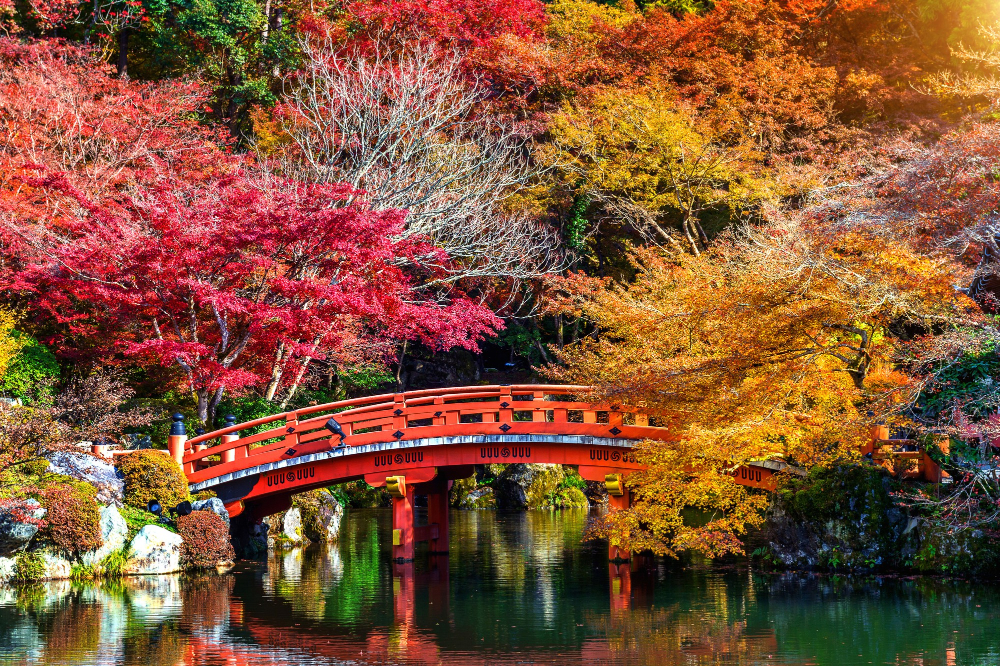
November is the month that defines Japan travel for a significant portion of the world's most experienced travelers, and for good reason. Koyo — the Japanese autumn foliage season — moves south through Honshu during November, typically reaching Kyoto and Nara between mid-November and early December. The transformation is genuinely cinematic: maples ignite in crimson and orange against the grey stone of temple complexes, golden ginkgo leaves carpet the Philosopher's Path, and the entire city operates under a kind of collective seasonal awareness that has no Western equivalent.
What makes November specifically valuable is the contrast with spring's cherry blossom season, which draws twice the tourist volume to the same locations.
🇯🇵 Kyoto & Nara, Japan | Culture · Autumn Foliage
🌡 November Weather: 12–18°C (54–64°F). Crisp, mostly clear. Low rainfall — ideal walking conditions.
👥 Best For: Couples, solo travelers, culture enthusiasts, photographers
★ Don't Miss: The koyo illumination events at Eikan-dō Zenrin-ji and Tōfuku-ji (usually mid–late November). Evening light on the foliage against lantern-lit temple grounds is extraordinary — and requires booking well ahead.
⚡ Consider: Japan in November is still mid-range and expensive. Budget ¥15,000–25,000 per night for mid-range accommodation in Kyoto. The koyo peak is hard to pin down precisely — it varies 1–2 weeks year to year based on temperature patterns.
✦ Why November?
November delivers Kyoto's most dramatic visual moment at significantly lower visitor density than spring. Book accommodation 3–4 months ahead — the koyo season is increasingly well-known and popular ryokan nights fill fast.
2. México (Oaxaca & Mexico City) — Día de los Muertos and Clear Skies
.jpg "Oaxaca Día de los Muertos")
Arriving in Oaxaca on October 31st for Día de los Muertos is one of those travel experiences that genuinely recalibrates your understanding of what cultural immersion means. The festival — observed on November 1st and 2nd — is not a performance. It is a living practice in which families return to cemeteries to share a meal with their deceased relatives, surrounded by marigold-strewn altars, candles, photographs, favorite foods, and the particular mix of grief and celebration that Mexico does unlike anywhere else.
Oaxaca is the best base. The state capital's zócalo (main square) becomes an altar city during the first days of November. The city's indigenous Zapotec tradition makes the observance deeper and more architecturally elaborate than in Mexico City. The surrounding villages — San Pablo Villa de Mitla, San Marcos Tlapazola — offer cemetery ceremonies that are genuinely communal rather than photographed for tourists. After the 2nd, Oaxaca empties back to its shoulder-season self: excellent mole negro at restaurant-market hybrid Mercado 20 de Noviembre, mezcal from family distilleries in the Tlacolula Valley, and ruins of Monte Albán in relative solitude.
🇲🇽 Oaxaca & Mexico City, Mexico | Culture · Festivals · Food
🌡 November Weather: 18–26°C (64–79°F). Dry season has arrived. Low humidity. Excellent daytime conditions.
👥 Best For: All traveler types — solo, couples, families with older children, culture seekers
★ Don't Miss: Spend the evening of November 1st at the Xoxocotlán cemetery, 15 minutes from Oaxaca city centre. The candlelit grave-decorated cemetery is the most atmospheric site in the region — arrive by 8pm and stay past midnight.
⚡ Consider: The 10 days around Día de los Muertos see accommodation prices in Oaxaca spike 50–80%. Book 4–6 months ahead for this window. After November 3rd, prices normalize dramatically.
3. Morocco (Marrakech, Fez & the Sahara) — The Last of the Mild Season
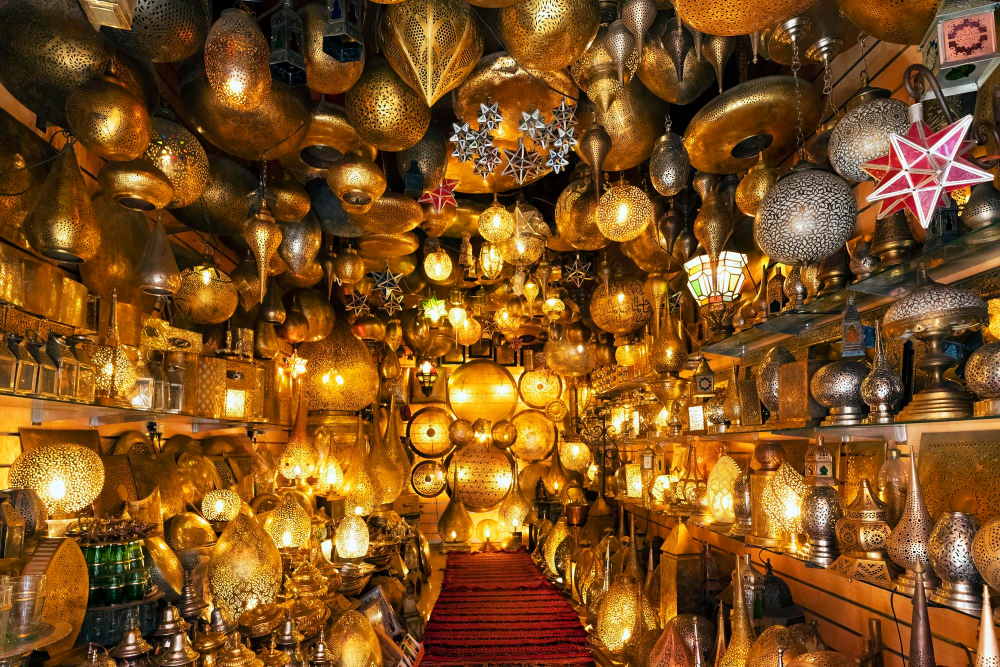
The logic for November in Morocco is straightforward: summer has been too hot (Marrakech regularly hits 38–40°C in July), and January will be cold enough to close mountain passes. November sits in the exact middle — warm enough for djellaba-free medina wandering, cool enough for genuine comfort on a Sahara overnight. Marrakech averages 22°C by day in November. The Souk Semmarine is navigable without heat-induced impatience. The road south to Ouarzazate and the Draa Valley turns amber in November light.
Fez is arguably the better November destination. The medina — the world's most complete functioning medieval Islamic city — is best explored on foot, at pace, over two or three days. In November, the leather tanneries are operating fully and the smell, while intense, comes without July's compounding heat. The Bou Inania Madrasa, the Nejjarine Fountain, the Jewish mellah — all are walkable in November without the planning fatigue that summer temperatures impose.
🇲🇦 Morocco (Marrakech, Fez & Sahara) | Culture · Desert · History
🌡 November Weather: 16–24°C (61–75°F). Very low rainfall. Clear skies. Sahara nights cold (5–10°C) — pack accordingly.
👥 Best For: Solo travelers, couples, culture enthusiasts, budget and mid-range travelers
★ Don't Miss: A two-night Sahara overnight from Merzouga. The light on the Erg Chebbi dunes in November — lower-angle, more golden than July's direct overhead sun — is the best photography light of the year.
⚡ Consider: Morocco's medinas disorient intentionally. Hire a licensed local guide for your first half-day in both Marrakech and Fez — this is not a concession to tourism but a genuine contextual investment that changes what you see.
Adventure & Nature: Best November Destinations
4. South Africa (Cape Town, Winelands & Kruger) — Spring on Two Continents
.jpg "South Africa safari November")
South Africa in November is spring — which in the Cape region means wildflower carpets on the Namaqualand plains, whale-watching from the cliffs at Hermanus, and vineyards at their greenest in Stellenbosch and Franschhoek before the summer harvest. Cape Town itself is warming into beach season without the January crowds or December holiday prices.
In Kruger and the broader Limpopo region, November is the green season's beginning — which sounds like a negative but isn't. Vegetation hasn't yet reached its dense wet-season height, so game visibility remains excellent. Baby season begins in November — impalas, wildebeest, and zebra foals appear in numbers that make November game drives genuinely exceptional for wildlife photography. Kruger's lodges drop rates 20–30% below their dry-season peak, and the park's tourist numbers fall with them.
🇿🇦 South Africa | Safari · Beach · Spring Nature
🌡 November Weather: Cape Town: 18–26°C. Kruger: 22–33°C. Both regions mostly dry and clear in November.
👥 Best For: Adventure seekers, families, couples, wildlife enthusiasts
★ Don't Miss: Whale watching from the cliff path at Hermanus — the final weeks of November catch the tail of the southern right whale season. Budget a full day: arrive early, walk the entire 12km cliff path.
⚡ Consider: The 10-hour drive between Cape Town and Kruger makes combining them impractical without a domestic flight. Build in a full travel day or book a direct Cape Town–Johannesburg leg with a quick transfer. Flight prices are reasonable in November.
✦ Why November?
South Africa's November spring is the hemisphere flip that solves the 'November problem' completely. You're arriving as the country emerges from winter into some of its most visually dramatic weeks — and prices haven't caught up yet.
5. New Zealand South Island — Trekking Season Opens Without the Crowds
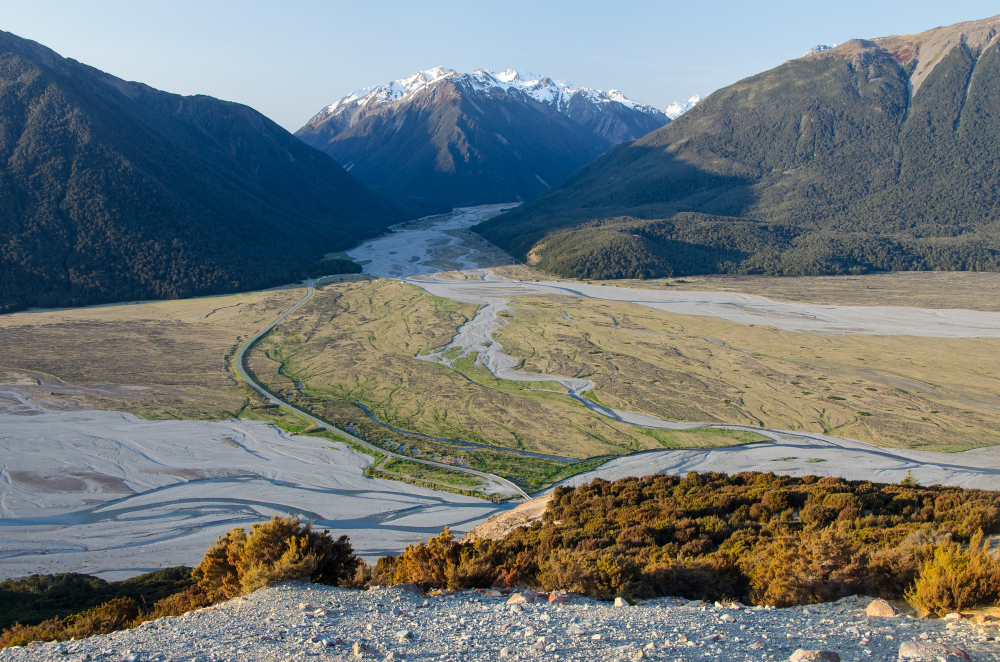
The Milford Track — New Zealand's 'finest walk' — opens its season in late October. By November, the huts are staffed, the tracks are clear, and visitor numbers are a fraction of January's peak. The South Island's lupins (introduced and technically invasive, but visually extraordinary) bloom purple and pink along the Mackenzie Basin throughout November. Mount Cook Village sits at 760m with clear views of Aoraki/Mount Cook and the Ben Ohau Range in weather that's reliably mixed — expect some rain, some extraordinary clarity, and the sense that the landscape is performing for an audience of almost none.
Queenstown's surrounding ski fields close in October, which means the town transitions into its outdoor summer personality in November without the compression of January bookings. Guides are available, gear shops are open, and the Remarkables hiking trails accessible from town provide some of the most dramatic alpine walking in the Southern Hemisphere at a fraction of the effort required for comparable views in Europe.
🇳🇿 New Zealand South Island | Trekking · Nature · Adventure
🌡 November Weather: 14–20°C (57–68°F) in lowlands. Variable — pack for all seasons. Snow is still possible above 1,500m.
👥 Best For: Adventure travelers, solo hikers, couples seeking dramatic landscapes
★ Don't Miss: Book the Milford Track Great Walk hut tickets via the DOC (Department of Conservation) website — they open in June for the following season and fill completely. November has more availability than December but book as soon as possible.
⚡ Consider: New Zealand is not a budget destination. Allow NZD $200–350 per night for mid-range accommodation in Queenstown. Campervan rental is the most cost-effective way to access remote South Island landscapes.
Beach Destinations in November
7. Sri Lanka — Coastal Switch and Dry Season Arrival
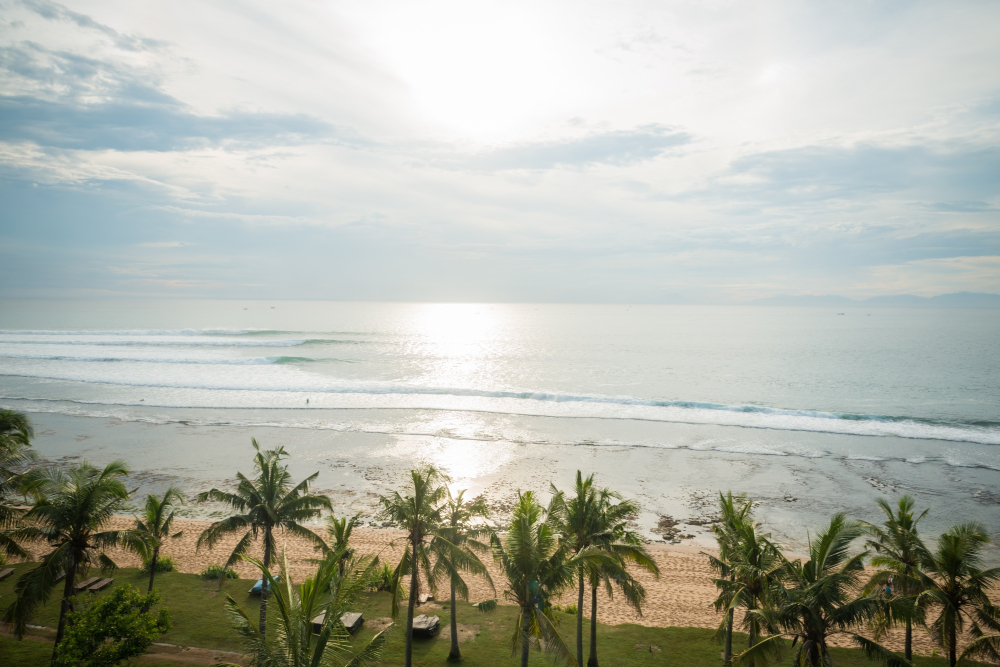
Sri Lanka's weather is governed by two monsoons — the southwestern (June–September) and the northeastern (October–January). This creates a geographic arbitrage that November travelers can exploit: while the southwest coast (Colombo, Galle, Unawatuna) is getting the tail of its wet season, the northeast coast (Trincomalee, Arugam Bay) is entering its dry season. By mid-November, the southwestern coast is also largely dry again, making Sri Lanka a genuine beach destination for most of the month if you position yourself correctly.
But Sri Lanka in November is more than beaches. The Cultural Triangle — Sigiriya, Polonnaruwa, Anuradhapura — is extraordinary in the cooler, dry conditions that November brings. Leopard density in Yala National Park is among the world's highest, and November's reduced rainfall makes game drives more productive than the wet-season alternatives. The train from Colombo to Kandy (via the Hill Country, through tea estates) is one of the world's great rail journeys and runs year-round in spectacular November light.
🇱🇰 Sri Lanka | Beach · Wildlife · Culture
🌡 November Weather: 26–31°C (79–88°F). Check monsoon position by coast — northeast is drier in November than southwest.
👥 Best For: Families, couples, budget and mid-range travelers, wildlife enthusiasts
★ Don't Miss: Leopard spotting in Yala National Park. Sri Lanka has one of the world's highest leopard-to-area ratios — book a private jeep rather than the shared tourist vehicles for significantly better chances of extended sightings.
⚡ Consider: Sri Lanka's roads are slow — a 100km journey can take 3–4 hours. Build generous driving time into any itinerary. The Hill Country train is scenic but rail schedules are often delayed; treat it as a journey rather than a transport solution.
8. Portugal (Lisbon, Porto & the Algarve) — Europe's Last Mild Coast
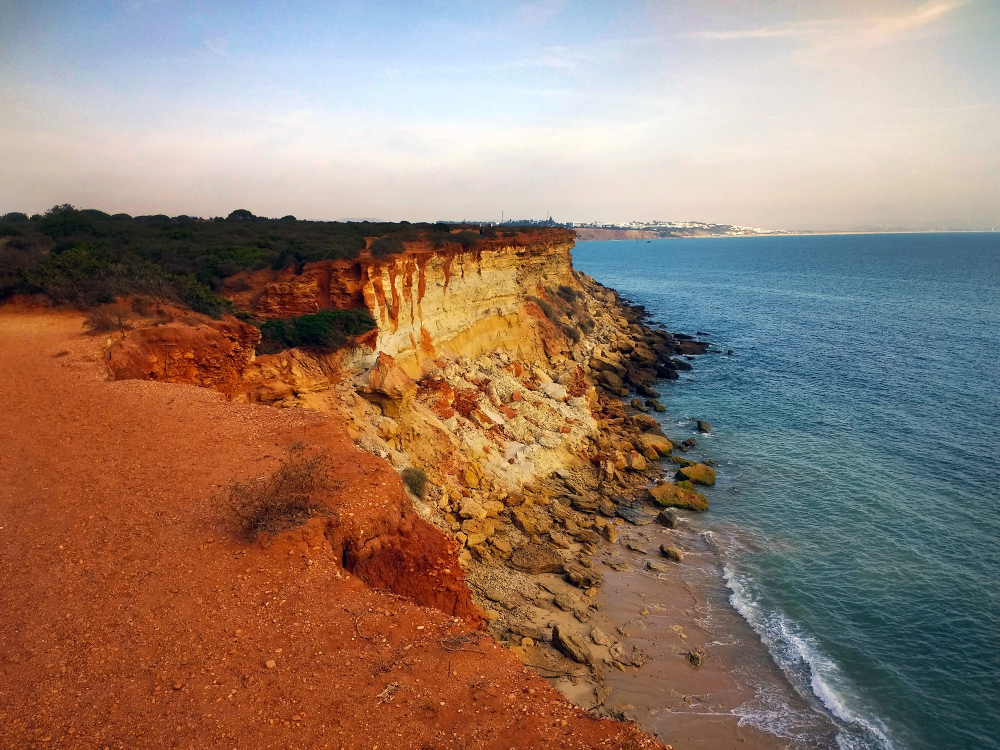
Portugal in November is Europe's most reliable mild-weather proposition. Lisbon averages 14–18°C, with November rainfall typically light and short-lived rather than sustained. The Algarve coast — which in August is gridlocked with Northern European beach tourism — returns to itself in November: the cliff walks between Sagres and Lagos are walkable without the summer heat, the seafood restaurants are serving fresh fish to local regulars, and accommodation prices drop 40–50% from August peaks. The light on the Alentejo plains in November — low-angle, golden, long-shadowed — is extraordinary for anyone who has ever tried to photograph the cork oak landscape in July's harsh midday sun.
Porto in November earns its reputation as a winter city honestly. The rain comes more frequently than in the Algarve, but Porto is built for it: the covered arcades of the Bolhão Market, the Port wine lodges of Vila Nova de Gaia, the bookshop Livraria Lello in relative quiet, the Ribeira waterfront in the particular grey light that the Portuguese call saudade. It is a city that makes sense in autumn in a way it doesn't fully in the scrubbed brightness of summer.
🇵🇹 Portugal (Lisbon, Porto & Algarve) | City Breaks · Coast · Culture
🌡 November Weather: Lisbon: 13–18°C. Algarve: 15–20°C. Porto: 11–16°C. Some rainfall, particularly in Porto.
👥 Best For: Budget travelers, couples, solo travelers, families
★ Don't Miss: The Douro Valley wine harvest is technically October, but November sees the quieter post-harvest period when quinta (estate) cellars open for tastings and the landscape is in its most dramatic copper-toned state before winter.
⚡ Consider: Avoid Portugal's All Saints' Day (November 1st) for major attractions — it's a national holiday and some sites close while others are crowded with domestic visitors. The coast south of Sagres faces Atlantic swells in November — swimming is possible but can be rough.
November City Breaks
9. Sicily (Palermo & the Baroque Southeast) — Ancient Stones, No Queues
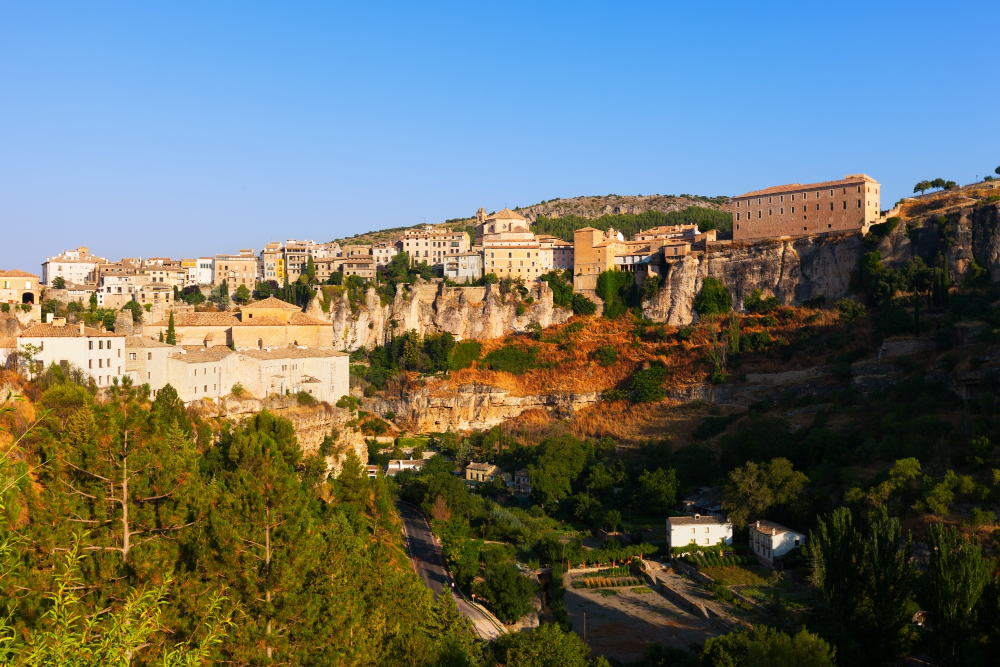
Sicily's November case is blunt: the island's extraordinary archaeological and architectural heritage is fully accessible, the weather is mild enough for extended outdoor exploration, and the tourist volume that makes August in Agrigento's Valley of the Temples feel like a theme park simply does not exist. The Greek temples at Selinunte, Agrigento, and Segesta can be visited at something approaching the pace they deserve — which is slowly, with context, and ideally with a local archaeologist guide who isn't managing forty other people.
The Baroque southeast — Noto, Ragusa Ibla, Modica — is even more compelling in November. The honeyed stone buildings glow in lower autumn light. The Modica chocolate workshops (the city is famous for its Aztec-influenced cold-process chocolate, introduced via Spain in the 17th century) are running at full production. Ragusa Ibla's narrow alleys are walkable without August's compressed heat. The food throughout — arancini, pasta alla Norma, sarde a beccafico — is unchanged by the season and excellent throughout.
🇮🇹 Sicily (Palermo, Noto, Ragusa, Agrigento) | Culture · Food · History
🌡 November Weather: 14–19°C (57–66°F). Some November rain, particularly in the north and west. The South is generally drier.
👥 Best For: Couples, solo travelers, culture and food enthusiasts, budget travelers
★ Don't Miss: Dawn at the Valley of the Temples, Agrigento. The Temple of Concordia — one of the world's best-preserved Greek temples — in early November morning light, with no other visitors visible, is one of Italy's most quietly overwhelming experiences.
⚡ Consider: Internal transport in Sicily requires either a rental car or careful planning around infrequent bus schedules. The island's road quality varies significantly — the A19 motorway is fast, the mountain roads are narrow and require experience.
10. Iceland — Northern Lights Season and Winter Architecture
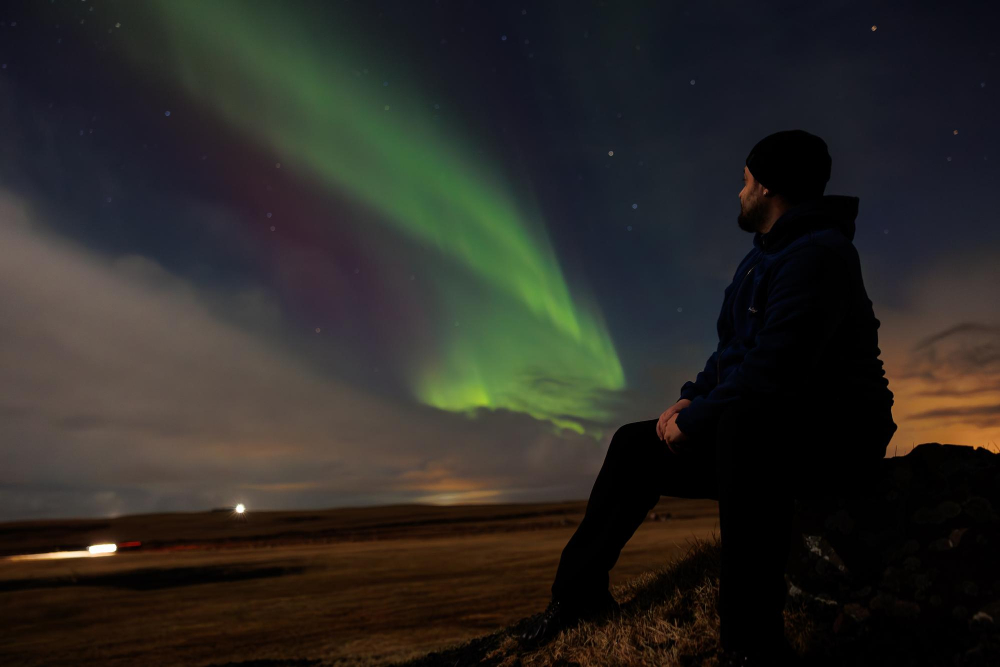
November is one of Iceland's most compelling months for a specific reason: the aurora borealis reaches its best viewing conditions as darkness lengthens through the month. Reykjavik's night sky is significantly better than London's or New York's by any metric, and driving 30–40 minutes outside the capital removes the remaining light pollution. The Icelandic Met Office publishes a Northern Lights forecast that is genuinely reliable — app it before you go and check nightly. Sightings are never guaranteed, but November's 17-hour nights dramatically improve the odds compared to the endless daylight of summer.
Iceland in November is also cheaper than January–February (when Northern Lights tourism peaks) and December (when Christmas pricing kicks in). The Golden Circle is operating without the summer crowds. The Jökulsárlón glacier lagoon — where icebergs calve from the Vatnajökull glacier and drift to the black sand beach — is at its most dramatic in November's low light. Geysir still erupts every 4–8 minutes, regardless of what the Northern Lights are doing.
🇮🇸 Iceland | Northern Lights · Nature · Adventure
🌡 November Weather: 0–5°C (32–41°F). Snow at altitude. Expect ice on roads from November — a 4WD is essential outside Reykjavik.
👥 Best For: Couples, solo travelers, adventure seekers, aurora hunters
★ Don't Miss: Check the Northern Lights forecast every evening and be willing to drive 30 minutes from Reykjavik to darker skies at short notice. The best sightings often come at 10pm–2am on clear nights after a cloudy afternoon.
⚡ Consider: Iceland is one of Europe's most expensive destinations. Budget €200+ per night for mid-range hotels outside Reykjavik. Self-catering and guesthouse accommodation cuts costs significantly. Rental cars need winter tires in November — this is standard in Iceland and most rental companies include them automatically.
November Destination Snapshot: Quick-Glance Guide
Use this table for at-a-glance comparison. 'Nov Value' reflects how specifically well the destination performs in November relative to other months — not its overall quality.
| Destination | Avg Temp | Appeal | Best For | Nov Value | Cost | |
|---|---|---|---|---|---|---|
| Japan (Kyoto) | 12–18°C | Culture, Foliage | Couples, Solo | ★★★★★ | Mid–High | |
| Mexico (Oaxaca) | 18–26°C | Culture, Food | All types | ★★★★★ | Budget–Mid | |
| South Africa (Cape) | 18–26°C | Safari, Beach | Adventure, Families | ★★★★☆ | Mid–High | |
| Portugal (Lisbon) | 13–18°C | City, Coast | Budget, Solo, Couples | ★★★★☆ | Budget–Mid | |
| Morocco | 16–24°C | Culture, Desert | Solo, Couples | ★★★★☆ | Budget–Mid | |
| Sri Lanka | 26–31°C | Beach, Wildlife | Families, Couples | ★★★★☆ | Mid | |
| New Zealand | 14–20°C | Adventure, Nature | Adventure, Solo | ★★★★☆ | Mid–High | |
| Iceland | 0–5°C | Northern Lights | Couples, Solo | ★★★★☆ | High | |
| Sicily | 14–19°C | Culture, Food | Budget, Couples | ★★★★☆ | Budget–Mid |
* Temperatures are averages for mid-November. Highlands, coastal areas, and elevation zones will vary. Always check destination-specific forecasts before travel.
Essential Planning Tips for November Travel
Good November travel doesn't happen accidentally. The month's advantages — lower prices, fewer crowds, more cultural access — are the result of planning decisions made weeks or months earlier. Here is what that planning actually looks like.
Booking Windows: What November Requires
The destinations with the most compelling November cases are also the ones that fill fastest: Japan during koyo season, Oaxaca for Día de los Muertos, and Patagonia for the opening trekking season all require advance booking that runs counter to November's reputation as a 'last-minute' option. The crowd-reduction benefits of November exist because fewer travelers plan this far ahead — don't be one of them.
- Japan (koyo season): Book accommodation 3–4 months ahead. Ryokans in Kyoto's Higashiyama district sell out entirely during peak foliage weeks. If the koyo timing shifts this year (it varies 10–14 days based on temperature), your dates might not overlap with peak color — accept this as a reasonable risk or book the property for flexibility.
- Mexico (Día de los Muertos): Oaxaca accommodation for October 31–November 2 sells out 4–6 months ahead at any quality level. Book this window the moment your travel plans solidify.
- Patagonia: Torres del Paine hut bookings through CONAF open in June–July for the following November season. This is not optional to delay.
- Europe (Portugal, Sicily, Morocco): 6–8 weeks ahead is typically sufficient in November. The shoulder-season advantage means availability is genuinely better — but the best properties in Marrakech and Lisbon fill on weekends even in November.
- Southern Hemisphere (South Africa, New Zealand): 3–4 months ahead for mid-range and above accommodation, particularly in Cape Town and Queenstown. Budget accommodation is more flexible.
Packing for Late Autumn Unpredictability
November's weather across the Northern Hemisphere's most compelling destinations follows a pattern: it is predominantly fine, increasingly cool, and occasionally surprising. The packing error most travelers make is bringing either summer-lite clothing (too light for Kyoto's crisp evenings or Marrakech's cold desert nights) or full winter gear (unnecessary weight for Portugal's mild coast). The solution is deliberate layering — not the concept, but the practice.
- Base layer: A merino wool long-sleeve performs in 10°C Lisbon and 20°C Oaxaca equally well. One or two is sufficient.
- Mid layer: A lightweight down or synthetic insulated jacket packs to nothing and handles everything from Kyoto's temple gardens to Cape Town's Atlantic-facing cliffs.
- Outer layer: A waterproof shell — not a rain poncho, a proper jacket with a hood — handles Morocco's occasional Saharan cold fronts, Portugal's Atlantic showers, and Japan's November rain equally.
- Footwear: One pair of waterproof walking shoes covers 90% of November destinations. Add a pair of sandals for Sri Lanka and Portugal's beach days.
💡 Expert Tip
Research the specific micro-climate of your arrival city, not the country average. Marrakech and Fez are both Morocco but Fez sits at 400m altitude and is significantly cooler. Northern Portugal (Porto) gets twice the rainfall of the Algarve. Kyoto in late November is cold enough at night to warrant a proper coat — not just a layering jacket.
What to Research Before You Depart
- Local public holidays and closures. France, Spain, Italy, Portugal, and most of Catholic Europe observe All Saints' Day on November 1st. Shops, some restaurants, and some attractions close. This is not a crisis — but arriving in a closed Bolhão Market on November 1st when you've built your first morning around it is an avoidable frustration.
- Festival dates that shifted this year. Diwali's date changes annually (it's tied to the lunar calendar). Día de los Muertos is fixed on November 1–2 but the specific community events in Oaxacan villages move. Japan's koyo peak shifts year to year. Check the current year's dates, not those from a guide written two years ago.
- Specific attraction opening hours. November is when some seasonal attractions in Europe close or shift to reduced schedules — particularly in coastal areas where summer operations are scaled back. Check official websites, not aggregator platforms, for November hours.
- Visa requirements. Several of the destinations in this guide require advance visas for certain passport holders — India (if you're transiting for Diwali), Sri Lanka (ETA required online), New Zealand (NZETA required for most non-citizens). These are usually simple online applications but can take 24–72 hours to process.
Currency, Costs & the November Budget Reality
November's shoulder-season pricing is real but uneven. The savings appear reliably in accommodation (typically 25–45% below peak at the same properties) and sometimes in flights (particularly mid-week European routes). They appear less predictably in guided experiences, entrance fees, and restaurant prices, which are generally fixed regardless of season.
Where the November budget stretches most effectively: Europe (particularly southern Europe), Morocco, and Sri Lanka. Where November pricing is similar to peak regardless of season: Japan (which knows its koyo value), Iceland (which is expensive year-round), and New Zealand (where the opening trekking season creates its own demand).
💡 Expert Tip
Use the shoulder-season accommodation savings to invest in one genuinely exceptional guided experience per destination — a private archaeology tour in Sicily, a master mezcal distiller visit in Oaxaca, a private game drive at dawn in Kruger. These are the experiences that distinguish a good trip from a defining one, and the November discount makes them more accessible than at peak pricing.
Stop Waiting for the 'Right' Month — November Is Already It
The best travel decisions are not the ones made in certainty. They are made in the small gap between 'I should think about this more' and the point at which the flights get more expensive and the good accommodation gets booked. That gap, for November travel, is right now.
Japan's koyo season does not repeat. This year's crimson maples at Tōfuku-ji, this year's Día de los Muertos altars in Oaxaca's zócalo, this year's first week of Patagonian trekking with empty trails and the specific green of a landscape just out of winter — these are not archived and retrievable in December. They happen once, in November, in a window that closes reliably.
The travelers who get the most from November are not those who plan perfectly. They are those who decide to go — specifically and committedly — early enough to secure the accommodation, the cultural experience, and the logistical grounding that turns a trip into something remembered for years.
Ten destinations sit above in this guide. Each of them is genuinely better in November than in the months that flank it. Pick the one that speaks to you most directly, act on the planning timeline, and go.
The window before December closes everything into year-end mode is not infinite. It is November. It is, right now, open.
✦ Ready to Book Your November Trip?
Start with your destination choice from the profiles above. Then: (1) check the booking window that applies, (2) secure accommodation before flights — the accommodation is harder to replace, (3) research one anchor cultural experience per destination and book it alongside accommodation. Everything else can follow. The one thing that cannot follow is starting.
Weather data sourced from national meteorological services and WorldWeatherOnline historical averages. Crowd and pricing patterns reflect typical November conditions — individual years may vary. Check your government's travel advisories before booking any international trip.

Comments
No comments yet. Be the first to comment.
Leave a comment