Multi‑generational travel is the most logistically complex category of leisure travel that specialists plan. It is also the most emotionally significant. When three generations travel together — grandparents, parents, and children — the trip carries a weight that a couple's escape or a solo adventure does not. The memories it creates are shared across people who will retell them for decades. Getting it right requires a level of planning precision that no itinerary template, booking platform, or self‑assembled search session can reliably deliver. Revenue from multi‑generational and skip‑generational family travel has more than doubled since 2018, and yacht charter bookings for family groups increased 130% year‑over‑year in 2025, reflecting how much the category has grown. The families driving this trend are not looking for a compromise holiday. They are looking for a trip that works — genuinely works — for a seven‑year‑old, a forty‑two‑year‑old, and a seventy‑year‑old, simultaneously.
Why Multi‑Generational Trips Fail Without Specialist Planning
The failure mode for multi‑generational travel is almost always the same: the trip is planned around a shared destination rather than around the people taking it. The family books a resort because it appears family‑friendly, arrives, and discovers that the children's club operates on a schedule that clashes with dinner, that the activities for teenagers end at 3 PM, that the only accessible tour for grandparents runs at the same time as the only tour the parents wanted, and that the accommodation layout requires grandparents to walk three buildings to reach the children — every time. A specialist approaches the problem from the opposite direction. Before any destination or property is considered, they map the family's composition: ages, mobility requirements, sleep schedules, activity appetite, and the non‑negotiables for each generation. The destination, property, and itinerary structure all follow from that map — not the other way around.
There are three planning layers that specialists manage in multi‑generational travel that self‑planned trips almost always miss:
Layer 1 — Accommodation Architecture: The single most important decision in a multi‑generational trip is not the destination. It is how the accommodation is configured. Interconnecting suites in a single hotel block, a private villa with multiple bedroom wings, or a lodge with separate private sleeping structures around a communal area — each creates a different functional dynamic for a family group. Specialists select accommodation where grandparents are never more than thirty seconds from the children, where a communal dining space exists without requiring a formal restaurant booking, and where private outdoor space allows different age groups to occupy different areas simultaneously without conflict.
Layer 2 — Activity Parallelism: A specialist builds the itinerary so that on any given day, at least two distinct activities can run concurrently without the family feeling split. On a Kenya safari morning: grandparents on the game drive, teenagers on the same vehicle with a junior ranger guiding them separately, and younger children at a dedicated bush activity with a lodge naturalist. At the Amalfi Coast: adults on a private cooking class in Ravello, children at a supervised bocce and pizza‑making activity at the hotel, grandparents reading on a private terrace. Activity parallelism — the ability for each generation to be fully engaged simultaneously — is the structural key to a multi‑generational trip that does not require anyone to sacrifice their experience.
Layer 3 — Shared Peak Moments: Against the backdrop of parallel programming, specialists design three to five shared peak moments that the entire family experiences together — regardless of age. These are the memories that define the trip. A private hot air balloon over the Serengeti at dawn. A private boat to a deserted beach on the Adriatic. A private after‑hours access to the Colosseum at dusk. These moments require advance specialist access, cannot be booked on standard platforms, and are the experiences every family member will describe for the rest of their lives.

Destination Selection Logic for Multi‑Generational Travel
Not every destination works for multi‑generational travel. The specialist filters are: accessibility infrastructure, age‑range activity spread, accommodation configuration options, and healthcare proximity. Destinations that consistently meet specialist criteria for multi‑generational luxury travel include Kenya for private conservancy safaris, Italy for villa living on the Amalfi Coast or in Tuscany, Japan for its accessibility and cultural depth, the Maldives for private resort islands, and Greece for private villa rentals in the Cyclades or Ionian Islands. Each destination passes the test of serving a seven‑year‑old and a seventy‑year‑old simultaneously without compromise.
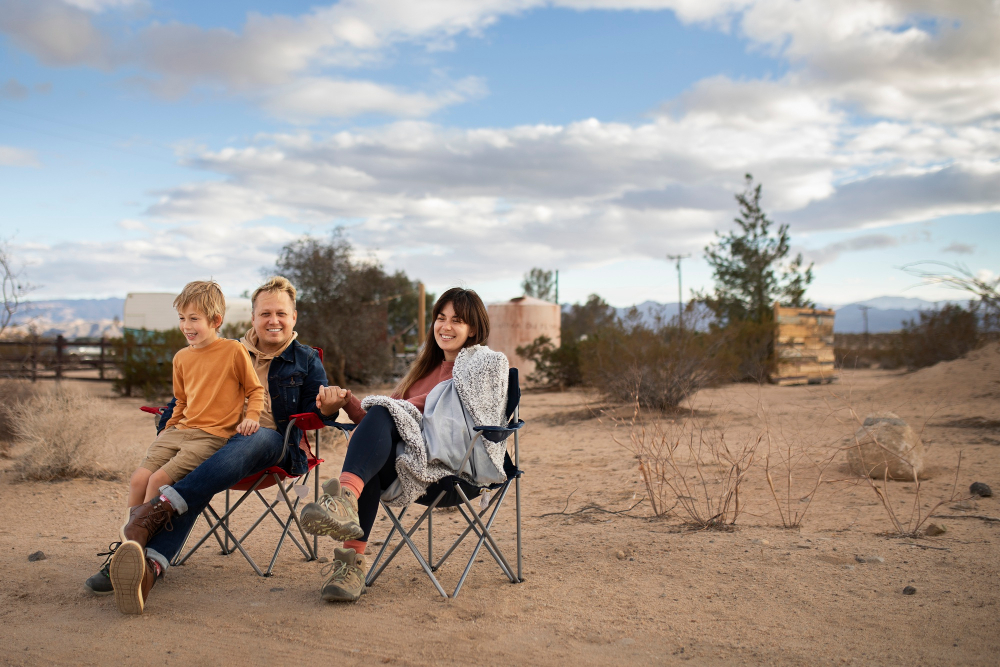
Designing Activities That Work Across Age Groups
| Generation | What They Need | Examples Specialists Include |
|---|---|---|
| Young children (3–10) | Safety, engagement, novelty, proximity to parents | Junior naturalist programs (Kenya), bocce and pasta‑making (Italy), sandcastle with snorkelling (Maldives), Pokémon experiences (Japan) |
| Teenagers (11–17) | Independence, mild adventure, peer‑relevant experiences | Surfing lessons, junior ranger tracking, kayaking, cooking class competitions, snorkelling with guides |
| Adults (30–55) | Quality, depth, private time, meaningful shared moments | Private cultural tours, cooking classes, wine tastings, spa time, adult‑only dinner reservation |
| Grandparents (60+) | Accessibility, comfort, meaningful engagement, pace control | Guided slow walks, private tea ceremonies, calligraphy, opera or cultural performances, villa‑based mornings |

Accommodation Architecture: The Critical Decision
Specialists consistently identify accommodation configuration as the single greatest differentiator between a multi‑generational trip that works and one that fragments into logistical friction. The specialist standard for 8–16 person family groups: private villa rental is the preferred format — a single residential property with private pool, communal dining, and resident staff. Private conservancy lodges in Kenya and Tanzania can be bought out for exclusive family use. Interconnecting hotel suite blocks work for families who prefer the hotel format. Each option places grandparents within seconds of children and removes the lobby‑and‑restaurant friction that hotel environments inherently create.
The Specialist Conversation for Multi‑Generational Travel
Multi‑generational travel requires a different kind of brief. Before a specialist can begin designing, they need to understand ages of every traveler, mobility or dietary requirements, the occasion, budget clarity across generations, non‑negotiable experiences for each generation, the shared peak moments the family wants to anchor the trip around, and the dates and flexibility window. This is a conversation, not a form. A Begovo specialist works through these questions with you before building a single day of the itinerary. The output is a trip that does not require anyone to compromise — because compromise was designed out of it at the planning stage.
If your family is considering a multi‑generational trip and you want to understand how this works in practice, start with Ask begovo. Tell the specialist who is coming, and let the planning begin from there.
Frequently Asked Questions
What makes luxury multi‑generational travel different from a standard family holiday?
Scale, configuration, and planning precision. A multi‑generational trip involves three or more generations with genuinely different physical needs, activity appetites, and schedules. Luxury multi‑generational travel is designed so every generation is fully engaged, fully accommodated, and able to share peak moments together without anyone compromising their experience. This requires specialist‑level planning rather than a resort booking.
How does a specialist handle different age groups on one trip?
Specialists build activity parallelism — concurrent programming so that different generations can participate in age‑appropriate experiences simultaneously, then converge for shared peak moments. A specialist also selects accommodation where all generations are physically proximate (private villa, lodge buyout, interconnecting suites) rather than distributed across a large property.
What are the best destinations for multi‑generational luxury travel in 2026?
Kenya (private conservancy safari), Italy (private villa in Tuscany or Amalfi), the Maldives (private resort island), Japan (ryokan and cultural immersion), and Greece (Cyclades or Ionian Islands villa) are consistently the strongest specialist choices. Each meets the criteria of accessibility, age‑range activity spread, and accommodation configuration options simultaneously.
How much does luxury multi‑generational travel cost?
Costs vary significantly by destination, group size, and accommodation format. A private villa in Tuscany for 10 guests ranges from $3,000 to $8,000 per night depending on season and property. A private Kenya conservancy camp buyout ranges from $3,000 to $12,000 per night. Per‑person costs are frequently lower in private buyout formats than equivalent individual room bookings at a premium hotel.
Is a private villa or a resort better for a multi‑generational group?
For most multi‑generational groups, a private villa is the specialist's first recommendation. It removes the logistical friction of a hotel environment (restaurant reservations, shared pool access, lobby navigation) and creates a single shared home that all generations inhabit together. Resorts are better suited for very large groups or destinations where villa infrastructure is limited.
What is skip‑generational travel and is it different from multi‑generational travel?
Skip‑generational travel involves grandparents and grandchildren traveling together without the parents' generation. It is a growing niche within multi‑generational travel and requires specific planning: the activities must work for both older adults and young children, and the accommodation and supervision logistics need to be addressed explicitly at the planning stage. A specialist manages this as a distinct brief.
Ready to plan a trip that works for everyone?
Go with Confidence. Ask begovo. Tell the specialist who is coming, and let the planning begin from there.

Comments
No comments yet. Be the first to comment.
Leave a comment