Quick Answer
El Nido and Coron serve fundamentally different travel instincts within the same province. Choose El Nido if your priorities are beaches, lagoon kayaking, dramatic above-water scenery, and a social evening scene. Choose Coron if your priorities are wreck diving, freshwater lake swimming, a quieter atmosphere, and more natural diversity per day. Do both if you have 12 days or more and want the full arc of Palawan without compromising either destination. Do not try to combine them in 7 days if you want to experience either well. The transit alone, a 3.5 to 5 hour ferry or a short flight, costs a full day when you add transfer logistics on each end.
Palawan is the Philippines' most celebrated province, and it presents most travelers with a decision they did not expect to have to make. El Nido and Coron are both in Palawan. They are both spectacular. They are 277 kilometres apart and separated by 3.5 to 4+ hours of ferry water. They look similar on a map. They are not the same experience.
El Nido's defining quality is its lagoons: geological formations carved into the limestone karst of Bacuit Bay, accessed by outrigger boat and explored by kayak, where turquoise water sits enclosed by vertical cliffs that cut the light into patterns that look staged. Coron's defining quality is its wrecks: twelve Japanese warships sunk by US Navy air raids on September 24, 1944, now resting at depths ranging from 3 metres of snorkeling clearance to 40-metre technical dives, colonized by coral and soft-light marine life.
That difference, lagoons versus wrecks, above water versus below it, social versus solitary, first-timer versus returning diver, is the framework this guide uses to settle the question. Ask begovo to map a Palawan routing that matches your specific travel profile and available days.
Quick Answer: The Core Distinction
El Nido and Coron serve fundamentally different travel instincts within the same province.
- Choose El Nido if your priorities are beaches, lagoon kayaking, dramatic above-water scenery, and a social evening scene.
- Choose Coron if your priorities are wreck diving, freshwater lake swimming, a quieter atmosphere, and more natural diversity per day.
- Do both if you have 12 days or more and want the full arc of Palawan without compromising either destination.
- Do not try to combine them in 7 days if you want to experience either well. The transit alone, a 3.5 to 5 hour ferry or a short flight, costs a full day when you add transfer logistics on each end.
El Nido: Lagoons, Limestone, and the Four Tours
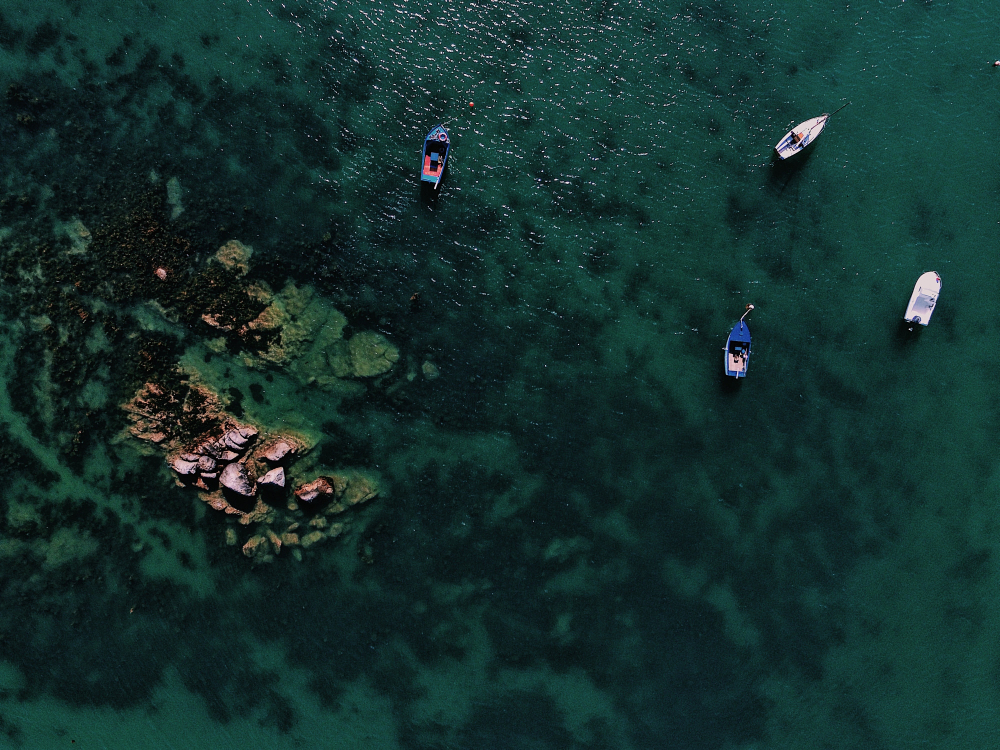
El Nido sits at the northern tip of Palawan mainland, looking out over Bacuit Bay, a 36-island archipelago where dramatic limestone karst formations rise from the Sulu Sea. The town itself is small, dense, and concentrated on a single beach road, with accommodation ranging from backpacker guesthouses to boutique hotels and the premium island resorts of El Nido Resorts (Miniloc and Lagen Islands, part of Ten Knots).
The Four Island Hopping Tours
El Nido's island hopping is structured into four government-permitted route categories, each operating in a different part of Bacuit Bay. Understanding the differences matters, they are not interchangeable, and booking the wrong one based on a photo you saw online is the most common planning mistake in El Nido.
Tour A — The Lagoon Circuit (Most Popular): Tour A covers Big Lagoon (kayak-access), Small Lagoon, Secret Lagoon, Shimizu Island, and Seven Commando Beach. This is the headline itinerary, the one that produces the photographs that made El Nido famous, and it is also the most crowded. Shared joiner boats are capped in group size, but they all arrive at Big Lagoon and Secret Lagoon at similar times. Private speedboat tours reach the same stops but allow you to be first in and last out, which makes the difference between a solitary kayak experience and a congested one.
Tour B — Caves and Unusual Formations: Tour B covers Entalula Beach, Cathedral Cave, Cudagnon Cave, and a sandbar stop. Less visual than Tour A but more historically and geologically interesting. The cave formations at Cathedral Cave are among the most distinct in Palawan, and the sandbar stop has a naturally theatrical quality that Tour A does not.
Tour C — Hidden Beaches and the Shrine: Tour C covers Hidden Beach, Secret Beach, Matinloc Shrine, and Helicopter Island. The dramatic high-cliff section of Bacuit Bay, with Secret Beach accessible only by swimming through a narrow rock opening. Tour C delivers the most cinematic scenery in the four-tour system and is often better appreciated by repeat visitors who want something beyond the lagoon circuit.
Tour D — Cadlao Island and Quiet Lagoons: Tour D explores Cadlao Lagoon and the beaches of Cadlao Island, the largest island in Bacuit Bay. The quietest of the four tours, with lower visitor volumes and a more unhurried pace. Well-suited for couples, repeat El Nido visitors, and travelers who find Tour A too heavily trafficked.
El Nido Beyond the Tours
The island hopping is what most visitors come for, but El Nido's terrain extends above water too. Taraw Cliff, a technical climb above El Nido town, takes 2 to 3 hours and delivers a panoramic view of Bacuit Bay that shows why the geography is what it is. The San Fernando Cathedral in Poblacion and the Saturday market give the town a life beyond the beach road. Nacpan Beach, accessible by tricycle in about 45 minutes from El Nido town, is a 4-kilometre white-sand stretch that gives the alternative to crowded town beaches.
Evening scene: El Nido has a social evening dimension that Coron largely does not. The beach road holds a reasonable concentration of restaurants and bars, and the energy on a December or January evening is noticeably livelier than Coron's town center.
Accommodation: Boutique hotels and guesthouses populate El Nido town. For private island luxury, El Nido Resorts (Miniloc Island and Lagen Island) are the premium anchor properties, private islands in Bacuit Bay with exclusive dive programs, overwater facilities, and access to routes not available to day-tour operators.
Coron: Wrecks, Lakes, and a Different Kind of Palawan
Coron is technically located on Busuanga Island in the northern Calamian group, about 277 kilometres by water from El Nido. The town is smaller and quieter than El Nido. The pace is slower. The accommodation mix skews toward divers: liveaboard operators, dive-focused resorts, and a smaller boutique hotel scene than El Nido's beach road.
The WWII Shipwrecks
On September 24, 1944, US Navy carrier-based aircraft executed Operation Musketeer in Coron Bay, sinking approximately twelve Japanese naval vessels in a single engagement. Those wrecks are now among the most complete and accessible WWII dive sites in the world, sitting at varying depths that accommodate every certification level.
Key wrecks include:
- Akitsushima: A 114-metre seaplane tender at 25 to 38 metres depth, with an intact crane mechanism still visible.
- Kyokuzan Maru: A 137-metre cargo vessel with penetrable holds, at 20 to 28 metres.
- Skeleton Wreck: One of the shallowest accessible wrecks, with steel ribs exposed above the hull and excellent snorkeling without diving certification needed.
- Irako: A refrigerator ship at 30 to 42 metres, one of the most visited sites by certified divers for its scale and detail.
- Lusong Gunboat: Extremely shallow, the hull emerges above water at low tide, making it accessible without fins for snorkelers.
For non-divers: the Skeleton Wreck, Lusong Gunboat, and Lusong Coral Garden are all safely explored at snorkel depth. Coron's wreck sites are not exclusively a diver's domain.
Kayangan Lake and the Freshwater Experience
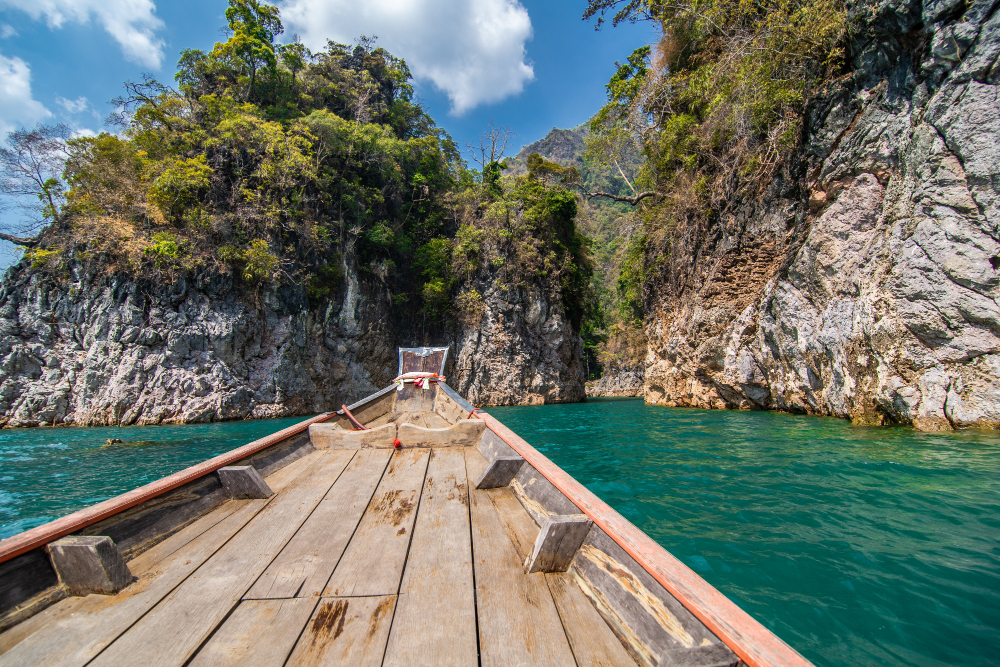
Kayangan Lake is consistently rated among the cleanest lakes in Asia, enclosed by limestone walls above and with a thermocline, a distinct warm/cold water boundary, below the surface. Access requires a short uphill walk from the boat landing, passing a lookout point that is one of the most photographed views in the Philippines. The lake itself sits in a karst bowl that feels geometrically improbable.
Twin Lagoon and Barracuda Lake round out Coron's freshwater and brackish water circuit. Barracuda Lake has a thermocline at approximately 15 metres, where cold freshwater and warm saltwater meet, creating a disorienting but extraordinary diving experience for certified divers.
Coron's Island Hopping
Coron's island hopping is typically structured around one of several packaged routes that combine wreck snorkeling, lake visits, and coral gardens. Unlike El Nido's Tour A to D system, Coron's routes are less standardized and vary more between operators. The "Ultimate Island Hopping" day tour typically includes Kayangan Lake, Twin Lagoon, Siete Pecados Marine Sanctuary (a shallow snorkeling spot near Coron town), and a coral garden. Divers can pair wreck dives with afternoon island hopping or buy dedicated dive packages.
Travel Logistics: Getting There and Between
Getting to El Nido
El Nido is served by the Lio Airport (also known as San Vicente/Lio Airport), located approximately 15 to 20 minutes from El Nido town. Domestic flights operate from Manila (primarily via AirSWIFT, a private carrier, which commands a premium over the low-cost carriers). Cebu and Clark are also served on certain schedules. The alternative from Manila is to fly into Puerto Princesa (roughly 80 minutes, multiple daily flights on Cebu Pacific and Philippine Airlines), then take a 5 to 6 hour van transfer north to El Nido. Some travelers prefer the longer overland route for the Palawan landscape it passes through; others find it too time-consuming.
Getting to Coron
Coron is served by the Francisco B. Reyes Airport in Busuanga, approximately 45 minutes from Coron town. Cebu Pacific and Philippine Airlines operate flights from Manila. Budget travelers sometimes take a multi-hour bus and ferry combination from Manila via Batangas Port, though this is significantly slower.
Getting Between El Nido and Coron
This is the critical logistics decision for anyone trying to combine both.
| Method | Travel Time | Approximate Cost | Notes |
|---|---|---|---|
| Fast ferry (Phimal) | ~3.5 hours | ~PHP 1,760 to 4,000 (~$30 to 72 USD) | Departs El Nido 8:20 AM, weather-dependent |
| Fast ferry (Montenegro) | ~3.5 hours | ~PHP 1,760 (~$30 USD) | Departs El Nido at 12:00 PM daily |
| Passenger-cargo ship | ~4 to 14 hours | ~PHP 2,400 to 2,600 (~$40 to 43 USD) | Weekly Wednesday departure; slow option |
| Domestic flight | ~40 min flight, ~2 hrs total | Higher variable cost | Fastest option; limited schedule |
Ferry services between El Nido and Coron are weather-dependent. During the Habagat (June to October), cancellations are frequent and often occur with same-day notice. If you are building a combined itinerary with hard return flights, scheduling the El Nido to Coron leg mid-trip (rather than as the final leg before departure) is the only responsible structure.
El Nido vs Coron: Side-by-Side
| Feature | El Nido | Coron |
|---|---|---|
| Primary experience | Lagoon and beach island hopping | WWII wreck diving, freshwater lakes |
| Best for | Beach lovers, first-timers, honeymooners, social travelers | Divers, nature seekers, returning visitors |
| Above-water scenery | Outstanding (Bacuit Bay karst) | Excellent (Coron Island limestone) |
| Diving | Good reef diving; no wrecks | World-class WWII wrecks |
| Snorkeling | Good at tour stops | Good at shallow wrecks and Siete Pecados |
| Evening scene | Livelier restaurant and bar scene | Quieter; town-focused |
| Crowding level | Higher, particularly Tour A | Lower, more spread out |
| Accommodation range | Guesthouses to private island resorts | Dive resorts to boutique hotels |
| Minimum recommended stay | 3 to 4 nights | 3 to 5 nights (divers benefit from extra days) |
| Weather (dry season) | Nov to May | Nov to May |
| Access | Lio Airport or Puerto Princesa + van | Busuanga Airport |
Which One Is Right for You?
Choose El Nido if:
- You want to experience Palawan for the first time with beach, lagoon, and snorkeling as the core.
- You are on a honeymoon or romantic trip and want the combination of dramatic scenery, boutique island resorts, and social evenings.
- You have 4 to 7 days focused on one destination.
- You do not dive or are not interested in making diving the center of the trip.
Choose Coron if:
- Diving, particularly WWII wreck diving, is the primary reason for your Philippines trip.
- You want freshwater lake experiences (Kayangan, Barracuda, Twin Lagoon) as a natural complement to marine activity.
- You prefer a quieter, less crowded destination with a more authentic town feel.
- You are a returning Philippines traveler who has done El Nido before.
Do both if:
- You have 12 days or more in Palawan.
- You can build a buffer day into the El Nido to Coron transit to account for potential ferry cancellation or schedule misalignment.
- You are willing to use one direction of the route by flight (40 minutes) to save a full day.
- You accept that "doing both" means 3 to 4 nights each, which delivers a genuine experience of both rather than a rushed surface-level visit.
The honest 10-day math: A 10-day trip with 3 nights in Manila, 3 nights in El Nido, and 3 nights in Coron leaves one transit day. That is technically feasible but operationally tight, any delay (weather, flight cancellation) compromises the whole structure. A 12-day version with 4 nights each is the minimum that allows for recovery time.
Practical Information
Best time for both: November through May is the dry season for all of Palawan, including El Nido and Coron. December through February is peak season with highest prices and fullest resorts. April and May offer comparable conditions at lower demand. June through October brings Habagat conditions: rain, rough seas, and ferry cancellations on the El Nido to Coron route.
Permits and fees: El Nido charges an environmental fee (Ecotourism Development Fee) of approximately PHP 200 per person, required for all island hopping tours. Kayangan Lake in Coron has a separately managed entrance fee. Both towns charge a tourism development fee at accommodation level, typically built into resort pricing. Always verify current fees directly with local operators.
Currency: Philippine Peso (PHP). Cash is the primary payment method for island hopping operators, boat hire, guides, and smaller restaurants. While larger resorts accept cards, always carry sufficient PHP for day-to-day activity payments.
Connectivity: Both El Nido and Coron have mobile data (predominantly Globe and Smart networks), but signal can be patchy in remote parts of each island. Offline maps downloaded before arrival are a practical standard.
Most travelers who search "El Nido vs Coron" are not just researching two destinations. They are designing a trip, and the comparison is the decision point that determines whether they come back satisfied or not. The most consequential planning error is underestimating transit time and over-scheduling. The second most consequential is not knowing which tour routes in El Nido match the experience they are actually looking for.
A Begovo specialist's value in this specific context is translating your travel profile into a routing recommendation before anything is booked, and then making the bookings in the right sequence, including private access to El Nido Resorts' island properties and priority berths on the El Nido to Coron ferry during peak season when they fill weeks in advance. Ask begovo to design a Palawan routing that gives you the right version of this destination, not just any version of it.
Continue Reading
For the timing dimension of your Palawan planning, the regional weather breakdown in our Philippines seasonal guide explains exactly when to go and what each month means for ferry safety and island hopping reliability:
Frequently Asked Questions
Which is better, El Nido or Coron?
Neither is objectively better, they serve different travel instincts. El Nido is the superior choice for beach and lagoon experiences, dramatic above-water scenery, and a livelier social environment. Coron is the superior choice for WWII wreck diving, freshwater lake swimming, and a quieter atmosphere. The right answer depends entirely on what the trip is for.
Can you visit both El Nido and Coron in one trip?
Yes, but it requires a minimum of 12 days in Palawan to experience both properly, with a buffer built in for the El Nido to Coron transit. The ferry takes approximately 3.5 to 5 hours depending on sea conditions and operator, and cancellations during the wet season (June to October) are common enough to require scheduling flexibility.
How do you get from El Nido to Coron?
The two main options are fast ferry and domestic flight. Fast ferries (Phimal and Montenegro Lines) depart daily and take approximately 3.5 to 4 hours, with fares ranging from PHP 1,760 to PHP 4,000 per person depending on operator and booking date. A domestic flight takes approximately 40 minutes but involves airport transfers on both ends, bringing total travel time to around two hours.
Which is better for a honeymoon, El Nido or Coron?
El Nido edges ahead for most honeymooners due to its more developed luxury accommodation options (particularly El Nido Resorts' private island properties), more scenic lagoon environment, and livelier evening atmosphere. Coron suits couples who prioritize underwater experiences or specifically want the quieter, more remote feeling that comes from a destination with lower visitor density.
What are El Nido's Tour A, B, C, and D?
These are four government-defined island hopping route categories in El Nido, each covering a different part of Bacuit Bay. Tour A is the most popular, visiting Big Lagoon, Small Lagoon, Secret Lagoon, Shimizu Island, and Seven Commando Beach. Tour B covers caves and an unusual sandbar. Tour C visits Hidden Beach, Secret Beach, Matinloc Shrine, and Helicopter Island. Tour D explores Cadlao Island and its quieter lagoon, typically with lower crowd levels.
Is Coron worth visiting if I don't dive?
Yes. While diving is Coron's flagship activity, non-divers access the wreck sites by snorkeling (the Skeleton Wreck and Lusong Gunboat are particularly accessible), and the freshwater lake circuit, Kayangan Lake, Twin Lagoon, Barracuda Lake, is not dive-dependent. Coron's island hopping also includes coral garden stops that rival any snorkeling in Palawan.

Comments
No comments yet. Be the first to comment.
Leave a comment