Quick Answer
A 10-day Philippines trip works best when you commit to one geographic focus. The Palawan-first route covers El Nido and Coron with 3 nights and 2 nights respectively, connected by the El Nido to Coron fast ferry. The Visayas-first route covers Cebu and Bohol, connected by the 2-hour OceanJet ferry, and works well for travelers entering or exiting through Cebu's international airport. Extending to 14 days allows combining Palawan with Siargao or the Visayas with El Nido. The key rules: count transit days as transit days, never book the El Nido to Coron ferry before an international flight, and book domestic flights 4 to 6 months ahead for peak season.
The Philippines has 7,641 islands. You will not see them in 10 days, and any itinerary that pretends otherwise is the reason so many first-time visitors come home exhausted rather than satisfied.
What 10 days does allow, if the routing is honest, is a thorough, unhurried experience of one clearly defined geographic focus. You can do Palawan well. You can do the central Visayas well. You can combine them strategically in 14 days. What you cannot do is add Siargao, Banaue, Boracay, and a Manila cultural day to either of those structures without turning the trip into a domestic flight schedule rather than a holiday.
This guide gives you two routing logics, one Palawan-first, one Visayas-first, built around real travel times, real ferry schedules, and real decisions about what gets left out and why. Then it shows exactly how four extra days change the equation. Ask begovo to validate your dates against the routing before committing to flights.
Before You Build Any Itinerary: Three Rules That Protect the Trip
Rule 1 — Count transit days as transit days. A 3.5-hour ferry from El Nido to Coron departs at 8:20 AM and arrives mid-morning. That day is not an "activity day." It is a transit day with some afternoon exploration at best. Budget it accordingly.
Rule 2 — Never book the El Nido to Coron ferry as the last move before an international flight. Weather cancellations during Habagat season (June to October) are frequent and happen the morning of, not a week ahead. If the international flight is in Manila and the last domestic leg is the El Nido to Coron ferry, a single bad weather day collapses the entire departure structure.
Rule 3 — Domestic flight availability in the Philippines is not like Europe. Some routes, particularly Manila or Clark to El Nido, are served by a small number of carriers with limited seat inventory. Booking 4 to 6 months ahead for peak season is not early; it is standard. Waiting until 6 to 8 weeks out to confirm domestic flights after booking an international ticket is how travelers end up rebuilding their itinerary from scratch.
Itinerary 1: Palawan First (10 Days)
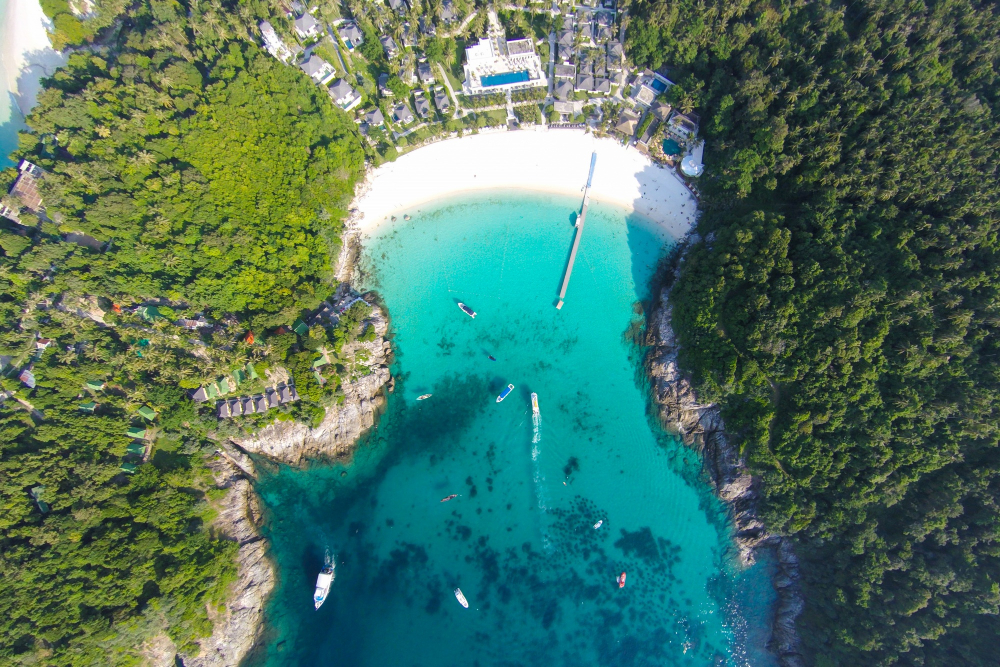
This routing gives Palawan, specifically El Nido, the depth it deserves. Three nights in El Nido and two nights in Coron are not generous; they are the minimum that makes both destinations meaningful rather than rushed.
How it flows: Manila arrival → El Nido (direct flight) → Coron (ferry) → Manila (flight out from Busuanga Airport)
Day 1 — Manila
Land at Ninoy Aquino International Airport. If the international flight arrives in the morning or early afternoon, Manila's BGC (Bonifacio Global City) or Makati neighborhoods offer an easy first evening without requiring significant planning. The Fort Santiago fortress and Intramuros are within reach for afternoon arrivals. Manila is a functional overnight before the domestic connection, not a wasted day, but it is not a destination that needs more than one night in a 10-day structure unless heritage architecture or food-focused city experiences are specifically the point.
Day 2 — El Nido Arrival
Fly from Manila (or Clark Airport, 1.5 hours from NAIA, which is now the primary AirSWIFT hub for Clark to El Nido direct service) to El Nido Airport (Lio). Flight time is approximately 1 hour 30 minutes. Afternoon arrival in El Nido allows time to check in, orient to Bacuit Bay, walk the beach road, and confirm tour bookings for the following days. Do not rush into an island hopping tour on arrival day, the boat schedules depart early morning, and arriving mid-afternoon without gear sorted leaves the afternoon half-wasted anyway.
Day 3 — El Nido Tour A
Tour A, Big Lagoon, Small Lagoon, Secret Lagoon, Shimizu Island, Seven Commando Beach, is the correct first day on the water in El Nido. It is the most popular route for a reason: the lagoon kayaking at Big Lagoon between vertical limestone walls is the experience that defines El Nido for most visitors. Book private speedboat for the lagoon access if the budget allows, joiner boats at Big Lagoon stack up at the entrance, while private boats time the arrival to get there first. This is not a premium preference; it materially changes the experience of the lagoon itself.
Day 4 — El Nido Tour C or Tour D
Tour C (Hidden Beach, Secret Beach, Matinloc Shrine, Helicopter Island) delivers the most dramatic cliff scenery in the four-tour system and pairs well after Tour A's lagoon focus. Tour D (Cadlao Island, Cadlao Lagoon) is the quieter alternative, correct for anyone who found Tour A crowded and prefers the lower-density experience. Afternoon: Taraw Cliff climb above El Nido town for a panoramic view of Bacuit Bay, best done in the late afternoon when heat has dropped.
Day 5 — El Nido Rest and Preparation
A structured rest day in El Nido is not wasted time. Nacpan Beach, a 4-kilometre white sand stretch accessible by tricycle (approximately 45 minutes each way), gives a very different, uncrowded beach experience from the tour circuit. This day also serves as the weather buffer: if Day 3 or Day 4 tours were cancelled or disrupted, Day 5 is the recovery.
Day 6 — Ferry to Coron
The Montenegro Lines or Phimal fast ferry departs El Nido at 8:20 AM (Phimal) or 12:00 PM (Montenegro). Travel time is 3.5 to 5 hours depending on sea conditions. Arriving in Coron by midday or afternoon: check in and then the Maquinit Hot Spring (a saltwater hot spring approximately 7 km from Coron town, the only accessible saltwater hot spring in Asia) is the correct late-afternoon activity, low-effort, genuinely good after the boat crossing, and open until evening.
Day 7 — Coron Island Hopping (Lakes Circuit)
Coron's standard island hopping tour combines Kayangan Lake, Twin Lagoon, Siete Pecados Marine Sanctuary (snorkeling), CYC Beach, and Atwayan Beach. Kayangan Lake is the anchor: the uphill walk from the boat dock gives you the lookout photo, and the lake itself, with its thermal layers and limestone bowl, is a different experience from El Nido's seawater lagoons. Full day on the water.
Day 8 — Coron Wrecks (Diving or Snorkeling)
For certified divers: Akitsushima, Kyokuzan Maru, or Irako, the major WWII wrecks, require a full day with a dive operator who includes at minimum two tank dives per trip. For non-divers or snorkelers: the Skeleton Wreck is accessible at the surface, Lusong Gunboat sits shallow enough to see clearly without fins, and Lusong Coral Garden is a productive snorkeling stop. This is Coron's unique offer, nothing in El Nido replicates it.
Day 9 — Fly Manila from Busuanga
Coron/Busuanga Airport (Francisco B. Reyes) is approximately 45 minutes from Coron town. Cebu Pacific and Philippine Airlines operate direct flights to Manila. Afternoon arrival in Manila allows a final evening in the city before departure.
Day 10 — Depart Manila
Itinerary 2: Visayas First (10 Days)
This routing prioritizes the central Visayas, Cebu and Bohol, over Palawan, and is the correct choice for travelers who want more cultural texture, less reliance on weather-sensitive island hopping, and a destination set with more activity diversity per day. It also works better for travelers whose international flight enters or exits Cebu (Mactan-Cebu International), eliminating the Manila overnight entirely.
How it flows: Manila or Cebu entry → Cebu (2 nights) → Bohol (3 nights) → Cebu → fly out
Day 1 — Manila or Direct Entry to Cebu
Manila to Cebu takes approximately 1.5 hours by air on multiple daily Cebu Pacific and Philippine Airlines services, with early morning departures from 7 AM making a same-day continuation viable. Travelers routing through Manila the day before their Cebu flight can use the Manila overnight for Intramuros and BGC. Travelers flying directly into Cebu (Mactan-Cebu) from international hubs such as Singapore, Kuala Lumpur, Dubai, or Tokyo skip Manila entirely.
Day 2 — Cebu City and Surroundings
Cebu City has more cultural density than most Philippines travel guides credit. Magellan's Cross (planted in 1521 by Ferdinand Magellan's expedition), the Basilica Minore del Santo Niño (the oldest Roman Catholic church in the Philippines, built 1565), and the Heritage of Cebu Monument occupy the city's historic center within walking distance of each other. For food-focused travelers, the Sugbo Mercado night market and the lechon tradition, spit-roasted whole pig considered the best in the Philippines by many chefs, anchor a reliable culinary evening.
Day 3 — Moalboal or Kawasan Falls
Two strong options for the second Cebu day, and the choice depends on the traveler profile. Moalboal, approximately 90 minutes south of Cebu City, hosts one of the most accessible sardine run encounters in the world, a column of millions of sardines that wheels and pulses in formation 20 metres offshore from the beach, snorkeled rather than dived, year-round. Kawasan Falls, further south, is the base for the Kawasan Canyoneering route, a four-to-five-hour canyon descent through swimming holes, cliff jumps, and river passages, widely considered the best canyoneering experience in the Philippines.
Day 4 — Ferry to Bohol
OceanJet and SuperCat fast ferries run from Cebu Pier 1 to Tagbilaran Port, Bohol, departing from 5:10 AM to 6:40 PM, with a crossing time of approximately 2 hours. Multiple daily departures make a morning crossing straightforward. From Tagbilaran, transfer to Panglao Island (connected by bridge) for accommodation. Panglao's Alona Beach is the main beach concentration; the island also has its own dive sites including Balicasag Island's coral walls and thresher shark encounters at Cabilao Island.
Day 5 — Bohol Countryside: Chocolate Hills and Tarsiers
The Chocolate Hills, a geological formation of approximately 1,268 symmetrical limestone hills spread across Carmen municipality in the interior of Bohol, are on Bohol's UNESCO Tentative List and are the island's most photographed landmark. The viewing area at Carmen sits at the top of a short climb and gives a 270-degree view of the hills extending to the horizon. The Philippine Tarsier Sanctuary in Loboc is the ethically run encounter site (as opposed to the roadside tarsier handlers); tarsiers are nocturnal primates with eyes larger than their brain, and the sanctuary's free-range environment is the correct setting for viewing them without the welfare problems of captive handling. Loboc River Cruise for lunch connects the two stops into a comfortable full day.
Day 6 — Bohol Water Day
Balicasag Island, a 20-minute boat ride from Alona Beach on Panglao, is a protected marine sanctuary with vertical coral walls, schools of jacks, and sea turtle encounters at the turtle sanctuary area. A morning boat trip to Balicasag and an afternoon at Panglao Beach balances activity and rest without over-scheduling. Dolphin watching (spinner dolphins are common in the waters between Panglao and Pamilacan Island) can be folded in as a morning activity before the Balicasag dive or snorkel.
Day 7 — Bohol Rest and Buffer
This is a deliberate pace day: slow morning, local exploration of Tagbilaran market if timing aligns, afternoon at the resort. It functions simultaneously as a weather buffer, a recovery day after three full activity days, and a planning day for the Cebu return logistics.
Day 8 — Return to Cebu and Departure Preparation
Take the morning ferry back to Cebu (Tagbilaran to Cebu fast ferry, 2 hours, multiple departures from 5:50 AM). If the international departure is from Cebu (Mactan), this day is a clean arrival and city evening. If departing from Manila, the afternoon Manila flight (Cebu to Manila, 1.5 hours) positions cleanly for a departure the following morning.
Days 9 to 10 — Depart from Cebu or Manila

Extending to 14 Days: What Four Extra Days Actually Change
Four extra days do not simply add more destinations to a 10-day trip. They change what kind of trip it is.
The Palawan route extended to 14 days: Add Siargao as a standalone segment. Fly from Coron via Manila or Cebu to Sayak Airport (Siargao), 45 minutes from General Luna town by road. Two nights in Siargao is a minimum; three nights is correct for surf season visitors (September to November) who want time at Cloud 9 and the island hopping circuit to Naked, Daku, and Guyam Islands. The extended routing becomes: Manila → El Nido (3 nights) → Coron (2 nights) → Siargao (3 nights) → Manila. This structure adds one domestic flight (Busuanga or Cebu Pacific connection to Sayak) and keeps the whole trip internally logical, westward Palawan, then eastward to the Pacific coast.
The Visayas route extended to 14 days: Add Palawan, specifically El Nido, as a focused three-night segment. The routing becomes: Cebu → Bohol → Cebu → fly to El Nido (via Manila or Clark) → 3 nights El Nido → fly Manila → depart. This gives a trip that spans both the central Visayas cultural circuit and the defining Palawan lagoon experience, without attempting Coron on top of it. The honest 14-day compromise is: do El Nido or Coron, not both, when coming off a five-day Visayas base.
What 14 days still cannot accommodate: Adding Banaue rice terraces (a 9 to 10 hour bus journey from Manila through the Cordillera, or a flight to Cauayan plus transfer) to either 14-day structure is not viable unless the traveler dedicates the full Manila bookend to it and eliminates one beach destination. Banaue is the right decision for travelers whose trip is specifically culture-first; it is the wrong add-on for a beach-anchored itinerary that already has a full domestic routing schedule.
Domestic Routing Reference
| Route | Carrier | Time | Notes |
|---|---|---|---|
| Manila → El Nido (Lio Airport) | AirSWIFT (via Cebu Pacific) | ~1h 30m | Departs Manila T4 and Clark; book 4 to 6 months ahead for peak season |
| Busuanga (Coron) → Manila | Cebu Pacific, PAL | ~1h 20m | Standard fare; multiple daily departures |
| Manila → Cebu | Cebu Pacific, PAL | ~1h 30m | High-frequency trunk route; good availability |
| Cebu → Bohol (ferry) | OceanJet, SuperCat | ~2h | Departs Pier 1, Cebu City; up to 16 daily departures |
| El Nido → Coron (fast ferry) | Phimal, Montenegro | ~3.5 to 5h | Weather-dependent; peaks June to October cancellation risk |
| Cebu → Sayak (Siargao) | Cebu Pacific | ~1h | 1 to 2 daily departures; book early for surf season (Sep to Nov) |
| Manila → Sayak (Siargao) | Cebu Pacific | ~2h with Manila hub | Limited direct schedule; Cebu connection common |
Planning Logistics: What International Travelers Need to Know
Visa: Citizens of the UK, US, most EU member states, and GCC countries (UAE, Saudi Arabia, Qatar, Kuwait, Bahrain, Oman) enter the Philippines visa-free for up to 30 days, extendable to 59 days at the Bureau of Immigration. Always verify current conditions with official Philippine embassy sources before booking.
Currency: Philippine Peso (PHP). Card acceptance is broad in Manila, Cebu City, and large resort areas; cash is essential for boat operators, ferries, entrance fees at reserves and monasteries, tricycle transfers, and any activity booked locally. ATMs in El Nido town and Coron are limited and occasionally offline, withdraw sufficient PHP in Manila or Puerto Princesa before heading to remote island hubs.
Connectivity: Globe and Smart are the two primary mobile networks. Data coverage is adequate in El Nido town, Coron town, and Cebu City. Remote areas, inter-island ferries, and the boat routes between islands have intermittent or no signal. Download offline maps (Google Maps works; Maps.me is useful as a backup) before leaving each hub.
Health: Both Palawan and the Visayas have areas with dengue mosquito risk; insect repellent with DEET and long sleeves at dusk are standard. Sun protection for full-day boat tours is non-negotiable, the equatorial sun on open water is more intense than it appears, and UV-blocking rash guards are broadly used by experienced Philippines travelers. The Philippines does not require malaria prophylaxis for the main tourist islands, but verify with a travel health professional based on your specific routing, as Palawan's remote areas carry a different risk profile than Cebu or Bohol.
Anyone can sketch a 10-day Philippines route by connecting dots on a map. What a Begovo specialist does differently is build the route around what is actually available on your specific travel dates, which domestic flights have seat inventory, which resorts in El Nido have availability for the nights you need, whether the El Nido to Coron ferry runs reliably during your window, and which island hopping operators run genuinely private boats versus calling their shared-boat tour "semi-private."
The Philippines rewards specificity. The same ten days, built on the right internal logic, produces a materially better outcome than the same ten days arranged in the wrong sequence, the wrong season, or with the wrong activity anchor. Ask begovo to take your dates, your priorities, and your travel profile and turn the routing into a confirmed itinerary.
Continue Reading
Before finalizing dates, the regional weather breakdown in the Philippines seasonal guide explains exactly what each month means for ferry reliability and island hopping conditions in Palawan, Bohol, and Siargao:
When Is the Best Time to Visit the Philippines?
If the 10-day Palawan routing has raised the El Nido vs Coron question in more detail, the full destination comparison answers every trade-off including which tour routes to prioritize and how the transit between the two works:
Frequently Asked Questions
Is 10 days enough for the Philippines?
Yes, if you choose one geographic focus and commit to it. Ten days is enough for a thorough Palawan itinerary (El Nido and Coron) or a thorough central Visayas itinerary (Cebu and Bohol). It is not enough for both, plus Siargao, plus Manila sightseeing. The most common 10-day Philippines regret is over-scheduling rather than under-exploring.
What is the best 10-day Philippines itinerary for first-timers?
The Palawan-first routing (Manila → El Nido → Coron) gives first-timers the highest-impact introduction to the Philippines in 10 days, it covers the country's most celebrated scenery without requiring the cultural depth of a Visayas-heavy itinerary that benefits from prior context. The Visayas routing is the better choice for travelers who want a mix of city culture, inland scenery, and beach, rather than pure beach and lagoon focus.
How many islands can you realistically visit in 10 days?
Two to three island destinations is the realistic ceiling for a 10-day trip, assuming 2 to 3 nights minimum per destination and honest accounting of transit time. Trying to visit four or five distinct islands in 10 days means spending the majority of the trip in airports, ferries, and hotels checking in and out, rather than in the places you came to see.
How do you get from Manila to El Nido?
The fastest and most practical option is a direct flight from Manila (Terminal 4) or Clark Airport to El Nido's Lio Airport, operated by AirSWIFT (now under Cebu Pacific). Flight time is approximately 1 hour 30 minutes. The alternative is flying from Manila to Puerto Princesa (approximately 1 hour 20 minutes on multiple carriers) and then taking a 5 to 6 hour van transfer north to El Nido. Book the direct El Nido flight as early as possible, seat inventory is limited, particularly during the December to May peak season.
What is the best 2-week Philippines itinerary?
For most travelers, the 14-day Philippines itinerary that balances variety with depth is: Manila (1 night) → El Nido, Palawan (3 nights) → Coron (2 nights) → Cebu (2 nights) → Bohol (3 nights) → Manila (1 night) → depart. This routing covers Palawan's lagoon and wreck circuit plus the Visayas cultural and nature combination, with realistic transit time built in at each stage.
Can you combine Palawan and Siargao in 10 days?
Technically possible but not recommended as a first Philippines trip. El Nido, Coron, and Siargao in 10 days leaves 2 to 3 nights maximum per destination after accounting for transit days, not enough to experience any of them properly. Palawan plus Siargao works well in 14 days; the 10-day version should commit fully to one.

Comments
No comments yet. Be the first to comment.
Leave a comment