Quick Answer
Planning a trip to the Philippines requires understanding three things before you book anything: realistic costs, how domestic transport actually works, and how many islands you can genuinely visit in your available time. Budget travelers can manage $25 to $45 USD per day in-country; mid-range travelers should budget $60 to $100 per day. Domestic flights are the primary mode of inter-island transport, and they cost more in cumulative impact than most first-timers expect. The correct island count for a 10-day trip is two to three destinations; attempting more produces a trip where 30 to 40 percent of days are spent in transit. Book El Nido and Siargao domestic flights 3 to 5 months in advance for peak season. This guide covers everything else.
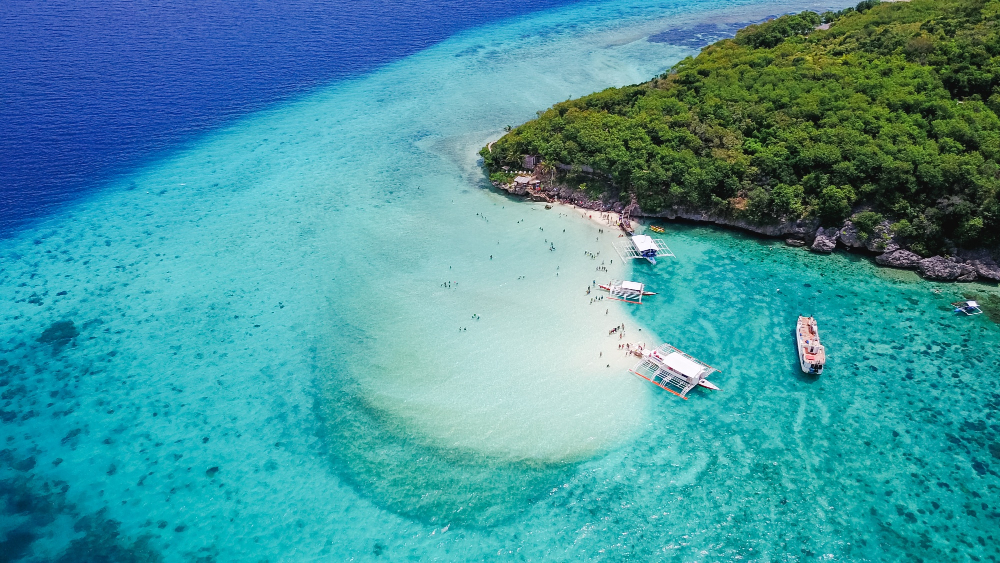
The Philippines has more than 7,600 islands. That number is quoted in almost every Philippines travel article ever written, and it does more damage to trip planning than almost any other single fact in Southeast Asian travel.
Because the number makes travelers ask the wrong question: how many can I see? Rather than the right one: which combination makes a trip that actually flows?
The Philippines is not difficult. Flights are cheap, food costs are among the lowest in the region, the ocean is extraordinary, and the people are genuinely welcoming to foreign travelers. What makes it hard is the inter-island logic: every island requires a separate transport decision, weather patterns vary significantly by location and month, and the cost of getting between islands can quickly exceed the cost of staying on them. A self-planned itinerary that tries to cover five destinations in 10 days typically produces a trip where 30 to 40 percent of the total days are in transit.
This guide exists to prevent that. It covers realistic budget bands, how domestic transport actually works, the correct island count for each trip duration, and the five planning mistakes that produce bad Philippines trips regardless of budget. Ask begovo to validate your current itinerary before committing; the most common planning errors are invisible until you map them against actual transport options and weather windows.
Setting Your Budget: What a Philippines Trip Actually Costs in 2026
The Philippines is one of the more affordable destinations in Southeast Asia for daily in-country expenses. The part that surprises most first-time visitors is that inter-island transport costs, domestic flights, boat transfers, ferry tickets, can add meaningfully to a total trip budget in ways that Thailand or Bali, where land travel connects most destinations, do not.
| Traveler Type | Daily Spend (USD) | What It Covers |
|---|---|---|
| Budget | $25 to $45/day | Hostel dorm or basic private room (PHP 400 to 900/night), carinderias and street food (PHP 300 to 500/day), shared tours |
| Mid-Range | $60 to $100/day | 3-star hotel or clean boutique guesthouse, restaurant meals (PHP 1,000 to 1,500/day), 1 to 2 activities |
| Upper Mid-Range | $110 to $200/day | Boutique resort or seafront hotel, guided private day tours, quality dining, in-destination upgrades |
| Luxury / High-End | $250/day and above | Resorts like El Nido Resorts, Nay Palad Hideaway (Siargao), or Amanpulo; private transfers; exclusive access |
Philippines vs. Thailand and Bali: The Honest Comparison
This question appears frequently in forums and planning groups, and the honest answer has nuance. Daily in-country costs: the Philippines is cheaper day-to-day than both Thailand and Bali for meals, $2 to $5 for a local Filipino meal versus $6 to $10 in a Thai tourist area, $15 to $20 in Canggu, Bali. Budget accommodation is also lower.
Where the Philippines costs more than it appears: domestic flights. Every island change typically requires a separate flight or boat transfer. A Philippines trip covering four destinations can involve three to four domestic flights; a Thailand trip covering the same number of regions may require only one or two. The per-flight cost is low, domestic one-ways frequently start at USD 20 to 50 when booked in advance, but the accumulation of flights across a multi-island itinerary adds up.
Environmental and activity fees: the Philippines charges environmental fees at most natural attractions, island hopping tours, national parks, marine sanctuaries. These are typically PHP 50 to 300 per site, low individually but cumulative across a multi-site itinerary. Long-term travelers who have spent time in both the Philippines and Bali refer to this colloquially as the "Feelopines" effect: the daily cost feels low but the small fees at every boat landing, coral reef entry, and national park gate add 10 to 20 percent to a day's total.
Overall verdict: budget and mid-range travelers will find the Philippines cheaper overall than Bali and approximately comparable to Thailand in total trip cost, once domestic flights are factored in. At the upper mid-range and luxury tier, the Philippines can be cheaper than Bali but often requires more logistical complexity for the same level of comfort.
Navigating the Philippines: How Domestic Transport Actually Works
The Philippines has no land connections between its major islands. Getting between destinations requires either a flight or a boat. Understanding which option applies where, and what the realistic transit time is, is the most important planning skill for a Philippines trip.
The Two Hub Airports
Manila (Ninoy Aquino International Airport, NAIA, MNL) is the Philippines' primary international gateway and the largest domestic hub, with direct routes to Cebu (CEB), El Nido (ENI), Puerto Princesa (PPS), Caticlan/Boracay (MPH), Siargao (IAO), Bohol/Tagbilaran (TAG), Dumaguete (DGT), and all major domestic destinations.
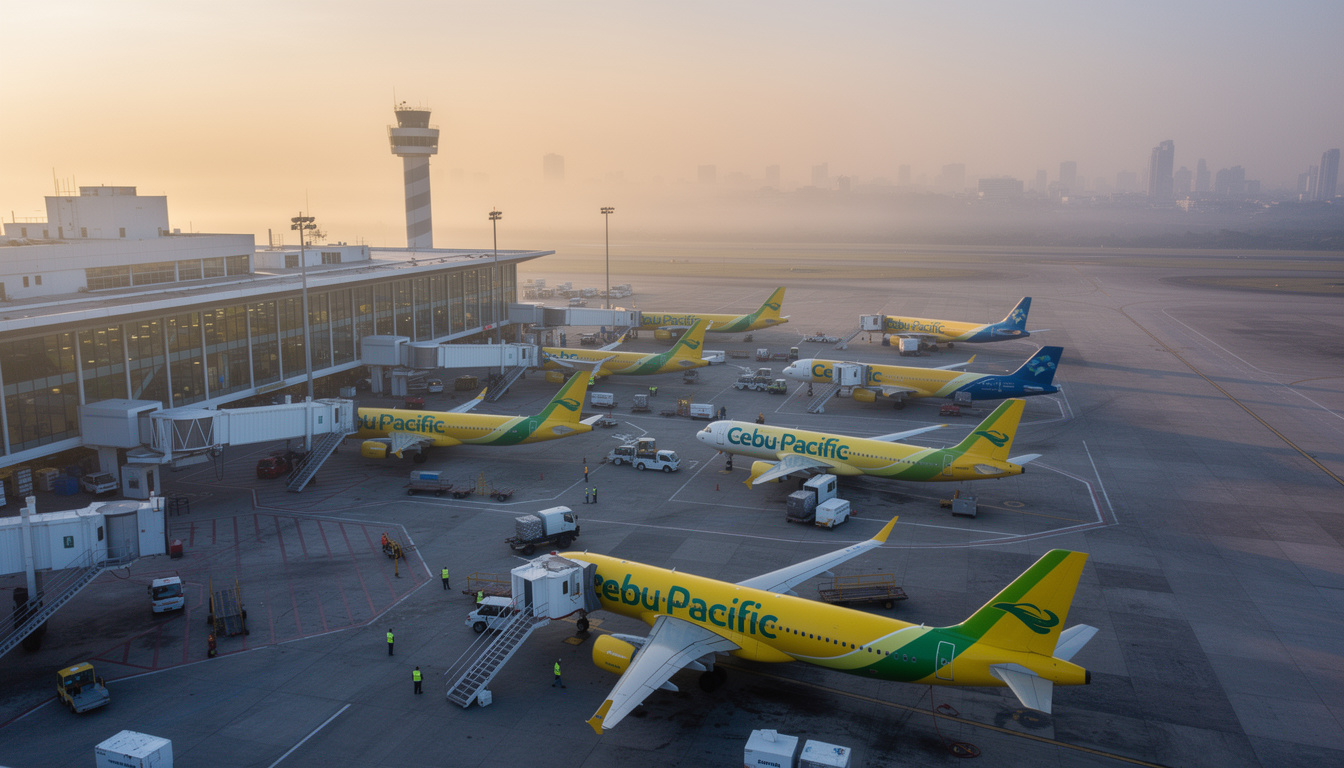
Cebu (Mactan-Cebu International Airport, CEB) is the Philippines' second international hub, serving European and Middle Eastern connections via Singapore, Kuala Lumpur, and Gulf hubs, and operating as the primary domestic hub for Visayas and Mindanao routes. From Cebu, direct domestic flights connect to Siargao (IAO), Tagbilaran/Bohol (TAG), El Nido (ENI), Batanes (BSO), and the major Mindanao airports. For GCC, UK, and European travelers flying into the Philippines, routing into Cebu rather than Manila is worth checking: it eliminates the Manila transit for Visayas-focused trips and often saves both time and a domestic connection.
Small Airport Constraints: El Nido and Caticlan
Two of the Philippines' most popular island destinations have small airports that carry operational constraints worth knowing. El Nido Airport (ENI) in Palawan operates propeller aircraft only, typically 19-seat or 72-seat turboprops. Flights from Manila take approximately 1 hour 20 to 25 minutes. Seat inventory is genuinely limited; El Nido route seats sell out months in advance during peak season (November to May). Travelers who assume they can book a Manila to El Nido domestic flight two to four weeks before travel in December or January will frequently find no availability at any price.
Caticlan Airport (MPH), the gateway to Boracay, handles direct routes from Manila (approximately 1 hour), Cebu, and a small number of other domestic cities. Caticlan airport's runway is short, limiting it to smaller aircraft. Cebu Pacific and Air Juan are the primary operators. Note: Caticlan is not the same as Kalibo (KLO), a larger airport approximately 70 km from Boracay used by flights from Manila and some international charters. Kalibo has more seat availability but adds approximately 2 hours of road and boat transfer to the Boracay journey.
Ferries and Boats: Where They Work and Where They Don't
Ferries are the correct mode of transport for specific island corridors: Cebu to Bohol (OceanJet fast ferry, approximately 2 hours), Coron to El Nido (island-hopping boat or scheduled ferry, approximately 4 to 8 hours), and Caticlan pier to Boracay (pump boat, approximately 10 to 15 minutes from the pier once you arrive at Caticlan).
RORO (roll-on, roll-off) ferries operated by 2GO and other carriers connect major island groups and are used by long-term travelers and domestic passengers for overnight routes, but journey times (12 to 24 hours for some routes) make them impractical for most international visitors' itineraries.
Where ferries do not save time: between major island groups separated by open Pacific water, Manila to Palawan, Manila to Visayas, Cebu to Siargao. These corridors are domestic flight territory. Anyone planning to use ferries between these city pairs is building a significantly slower itinerary than the domestic flight option offers for a small price premium.
Domestic Flight Booking Timelines
The single most consistent planning failure in Philippines itineraries is late domestic flight booking. Cebu Pacific and Philippine Airlines, the two primary domestic carriers, offer their lowest prices with the longest advance purchase windows, and popular routes to El Nido, Siargao, and Caticlan during November to May peak season fill months in advance.
Practical guidance: book El Nido and Siargao domestic flights first when building any Philippines itinerary, these fill fastest. November to January bookings: book domestic legs 3 to 5 months in advance if firm dates are set. Shoulder season (June to October): 4 to 6 weeks advance booking is typically sufficient, but earlier always yields lower prices. Budget for domestic flight costs separately from daily spend; they are a fixed, non-negotiable cost line that does not yield to savings on meals or accommodation.
How Many Islands Can You Actually Visit?
This is the question that most Philippines planning guides either avoid or answer vaguely. The table below gives honest upper limits for each duration, based on what produces a trip that feels complete rather than exhausted.
| Duration | Realistic Island/Destination Count | Recommended Approach |
|---|---|---|
| 7 days | 1 to 2 destinations | One primary island (Palawan or Bohol/Cebu loop) with depth; 2 destinations maximum if they are close (e.g., Cebu + Bohol, connected by ferry) |
| 10 days | 2 to 3 destinations | Two primary islands with depth plus one short add-on; classic routing: Manila arrival → 2 destinations → Manila depart |
| 14 days | 3 to 4 destinations | Three destinations comfortably; 4 only if one is a quick 2-night stop (e.g., Manila transit + culture) and the others have proper dwell time |
| 21 days | 4 to 5 destinations | The trip length where adding Banaue or Batanes to a Palawan + Visayas itinerary becomes realistic without compression |
The Rule That Prevents Bad Itineraries
Every domestic flight eats half a day. An itinerary with four domestic flight legs has approximately two full days consumed by airport transfers, check-in, and post-arrival orientation. That is two days not spent on a beach, in the water, or on a hiking trail. Each new island added to an itinerary should be evaluated against the question: is the experience of this destination worth half a day of transit both ways?
7-Day Limit: Cebu + Bohol Is the Best Option
A 7-day Philippines trip should make no attempt to include Palawan, Siargao, or northern Luzon. The Cebu to Bohol combination, connected by a 2-hour OceanJet ferry, no domestic flight required, is the only multi-island combination that delivers genuine variety without giving up time to transit. A 7-day solo Palawan (El Nido to Coron) itinerary is an equally strong option if marine scenery and island hopping are the primary interest.
10-Day Limit: Two Primary Islands, One Domestic Flight Each Way
The 10-day Philippines trip works cleanest as a two-island routing with one domestic flight at the start and one at the end: fly into Palawan (El Nido), island hop south to Coron, fly Coron to Manila, depart. Or: fly Manila to Siargao, complete the island circuit, fly Siargao to Cebu, finish with the Bohol loop, depart through Cebu. The critical variable for 10-day trips is keeping the Manila transit to a single night maximum.
14-Day Ceiling: Three Islands is the Practical Optimum
Fourteen days allows three well-paced destinations or two destinations with meaningful depth. Adding Banaue or Batanes to a 14-day trip works only if both island and highland segments are designed with realistic travel days, not back-to-back arrivals. The standard error at 14 days is booking four or five destinations and arriving at each one already tired from the previous transit.
Common Planning Mistakes (and How to Avoid Each One)
Mistake 1: Ignoring the Philippines' Seasonal Complexity
The Philippines does not have a single dry season. Palawan and Boracay are at their best November to May; Siargao's surf peaks August to November; Batanes is unreliable in typhoon season (September to October) and in Amihan season (December to February). A December trip that tries to combine Siargao with Palawan is trying to combine two destinations with non-overlapping optimal windows. A specialist who maps each destination's best months against the planned travel dates prevents this before it becomes a booking.
Mistake 2: Under-Buffering Inter-Island Transfers
Budget travelers and first-timers frequently build itineraries where a ferry departure is followed immediately by an activity, or a domestic arrival at 3 PM is followed by an evening check-in at a property 2 hours away. Philippine ferry and domestic flight schedules have meaningful variance. Ferries are affected by weather; small airport departures are affected by aircraft availability. The correct buffer is one spare half-day per island transition, specifically placed before any time-sensitive activity or departure.
Mistake 3: Treating Manila as a Destination Rather Than a Hub
Manila's international terminal connects to domestic departures, but Manila itself is not a sightseeing destination that competes with the islands. The correct allocation for Manila on a first Philippines trip is a single overnight buffer, enough to absorb an international arrival, rest, and connect to a domestic morning flight. Travelers who allocate three or four Manila days on a 10-day itinerary are using destination days on a city that their own itinerary did not choose for its beaches, nature, or culture.
Mistake 4: Booking El Nido and Siargao Domestic Flights Late
Covered in the transport section above, but worth naming specifically: El Nido and Siargao are the two domestic routes most likely to be sold out for peak season dates by the time most international travelers begin thinking about booking. If these destinations are on the itinerary, their domestic flights should be booked before any accommodation, any tours, or any activities.
Mistake 5: Planning for the Islands But Not the Transfers Within Them
El Nido's island hopping tours (Tours A, B, C, D) each cover different lagoons and beaches; not all are available daily depending on conditions and boat operator schedules. Coron's lake and wreck dive circuit requires separate bookings for the Kayangan Lake tour and the dive packages. The assumption that "I'll sort out the details on arrival" works in some destinations; in El Nido during high season in December, it frequently means missing the tours with the best access because they booked out before you arrived.
Island Dropping Guide: What to Cut First if Time Gets Short
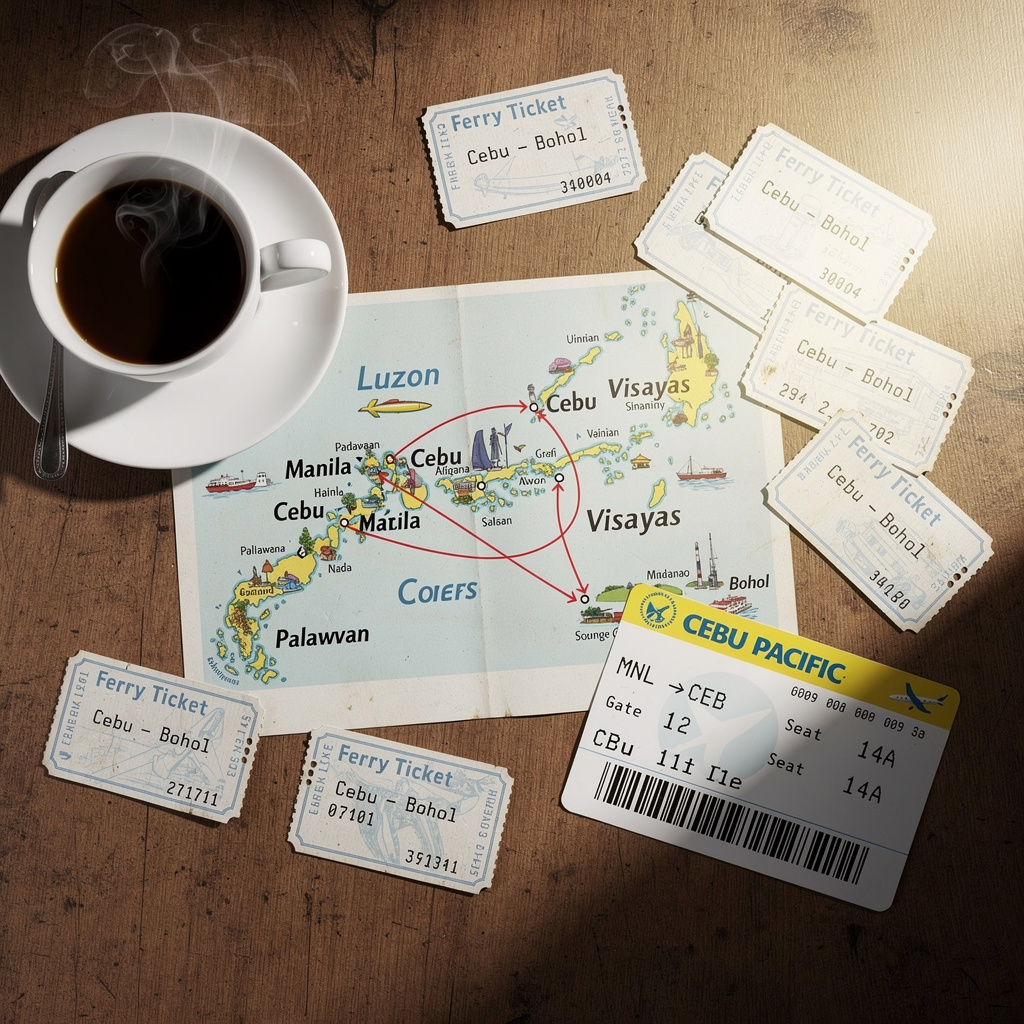
When itinerary compression is forced, a trip shortens from 14 to 10 days, a change of dates creates a scheduling conflict, this is the order in which destinations should be dropped.
Drop first (easiest to remove without regret): Boracay: genuinely beautiful but well-documented and replaceable by Palawan's beaches in most itinerary contexts; the beach experience does not offer as much uniqueness per transit investment. Manila sightseeing days beyond the transit night.
Drop second (requires more consideration): The Coron segment of a Palawan itinerary, El Nido alone is complete; Coron adds the wreck diving and lake circuit but the El Nido island hopping is self-sufficient. Sagada from a Banaue/highlands itinerary, Banaue and Batad alone deliver the core Ifugao terrace experience.
Do not drop: The Siargao to Batanes to Banaue combination. Once one of these is removed, the highlands/Pacific character of the trip disappears entirely. A buffer day on either side of a Batanes segment. The full Bohol to Cebu loop in favor of only one of the two; the loop's value is in the complementary pairing, not each island in isolation.
Philippine Visa and Entry: Quick Reference
Most international visitors to the Philippines, including citizens of the US, UK, European Union member states, Australia, Canada, and many GCC-passport holders, receive visa-free entry for 30 days on arrival, extendable by a further 29 days through the Bureau of Immigration. Pakistani citizens should check current visa requirements directly with the Philippine Embassy, as visa conditions have been subject to change. Always verify current entry requirements with an official embassy or the Philippine Bureau of Immigration before booking.
The international departure fee (terminal fee) is included in most international airline tickets but may appear as a separate charge at smaller domestic airports. Budget PHP 200 to 550 for domestic terminal fees at smaller ports.
Which Island for Which Traveler Type
The "which island should I pick" question has a short answer that most planning guides avoid giving directly.
| Traveler Profile | Primary Recommendation | Best Pairing |
|---|---|---|
| First-time, beach-focused | El Nido, Palawan | + Coron for diving; El Nido alone if short on time |
| First-time, island variety | Cebu + Bohol | Ferry connection, no domestic flight needed within the pair |
| Surf-focused | Siargao | + Cebu/Bohol for non-surf days; plan for Aug to Nov |
| Culture + highland + beach | Banaue + Palawan | 14 days minimum; Manila hub between the two |
| Most remote, distinctive | Batanes | Pair with Cebu/Bohol for island contrast; 14 days |
| Honeymoon / luxury | El Nido or Palawan luxury resorts | + Nay Palad Siargao |
Most popular Southeast Asian destinations, Thailand, Bali, Vietnam, can be effectively planned independently because transport is primarily overland, weather patterns are simple, and accommodation is abundant everywhere. The Philippines is different on all three counts: transport is mostly airborne, weather varies significantly by region and month, and accommodation in remote areas (El Nido, Siargao, Batanes) operates at limited capacity that fills months ahead of peak travel dates.
That gap, between what the Philippines can deliver and what most self-planned itineraries actually experience, is exactly where a Begovo specialist adds value. Not by adding complexity, but by removing it: a correctly sequenced routing with domestic flights booked at the right time, weather-appropriate destination pairing, and accommodation confirmed before the itinerary is presented. Ask begovo to map a Philippines itinerary around your exact dates, departure point, travel style, and budget, and to check whether the combination you have in mind actually works before anything is committed.
Continue Reading
Once you have the planning fundamentals, the next step is building the itinerary itself. The 10-day guide provides two tested routing frameworks across Palawan and Siargao or the Visayas.
10 Days in the Philippines: Two Itineraries That Actually Work
Understanding which months work for which destinations prevents the most common calendar-driven planning mistake: When Is the Best Time to Visit the Philippines?
Frequently Asked Questions
How much does a trip to the Philippines cost?
In 2026, budget travelers can manage $25 to $45 USD per day in-country for food, accommodation, and basic activities. Mid-range travelers should budget $60 to $100 per day. These figures do not include international flights or domestic inter-island flights, which are a separate cost line. A 10-day mid-range Philippines trip (excluding international flights) typically totals $800 to $1,400 USD, depending on the number of domestic flight legs and the accommodation tier chosen.
Is the Philippines more expensive than Thailand or Bali?
Day-to-day in-country costs in the Philippines are comparable to Thailand and lower than Bali in 2026. Filipino meals at local restaurants cost $2 to $5; Thai tourist-area meals run $6 to $10; Bali's Canggu and Seminyak dining runs $15 to $20. Where the Philippines costs more than it initially appears is domestic inter-island flights and cumulative environmental and activity fees at each site. Total trip cost for a multi-island Philippines itinerary is broadly comparable to a multi-island Thailand trip.
How do you get around the Philippines?
Between islands: by domestic flight or ferry, depending on the distance. Manila and Cebu are the two main hub airports from which most domestic routes originate. El Nido (Palawan) and Siargao have small airports with limited seat inventory requiring advance booking. Within islands: by hired tricycle, jeepney, motorbike, or private vehicle depending on the destination. Ferries connect short routes like Cebu to Bohol (2 hours) and the Caticlan pier to Boracay (15 minutes).
How many days should I spend in the Philippines?
The practical minimum for a meaningful Philippines trip is 7 days, which allows depth in one to two destinations. Ten days is the sweet spot for a balanced first-time trip covering two complementary destinations. Fourteen days makes it possible to include three destinations or to add a highland segment (Banaue or Batanes) alongside an island itinerary. Attempting to see more than three primary destinations in less than 14 days consistently produces trips that spend too much time in transit.
When is the best time to visit the Philippines?
The Philippines does not have a single peak season; the best time depends on which destinations are on the itinerary. Palawan, Boracay, and the Visayas are at their best December to May. Siargao's peak surf season is August to November. Batanes is most accessible March to May. The one rule that applies across all Philippines travel: check the weather pattern for each specific destination before fixing dates, rather than assuming the whole country shares the same season.
Do I need a visa to visit the Philippines?
Citizens of most Western countries, US, UK, EU, Australia, Canada, receive visa-free entry for 30 days on arrival, extendable in-country. Travelers from the GCC and Pakistan should verify current requirements with the Philippine Embassy before booking, as conditions vary. The official resource for visa information is the Philippine Bureau of Immigration.

Comments
No comments yet. Be the first to comment.
Leave a comment